LEVHI CENNET

İslam’da cennette “Rablerinden bir selam” ile karşılanma, en büyük ödüllerden biri olarak geçer.
In Islam, being greeted with "a peace from your Lord" in Paradise is considered one of the greatest rewards.
Cennet Mevsimleri – Ebedî Baharın Hüküm Sürdüğü İlahi Âlem
Dünya hayatında mevsimler değişir… Bahar gelir, ardından yaz; sonra sonbahar ve kış… Her biri ayrı bir güzellik taşır, fakat aynı zamanda geçicidir. Oysa cennet; geçiciliğin olmadığı, eksilmenin ve değişimin bulunmadığı ebedî bir yerdir.
İslam inancına göre cennet, müminler için ha
Cennet Mevsimleri – Ebedî Baharın Hüküm Sürdüğü İlahi Âlem
Dünya hayatında mevsimler değişir… Bahar gelir, ardından yaz; sonra sonbahar ve kış… Her biri ayrı bir güzellik taşır, fakat aynı zamanda geçicidir. Oysa cennet; geçiciliğin olmadığı, eksilmenin ve değişimin bulunmadığı ebedî bir yerdir.
İslam inancına göre cennet, müminler için hazırlanmış sonsuz mutluluk yurdudur ve içinde her türlü nimet en mükemmel haliyle bulunmaktadır . Bu nedenle cennetteki “mevsimler”, dünyadaki gibi sınırlı ve geçici değil; her güzelliğin aynı anda yaşandığı kusursuz bir düzenin ifadesidir.
Sürekli Bahar Hali
Cennette ne yakıcı bir sıcak vardır ne de dondurucu bir soğuk… Orada insanı rahatsız eden hiçbir iklim şartı bulunmaz. Her zaman en ideal, en huzur verici hava hâkimdir. Bu yönüyle cennet, adeta hiç bitmeyen bir bahar mevsimi gibidir.
Ağaçlar sürekli meyve verir, gölgeler eksilmez, serinlik huzur verir. Ne yaprak dökülür ne de kuraklık olur… Çünkü cennette her şey, Allah’ın rahmetiyle sürekli canlı ve tazedir.
Tüm Güzelliklerin Bir Arada Olduğu Yer
Dünya mevsimleri birbirinden ayrıdır; birinde olan diğerinde olmaz. Ancak cennette tüm güzellikler aynı anda vardır. İnsanın kalbini ferahlatan serinlik de, içini ısıtan sıcaklık da tam olması gerektiği gibidir.
Cennet ehli, istedikleri ortamı anında bulur. Dilerlerse serin gölgelerde dinlenir, dilerlerse hoş bir sıcaklıkta vakit geçirirler. Bu, cennetin kusursuz düzeninin bir parçasıdır.
Değişimin Yerine Süreklilik
Dünya hayatında mevsimlerin değişmesi bir döngüdür ve her değişim bir eksilişi de beraberinde getirir. Oysa cennette eksilme yoktur. Güzellikler azalmaz, nimetler tükenmez, huzur kesintiye uğramaz.
Bu nedenle cennet mevsimleri; değişimin değil, sürekliliğin ve mükemmelliğin sembolüdür.
Ruhun Dinlendiği İklim
Cennet sadece bedenin değil, ruhun da huzur bulduğu bir yerdir. Oradaki iklim; kalbi ferahlatan, insanı yormayan ve sürekli mutluluk veren bir ortamdır.
Ne yorgunluk vardır ne de bıkkınlık… Her an tazelenen bir huzur, her an yenilenen bir mutluluk vardır.
Bir düşün…
Dünya hayatında en sevdiğin mevsim hangisi?
Cennette sadece bir mevsim değil…
Tüm güzelliklerin en mükemmel hali seni bekliyor.
Bu sayfa, sana sadece cennetin mevsimlerini anlatmaz…
Seni, ebedî baharın hüküm sürdüğü o sonsuz yurda davet eder.
Çünkü gerçek huzur; bitmeyen güzelliklerin içinde yaşamaktır.
In Islam, being greeted with "a peace from your Lord" in Paradise is considered one of the greatest rewards.
In Islam, being greeted with "a peace from your Lord" in Paradise is considered one of the greatest rewards.
The Seasons of Paradise – The Divine Realm Where Eternal Spring Reigns
In worldly life, the seasons change… Spring comes, then summer; then autumn and winter… Each carries its own beauty, but is also temporary. Paradise, however, is an eternal place where there is no transience, no diminishment, and no change.
According to Islamic belief, P
The Seasons of Paradise – The Divine Realm Where Eternal Spring Reigns
In worldly life, the seasons change… Spring comes, then summer; then autumn and winter… Each carries its own beauty, but is also temporary. Paradise, however, is an eternal place where there is no transience, no diminishment, and no change.
According to Islamic belief, Paradise is the abode of eternal happiness prepared for believers, and within it, every kind of blessing is found in its most perfect form. Therefore, the "seasons" in Paradise are not limited and temporary like in the world; they are an expression of a flawless order where every beauty is experienced simultaneously.
A State of Perpetual Spring
In Paradise, there is neither scorching heat nor freezing cold… There are no climate conditions that disturb a person. The most ideal, most peaceful weather always prevails. In this respect, Paradise is like a never-ending spring season.
Trees constantly bear fruit, shade never diminishes, and coolness brings peace. Neither leaves fall nor drought occurs… Because in Paradise, everything is constantly alive and fresh with the mercy of God.
A Place Where All Beauties Exist Together
The seasons of the world are separate; what exists in one is not present in another. However, in Paradise, all beauties exist simultaneously. The coolness that refreshes the heart and the warmth that warms the soul are exactly as they should be.
The inhabitants of Paradise instantly find the environment they desire. If they wish, they can rest in cool shade, or they can spend time in pleasant warmth. This is part of Paradise's perfect order.
Continuity Instead of Change
In worldly life, the changing seasons are a cycle, and every change brings a decrease. However, in Paradise, there is no decrease. Beauties do not diminish, blessings do not run out, and peace is not interrupted.
Therefore, the seasons of Paradise are a symbol of continuity and perfection, not change.
A Climate Where the Soul Rests
Paradise is a place where not only the body but also the soul finds peace. The climate there is… It is an environment that soothes the heart, doesn't tire the soul, and constantly brings happiness.
There is neither weariness nor boredom… There is a constantly renewed peace, a constantly renewed happiness.
Think about it…
Which season is your favorite in this world?
In Paradise, it's not just one season…
The most perfect form of all beauties awaits you.
This page doesn't just tell you about the seasons of Paradise…
It invites you to that eternal home where eternal spring reigns.
Because true peace is to live amidst unending beauty.
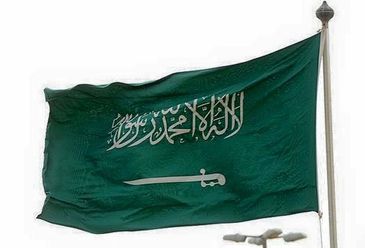
في الإسلام، يُعتبر استقبال "سلام من ربك" في الجنة من أعظم المكافآت.
في الإسلام، يُعتبر استقبال "سلام من ربك" في الجنة من أعظم المكافآت.
فصول الجنة - عالم إلهي يسوده ربيع دائم
في الحياة الدنيا، تتغير الفصول... يأتي الربيع، ثم الصيف، ثم الخريف والشتاء... لكل فصل جماله الخاص، ولكنه زائل. أما الجنة، فهي مكان أبدي لا زوال فيه ولا نقصان ولا تغيير.
بحسب المعتقد الإسلامي، الجنة هي دار السعادة الأبدية المُعدّة للمؤمنين، وفيها تتجلى كل أنواع النعم في أبهى صورها. لذا، فإن "فصول" الجنة
فصول الجنة - عالم إلهي يسوده ربيع دائم
في الحياة الدنيا، تتغير الفصول... يأتي الربيع، ثم الصيف، ثم الخريف والشتاء... لكل فصل جماله الخاص، ولكنه زائل. أما الجنة، فهي مكان أبدي لا زوال فيه ولا نقصان ولا تغيير.
بحسب المعتقد الإسلامي، الجنة هي دار السعادة الأبدية المُعدّة للمؤمنين، وفيها تتجلى كل أنواع النعم في أبهى صورها. لذا، فإن "فصول" الجنة ليست محدودة وزائلة كما في الدنيا، بل هي تعبير عن نظام بديع تُعاش فيه كل مظاهر الجمال في آن واحد.
حالة ربيع دائم
في الجنة، لا حرّ لافح ولا برد قارس... لا توجد ظروف مناخية تُزعج الإنسان. يسودها دائمًا جوٌّ مثاليٌّ وهادئ. وبهذا، تُشبه الجنة فصل ربيع دائم.
الأشجار تُثمر باستمرار، والظل لا ينقطع، والبرودة تجلب السكينة. لا تتساقط الأوراق ولا يحدث جفاف... لأن في الجنة، كل شيء حيٌّ ونضرٌّ برحمة الله.
مكانٌ تجتمع فيه كل مظاهر الجمال
فصول الدنيا منفصلة؛ فما يوجد في فصلٍ لا يوجد في فصلٍ آخر. أما في الجنة، فتجتمع كل مظاهر الجمال في آنٍ واحد. البرودة التي تُنعش القلب والدفء الذي يُدفئ الروح هما في أوج انسجامهما.
يجد سكان الجنة البيئة التي يرغبون بها فورًا. إن شاؤوا، يُمكنهم الاستراحة في الظل البارد، أو قضاء الوقت في الدفء المُريح. هذا جزءٌ من نظام الجنة المُتكامل.
استمراريةٌ لا تغيير
في الحياة الدنيا، تُشكل الفصول المُتغيرة دورةً، وكل تغييرٍ يُؤدي إلى نقصٍ ما. أما في الجنة، فلا نقصان. الجمال لا يتلاشى، والنعم لا تنضب، والسكينة لا تنقطع.
لذلك، فإن فصول الجنة رمزٌ للاستمرارية والكمال، لا للتغيير.
مناخٌ يريح الروح
الجنة مكانٌ لا يجد فيه الجسدُ السلامَ فحسب، بل الروحُ أيضًا. مناخُها... بيئةٌ تُريحُ القلبَ، ولا تُرهقُ الروحَ، وتُفيضُ بالسعادةِ دائمًا.
لا تعبَ ولا ملل... بل سلامٌ متجددٌ باستمرار، وسعادةٌ متجددةٌ باستمرار.
فكّر في الأمر... ما هو فصلُك المُفضّل في هذا العالم؟
في الجنة، ليس فصلًا واحدًا فقط... أروعُ صور الجمال بانتظارك.
لا تُخبرك هذه الصفحة عن فصولِ الجنة فحسب... بل تدعوك إلى ذلك الموطنِ الأبديّ حيثُ يسودُ الربيعُ الدائم.
لأنّ السلامَ الحقيقيّ هو العيشُ وسطَ جمالٍ لا ينضب.
Cennet Mevsimleri - Seasons of Paradise - مواسم الجنة

Cumhuriyeti - Republic - جمهورية
Halki - People -الناس
Laiki - Secular - علماني
Milliyeti - Nationality - جنسية
Devleti - State - ولاية
İnkilabi - Revolution - ثورة
Hazreti Kur'an - The Holy Quran - القرآن الكريم
Dışlanmış şeytandan Allah'a sığınırım...Rahman ve Rahim olan Allah'ın adıyla
I seek refuge in Allah from the accursed Satan... In the name of Allah, the Most Gracious, the Most Merciful.
1 . Elif, Lam, Ra. Ve La İlahe...İl Allah...Hakk Muhammed Halilullah. Bunlar, hikmetli Kitab'ın ayetleridir. Ve La İlahe...İl Allah...Hakk Muhammed Halilullah.2 . İçlerinden bir adama: "İnsanları uyar ve iman edenlere, muhakkak kendileri için Rableri Katında 'gerçek bir makam' olduğunu müjde ver" diye vahyetmemiz, insanlara şaşırtıcı mı
1 . Elif, Lam, Ra. Ve La İlahe...İl Allah...Hakk Muhammed Halilullah. Bunlar, hikmetli Kitab'ın ayetleridir. Ve La İlahe...İl Allah...Hakk Muhammed Halilullah.2 . İçlerinden bir adama: "İnsanları uyar ve iman edenlere, muhakkak kendileri için Rableri Katında 'gerçek bir makam' olduğunu müjde ver" diye vahyetmemiz, insanlara şaşırtıcı mı geldi? İnkar edenler: "Gerçekten bu, açıkça bir büyücüdür" dediler. Ve La İlahe...İl Allah...Hakk Muhammed Halilullah.3 . Şüphesiz sizin Rabbiniz, altı günde gökleri ve yeri yaratan, sonra arşa istiva eden, işleri evirip-çeviren Allah'tır. O'nun izni olmadıktan sonra, hiç kimse şefaatçi olamaz. İşte Rabbiniz olan Allah budur, öyleyse O'na kulluk edin. Yine de öğüt alıp düşünmeyecek misiniz? Ve La İlahe...İl Allah...Hakk Muhammed Halilullah.4 . Sizin tümünüzün dönüşü O'nadır. Allah'ın va'di bir gerçektir. İman edip salih amellerde bulunanlara, adaletle karşılık vermek için yaratmayı başlatan, sonra onu iade edecek olan O'dur. İnkar edenler ise, küfürleri dolayısıyla, onlar için kaynar sudan bir içki ve acı bir azap vardır. Ve La İlahe...İl Allah...Hakk Muhammed Halilullah.5 . Güneş'i bir aydınlık, Ay'ı bir nur kılan ve yılların sayısını ve hesabı bilmeniz için ona duraklar tespit eden O'dur. Allah, bunları ancak hak ile yaratmıştır. O, bilen bir topluluk için ayetleri böyle birer birer açıklamaktadır. Ve La İlahe...İl Allah...Hakk Muhammed Halilullah.6 . Gerçekten, gece ile gündüzün art arda gelişinde ve Allah'ın göklerde ve yerde yarattığı şeylerde korkup-sakınan bir topluluk için elbette ayetler vardır. Ve La İlahe...İl Allah...Hakk Muhammed Halilullah.7 . Bizimle karşılaşmayı ummayanlar, dünya hayatına razı olanlar ve bununla tatmin olanlar ve Bizim ayetlerimizden habersiz olanlar; Ve La İlahe...İl Allah...Hakk Muhammed Halilullah.8 . İşte bunların, kazandıkları dolayısıyla barınma yerleri ateştir. Ve La İlahe...İl Allah...Hakk Muhammed Halilullah.9 . İman edenler ve salih amellerde bulunanlar da, Rableri onları imanları dolayısıyla altından ırmaklar akan, nimetlerle donatılmış cennetlere yöneltip-iletir (hidayet eder). Ve La İlahe...İl Allah...Hakk Muhammed Halilullah.10 . Oradaki duaları: "Allah'ım, Sen ne Yücesin"dir ve oradaki dirlik temennileri: "Selam"dır; dualarının sonu da: "Gerçekten, hamd alemlerin Rabbi olan Allah'ındır." Ve La İlahe...İl Allah...Hakk Muhammed Halilullah.11 . Eğer Allah, onların hayra ulaşmak için çarçabuk davrandıkları gibi, insanlara şerri de çabuklaştırsaydı, mutlaka ecellerine hüküm verilirdi. İşte Bize kavuşmayı ummayanları Biz böylece taşkınlıkları içinde şaşkınca dolaşır bir durumda bırakırız. Ve La İlahe...İl Allah...Hakk Muhammed Halilullah.12 . İnsana bir zarar dokunduğunda, yan yatarken, otururken ya da ayaktayken Bize dua eder; zararını üstünden kaldırdığımız zaman ise, sanki kendisine dokunan zarara Bizi hiç çağırmamış gibi döner-gider. İşte, ölçüyü taşıranlara yapmakta oldukları böyle süslenmiştir. Ve La İlahe...İl Allah...Hakk Muhammed Halilullah.13 . Andolsun, sizden önceki nesilleri, resulleri kendilerine apaçık deliller getirdiği halde, zulmettikleri ve iman etmeyecek oldukları için yıkıma uğrattık. İşte Biz, suçlu-günahkar olan bir topluluğu böyle cezalandırırız. Ve La İlahe...İl Allah...Hakk Muhammed Halilullah.14 . Sonra, nasıl yapıp-davranacaksınız diye gözlemek için, onların ardından sizi yeryüzünde halifeler kıldık. Ve La İlahe...İl Allah...Hakk Muhammed Halilullah.15 . Onlara ayetlerimiz apaçık belgeler olarak okunduğunda, Bizimle karşılaşmayı ummayanlar, derler ki: "Bundan başka bir Kur'an getir veya onu değiştir." De ki: "Benim onu kendi nefsimin bir öngörmesi olarak değiştirmem benim için olacak şey değildir. Ben, yalnızca bana vahyolunana uyarım. Eğer Rabbime isyan edersem, gerçekten ben, büyük günün azabından korkarım." Ve La İlahe...İl Allah...Hakk Muhammed Halilullah.16 . De ki: "Eğer Allah dileseydi, onu size okumazdım ve onu size bildirmezdi. Ben ondan önce sizin içinizde bir ömür sürdüm. Siz yine de akıl erdirmeyecek misiniz?" Ve La İlahe...İl Allah...Hakk Muhammed Halilullah.17 . Allah'a karşı yalan uydurup iftira düzenden ve O'nun ayetlerini yalanlayandan daha zalim kimdir? Şüphesiz O, suçlu-günahkarları kurtuluşa erdirmez. Ve La İlahe...İl Allah...Hakk Muhammed Halilullah.18 . Allah'ı bırakıp kendilerine zarar vermeyecek ve yararları dokunmayacak şeylere kulluk ederler ve: "Bunlar Allah Katında bizim şefaatçilerimizdir" derler. De ki: "Siz, Allah'a, göklerde ve yerde bilmediği bir şey mi haber veriyorsunuz? O, sizin şirk koştuklarınızdan uzak ve Yücedir." Ve La İlahe...İl Allah...Hakk Muhammed Halilullah.19 . İnsanlar, tek bir ümmetten başka değildi; sonra anlaşmazlığa düştüler. Eğer Rabbinden geçmiş (verilmiş) bir söz olmasaydı, anlaşmazlığa düştükleri şey konusunda mutlaka aralarında hüküm verilmiş olurdu. Ve La İlahe...İl Allah...Hakk Muhammed Halilullah.20 . Bir de derler ki: "Rabbinden üzerine bir ayet (mucize) indirilse ya!.." De ki: "Gayb yalnızca Allah'ındır, siz bekleyedurun; ben de sizlerle birlikte bekleyenlerdenim." Ve La İlahe...İl Allah...Hakk Muhammed Halilullah.21 . İnsanlara, şiddetli bir sıkıntı dokunduktan sonra, bir rahmet dokundurduğumuz zaman, ayetlerimiz konusunda hileli bir düzen kurmak (bir entrika çevirmek) onlar için (bir alışkanlık ve kötü bir edinim)dir. De ki: "Düzen kurmada (karşılık vermede) Allah daha hızlıdır. Şüphesiz, Bizim elçilerimiz, sizin 'geliştirmekte olduğunuz düzenleri' yazmaktadırlar." Ve La İlahe...İl Allah...Hakk Muhammed Halilullah.22 . Karada ve denizde sizi gezdiren O'dur. Öyle ki siz gemide bulunduğunuz zaman, onlar da güzel bir rüzgarla onu yüzdürürlerken ve (tam) bununla sevinmektelerken, ona çılgınca bir rüzgar gelip çatar ve her yandan dalgalar onları kuşatır; onlar artık bu (dalgalarla) gerçekten kuşatıldıklarını sanmışlarken, dinde O'na 'gönülden katıksız bağlılar (muhlisler)' olarak Allah'a dua etmeye başlarlar: "Andolsun eğer bundan bizi kurtaracak olursan, muhakkak Sana şükredenlerden olacağız." Ve La İlahe...İl Allah...Hakk Muhammed Halilullah.23 . Ama (Allah) onları kurtarınca, hemen haksız yere, yeryüzünde taşkınlığa koyulurlar. Ey insanlar, sizin taşkınlığınız, ancak kendi aleyhinizedir; (bu) dünya hayatının geçici metaıdır. Sonra dönüşünüz Bizedir, Biz de yaptıklarınızı size haber vereceğiz. Ve La İlahe...İl Allah...Hakk Muhammed Halilullah.24 . Dünya hayatının örneği, ancak gökten indirdiğimiz, onunla insanların ve hayvanların yediği yeryüzünün bitkisi karışmış olan bir su gibidir. Öyle ki yer, güzelliğini takınıp süslendiği ve ahalisi gerçekten ona güç yetirdiklerini sanmışlarken (işte tam bu sırada) gece veya gündüz ona emrimiz gelmiştir de, dün sanki hiçbir zenginliği yokmuş gibi, onu kökünden biçilip atılmış bir durumda kılmışız. Düşünen bir topluluk için Biz ayetleri böyle birer birer açıklarız. Ve La İlahe...İl Allah...Hakk Muhammed Halilullah.25 . Allah barış yurduna çağırır ve kimi dilerse dosdoğru yola yöneltip-iletir. Ve La İlahe...İl Allah...Hakk Muhammed Halilullah.26 . Güzellik yapanlara daha güzeli ve fazlası vardır. Onların yüzlerini ne bir karartı sarar, ne bir zillet, işte onlar cennetin halkıdırlar; orada süresiz kalacaklardır. Ve La İlahe...İl Allah...Hakk Muhammed Halilullah.27 . Kötülükler kazanmış olanlar ise; her bir kötülüğün karşılığı, kendi misliyledir. Bunları bir zillet sarıp kaplar. Onları Allah'tan (kurtaracak) hiçbir koruyucu yok. Onların yüzleri, sanki bir karanlık gecenin parçalarına bürünmüş gibidir. İşte bunlar ateşin halkıdırlar; orada süresiz kalacaklardır. Ve La İlahe...İl Allah...Hakk Muhammed Halilullah.28 . O gün, onların tümünü birarada toplayacağız, sonra şirk katanlara: "Yerinizden ayrılmayınız; siz de, şirk koştuklarınız da" diyeceğiz. Artık onların arasını açmışızdır. Şirk koştukları derler ki: "Siz bize ibadet ediyor değildiniz." Ve La İlahe...İl Allah...Hakk Muhammed Halilullah.29 . "Bizim ile sizin aranızda şahid olarak Allah yeter. Gerçekten biz, sizin ibadetinizden habersizdik." Ve La İlahe...İl Allah...Hakk Muhammed Halilullah.30 . İşte orada, her nefis önceden yaptıklarıyla imtihana çekilmiş olacak ve onlar asıl-gerçek mevlaları olan Allah'a döndürülecekler. Yalan yere uydurdukları da, kendilerinden kaybolup uzaklaşacaklar. Ve La İlahe...İl Allah...Hakk Muhammed Halilullah.31 . De ki: "Göklerden ve yerden sizlere rızık veren kimdir? Kulaklara ve gözlere malik olan kimdir? Diriyi ölüden çıkaran ve ölüyü diriden çıkaran kimdir? Ve işleri evirip-çeviren kimdir? Onlar: "Allah" diyeceklerdir. Öyleyse de ki: "Peki siz yine de korkup-sakınmayacak mısınız? Ve La İlahe...İl Allah...Hakk Muhammed Halilullah.32 . İşte bu, sizin gerçek Rabbiniz olan Allah'tır. Öyleyse haktan sonra sapıklıktan başka ne var? Peki, nasıl hala çevriliyorsunuz? Ve La İlahe...İl Allah...Hakk Muhammed Halilullah.33 . Böylece Rabbinin sözü o fasık kimseler üzerinde (şöyle) gerçekleşmiştir ki: "Onlar şüphesiz iman etmezler." Ve La İlahe...İl Allah...Hakk Muhammed Halilullah.34 . De ki: "Sizin şirk koştuklarınızdan ilk kez yaratacak, sonra onu iade edecek olan var mı?" De ki: "Allah yaratmayı (ilkin) başlatır, sonra onu iade eder. Öyleyse nasıl çevriliyorsunuz?" Ve La İlahe...İl Allah...Hakk Muhammed Halilullah.35 . De ki: "Sizin şirk koştuklarınızdan hakka ulaştırabilecek var mı?" De ki: "Hakka ulaştıracak Allah'tır. Öyleyse, hakka ulaştıran mı uyulmaya daha hak sahibidir, yoksa doğru yola ulaştırılmadıkça kendisi hidayete ulaşmayan mı? Ne oluyor size? Nasıl hükmediyorsunuz?" Ve La İlahe...İl Allah...Hakk Muhammed Halilullah.
36 . Onların çoğunluğu zandan başkasına uymaz. Gerçekten zan ise, haktan hiçbir şeyi sağlayamaz. Şüphesiz Allah, onların işlemekte olduklarını bilendir. Ve La İlahe...İl Allah...Hakk Muhammed Halilullah.37 . Bu Kur'an, Allah'tan başkası tarafından yalan olarak uydurulmuş değildir. Ancak bu, önündekileri doğrulayan ve kitabı ayrıntılı olarak açıklayandır. Bunda hiç şüphe yoktur, alemlerin Rabbindendir. Ve La İlahe...İl Allah...Hakk Muhammed Halilullah.38 . Yoksa: "Bunu kendisi yalan olarak uydurdu" mu diyorlar? De ki: "Bunun benzeri olan bir sûre getirin ve eğer gerçekten doğru sözlüyseniz Allah'tan başka çağırabildiklerinizi çağırın." Ve La İlahe...İl Allah...Hakk Muhammed Halilullah.39 . Hayır, onlar ilmini kuşatamadıkları ve kendilerine henüz yorumu gelmemiş bir şeyi yalanladılar. Onlardan öncekiler de böyle yalanlamışlardı. Zulmedenlerin nasıl bir sonuca uğradıklarına bir bak. Ve La İlahe...İl Allah...Hakk Muhammed Halilullah.40 . Onlardan ona inananlar var ve ona inanmayanlar da vardır. Rabbin bozgunculuk çıkaranları daha iyi bilir. Ve La İlahe...İl Allah...Hakk Muhammed Halilullah.41 . Eğer seni yalanlarlarsa, onlara de ki: "Benim yaptıklarım benim, sizin yaptıklarınız sizindir. Siz benim yaptıklarımdan uzaksınız ve ben de sizin yaptıklarınızdan uzağım." Ve La İlahe...İl Allah...Hakk Muhammed Halilullah.42 . Onlardan seni dinleyecekler vardır. Ama hiç duymayan -sağırlara -üstelik hiç akılları ermiyorsa- sen mi duyuracaksın? Ve La İlahe...İl Allah...Hakk Muhammed Halilullah.43 . Ve sana bakacak olanlar vardır. Ama kör olanları -üstelik basiretleri de yoksa- sen mi doğru yola ulaştıracaksın? Ve La İlahe...İl Allah...Hakk Muhammed Halilullah.44 . Şüphesiz Allah, insanlara hiçbir şeyle zulmetmez. Ancak insanlar, kendi nefislerine zulmediyorlar. Ve La İlahe...İl Allah...Hakk Muhammed Halilullah.45 . Gündüzün bir saatinden başka sanki hiç ömür sürmemişler gibi onları birarada toplayacağı gün, onlar birbirlerini tanımış olacaklar. Allah'a kavuşmayı yalanlayanlar gerçekten hüsrana uğramışlardır. Onlar hidayete ermiş (kimseler) değildi. Ve La İlahe...İl Allah...Hakk Muhammed Halilullah.46 . Onlara vaadettiğimiz (azabın) bir kısmını sana gösteririz veya senin hayatına son veririz (de görmen ahirete kalır.) Onların dönüşleri Bizedir, sonra Allah işlediklerine şahiddir. Ve La İlahe...İl Allah...Hakk Muhammed Halilullah.47 . Her ümmetin bir resulü vardır. Onlara resulleri geldiği zaman, aralarında adaletle hüküm verilir ve onlar zulme uğratılmazlar. Ve La İlahe...İl Allah...Hakk Muhammed Halilullah.48 . Derler ki: "Eğer doğru sözlüyseniz, bu belirttiğiniz süre (va'd) ne zamanmış?" Ve La İlahe...İl Allah...Hakk Muhammed Halilullah.49 . De ki: "Allah'ın dilemesi dışında, kendim için zarardan ve yarardan (hiçbir şeye) malik değilim. Her ümmetin bir eceli vardır. Onların ecelleri gelince, artık ne bir saat ertelenebilirler, ne öne alınabilirler. Ve La İlahe...İl Allah...Hakk Muhammed Halilullah.50 . De ki: "Düşündünüz mü hiç, eğer O'nun azabı size gece veya gündüz gelirse, suçlu-günahkarlar, bunu ne diye erkene almak istiyorlar?" Ve La İlahe...İl Allah...Hakk Muhammed Halilullah.51 . Gerçekleştikten sonra mı O'na iman edeceksiniz? Hemen şimdi mi? Oysa siz, onun (azabın) erkence gelmesini istiyordunuz. Ve La İlahe...İl Allah...Hakk Muhammed Halilullah.52 . Sonra o zulmetmekte olanlara: "Sürekli azabı tadın" denilecek. Kazandıklarınız dışında, bir başka şeyle mi cezalandırılacaktınız?" Ve La İlahe...İl Allah...Hakk Muhammed Halilullah.53 . "Bu bir gerçek mi?" diye senden haber soracaklar. De ki: "Evet, Rabbime andolsun ki, şüphesiz gerçektir ve sizler aciz bırakacak değilsiniz." Ve La İlahe...İl Allah...Hakk Muhammed Halilullah.54 . Zulmeden her nefis, yeryüzündekilerin tümüne sahip olsa bunu (azaba karşılık) mutlaka fidye olarak verirdi. Onlar azabı görünce pişmanlıklarını gizlerler, oysa onlar haksızlığa uğratılmadan aralarında adaletle hükmedilmiştir. Ve La İlahe...İl Allah...Hakk Muhammed Halilullah.55 . Haberin olsun, göktekilerin ve yerdekilerin tümü gerçekten Allah'ındır. Haberin olsun; şüphesiz Allah'ın va'di haktır; ancak onların çoğu bilmezler. Ve La İlahe...İl Allah...Hakk Muhammed Halilullah.56 . O, diriltir ve öldürür. Ve O'na döndürüleceksiniz. Ve La İlahe...İl Allah...Hakk Muhammed Halilullah.57 . Ey insanlar, Rabbinizden size bir öğüt, sinelerde olana bir şifa ve mü'minler için bir hidayet ve rahmet geldi. Ve La İlahe...İl Allah...Hakk Muhammed Halilullah.58 . De ki: "Allah'ın bol ihsanıyla (fazlıyla) ve rahmetiyle, yalnız bunlarla sevinsinler. Bu, onların toplayıp yığmakta olduklarından hayırlıdır." Ve La İlahe...İl Allah...Hakk Muhammed Halilullah.59 . De ki: "Allah'ın sizin için indirdiği sizin bir kısmını haram ve helal kıldığınız rızıktan, haber var mı? Söyler misiniz?" De ki: "Allah mı size izin verdi, yoksa Allah hakkında yalan uydurup iftira mı ediyorsunuz?" Ve La İlahe...İl Allah...Hakk Muhammed Halilullah.60 . Allah hakkında yalan uydurup iftira edenlerin kıyamet günü zanları nedir? Şüphesiz Allah, insanlara karşı büyük ihsan (Fazl) sahibidir, ancak onların çoğu şükretmezler. Ve La İlahe...İl Allah...Hakk Muhammed Halilullah.61 . Senin içinde olduğun herhangi bir durum, onun hakkında Kur'an'dan okuduğun herhangi bir şey ve sizin işlediğiniz herhangi bir iş yoktur ki, ona (iyice) daldığınızda, Biz sizin üzerinizde şahidler durmuş olmayalım. Yerde ve gökte zerre ağırlığınca hiçbir şey Rabbinden uzakta (saklı) kalmaz. Bunun daha küçüğü de, daha büyüğü de yoktur ki, apaçık bir kitapta (kayıtlı) olmasın. Ve La İlahe...İl Allah...Hakk Muhammed Halilullah.62 . Haberiniz olsun; Allah'ın velileri, onlar için korku yoktur, mahzun da olmayacaklardır. Ve La İlahe...İl Allah...Hakk Muhammed Halilullah.63 . Onlar iman edenler ve (Allah'tan) sakınanlardır. Ve La İlahe...İl Allah...Hakk Muhammed Halilullah.64 . Müjde, dünya hayatında ve ahirette onlarındır. Allah'ın sözleri için değişiklik yoktur. İşte büyük 'kurtuluş ve mutluluk' budur. Ve La İlahe...İl Allah...Hakk Muhammed Halilullah.65 . Onların sözleri seni üzmesin. Şüphesiz 'izzet ve gücün' tümü Allah'ındır. O, işitendir, bilendir. Ve La İlahe...İl Allah...Hakk Muhammed Halilullah.66 . Haberiniz olsun; şüphesiz göklerde kim var, yerde kim var tümü Allah'ındır. Allah'tan başkasına tapanlar bile, şirk koştukları varlıklara ve güçlere (gerçekte) uymazlar. Onlar yalnızca bir zanna uyarlar ve onlar ancak 'zan ve tahminde bulunarak yalan söylemektedirler.' Ve La İlahe...İl Allah...Hakk Muhammed Halilullah.67 . O, dinlenmeniz için geceyi, gündüzü de aydınlatıcı (mubsir) olarak sizin için yaratmıştır. Şüphesiz işitebilen bir topluluk için bunda gerçekten ayetler vardır. Ve La İlahe...İl Allah...Hakk Muhammed Halilullah.68 . "Allah çocuk edindi" dediler. O, (bundan) Yücedir; O, hiçbir şeye ihtiyacı olmayandır. Göklerde ve yerde ne varsa O'nundur. Kendinizde buna ilişkin bir delil de yoktur. Allah'a karşı bilmeyeceğiniz bir şeyi mi söylüyorsunuz? Ve La İlahe...İl Allah...Hakk Muhammed Halilullah.69 . De ki: "Allah hakkında yalan uydurup iftira edenler, kurtuluşa ermezler." Ve La İlahe...İl Allah...Hakk Muhammed Halilullah.70 . (Onlar için) Dünyada geçici bir meta (vardır). Sonra dönüşleri Bizedir; sonra da inkara sapışları dolayısıyla onlara şiddetli azabı taddıracağız. Ve La İlahe...İl Allah...Hakk Muhammed Halilullah.71 . Onlara Nuh'un haberini oku. Hani kavmine demişti ki: "Ey kavmim, benim makamım ve Allah'ın ayetleriyle hatırlatmalarım eğer size ağır geliyorsa ben, şüphesiz Allah'a tevekkül etmişim. Artık siz ortaklarınızla toplanıp yapacağınız işi karara bağlayın da işiniz size örtülü kalmasın (veya tasa konusu olmasın), sonra hakkımdaki hükmünüzü -bana süre tanımaksızın- verin. Ve La İlahe...İl Allah...Hakk Muhammed Halilullah.72 . Eğer yüz çevirecek olursanız, ben sizden bir karşılık istemedim. Benim ecrim, yalnızca Allah'a aittir. Ve ben, Müslümanlardan olmakla emrolundum. Ve La İlahe...İl Allah...Hakk Muhammed Halilullah.73 . Fakat onu yalanladılar; Biz de onu ve gemide onunla birlikte olanları kurtardık ve onları halifeler kıldık. Ayetlerimizi yalanlayanları da suda boğduk. Uyarılanların nasıl bir sonuca uğratıldıklarına bir bak. Ve La İlahe...İl Allah...Hakk Muhammed Halilullah.74 . Sonra onun ardından kendi kavimlerine (başka) elçiler gönderdik; onlara apaçık belgeler getirmişlerdi. Ama daha önce onu yalanlamaları nedeniyle inanmadılar. İşte Biz, haddi aşanların kalplerini böyle mühürleriz. Ve La İlahe...İl Allah...Hakk Muhammed Halilullah.75 . Sonra bunların ardından Firavun'a ve onun önde gelen çevresine Musa'yı ve Harun'u ayetlerimizle gönderdik. Fakat onlar büyüklendiler. Onlar suçlu-günahkar bir kavimdi. Ve La İlahe...İl Allah...Hakk Muhammed Halilullah.76 . Onlara Katımız'dan hak geldiği zaman, dediler ki: "Bu, kuşkusuz apaçık bir büyüdür." Ve La İlahe...İl Allah...Hakk Muhammed Halilullah.77 . Musa: "Size hak geldiğinde (böyle) mi söylersiniz? Bu bir büyü müdür? Oysa büyücüler, kurtuluşa ermezler" dedi. Ve La İlahe...İl Allah...Hakk Muhammed Halilullah.78 . Onlar: "Siz ikiniz, bizi atalarımızı üzerinde bulduğumuz (yol)dan çevirmek ve yeryüzünde büyüklük sizin olsun diye mi bize geldiniz? Biz, sizin ikinize inanacak değiliz" dediler. Ve La İlahe...İl Allah...Hakk Muhammed Halilullah.79 . Firavun: "Bana bütün bilgin büyücüleri getirin" dedi. Ve La İlahe...İl Allah...Hakk Muhammed Halilullah.80 . Büyücüler geldiğinde Musa: "Atacağınız şeyleri atın" dedi. Ve La İlahe...İl Allah...Hakk Muhammed Halilullah.81 . Onlar atınca, Musa dedi ki: "Sizlerin (ortaya) getirdiğiniz büyüdür. Doğrusu Allah onu geçersiz kılacaktır. Şüphesiz Allah, bozgunculuk çıkaranların işini düzeltmez." Ve La İlahe...İl Allah...Hakk Muhammed Halilullah.82 . Allah, suçlu-günahkarlar istemese de, hakkı (hak olarak) Kendi kelimeleriyle gerçekleştirecektir. Ve La İlahe...İl Allah...Hakk Muhammed Halilullah.83 . Sonunda Musa'ya kendi kavminin bir zürriyetinden (gençlerinden) başka -Firavun ve önde gelen çevresinin kendilerini belalara çarptırmaları korkusuyla- iman eden olmadı. Çünkü Firavun, gerçekten yeryüzünde büyüklenen bir zorba ve gerçekten ölçüyü taşıranlardandı. Ve La İlahe...İl Allah...Hakk Muhammed Halilullah.84 . Musa dedi ki: "Ey kavmim, eğer siz Allah'a iman edip Müslüman olmuşsanız artık yalnızca O'na tevekkül edin." Ve La İlahe...İl Allah...Hakk Muhammed Halilullah.85 . Dediler ki: "Biz Allah'a tevekkül ettik; Rabbimiz, bizi zulmeden bir kavim için bir fitne (konusu) kılma." Ve La İlahe...İl Allah...Hakk Muhammed Halilullah.86 . "Ve bizi, kafirler topluluğundan rahmetinle kurtar." Ve La İlahe...İl Allah...Hakk Muhammed Halilullah.87 . Musa ve kardeşine (şöyle) vahyettik: "Mısır'da kavminiz için evler hazırlayın, evlerinizi namaz kılınan (ve kıbleye dönük) yerler yapın ve namazı dosdoğru kılın. Mü'minleri de müjdele." Ve La İlahe...İl Allah...Hakk Muhammed Halilullah.88 . Musa dedi ki: "Rabbimiz, şüphesiz Sen, Firavun'a ve önde gelen çevresine dünya hayatında bir çekicilik (güç, ihtişam) ve mallar verdin. Rabbimiz, Senin yolundan saptırmaları için (mi?) Rabbimiz, mallarını yerin dibine geçir ve onların kalplerinin üzerini şiddetle bağla; onlar acı azabı görecekleri zamana kadar iman etmeyecekler." Ve La İlahe...İl Allah...Hakk Muhammed Halilullah.89 . (Allah) Dedi ki: "İkinizin duası kabul olundu. Öyleyse dosdoğru yolda devam edin ve bilgisizlerin yoluna uymayın." Ve La İlahe...İl Allah...Hakk Muhammed Halilullah.90 . Biz, İsrailoğulları'nı denizden geçirdik; Firavun ve askerleri azgınlıkla ve düşmanlıkla peşlerine düştü. Sular onu boğacak düzeye erişince (Firavun): "İsrailoğulları'nın kendisine inandığı (Allah'tan) başka İlah olmadığına inandım ve ben de Müslümanlardanım" dedi. Ve La İlahe...İl Allah...Hakk Muhammed Halilullah.91 . Şimdi, öyle mi? Oysa sen önceleri isyan etmiştin ve bozgunculuk çıkaranlardandın. Ve La İlahe...İl Allah...Hakk Muhammed Halilullah.92 . Bugün ise, senden sonrakilere bir ayet (tarihi bir belge, ibret) olman için seni yalnızca bedeninle kurtaracağız (herkese cesedini göstereceğiz). Gerçekten insanlardan çoğu, Bizim ayetlerimizden habersizdirler. Ve La İlahe...İl Allah...Hakk Muhammed Halilullah.93 . Andolsun, Biz İsrailoğulları'nı, hoşlarına gidecek güzel bir yerde yerleştirdik ve temiz şeylerden kendilerine rızık verdik. Kendilerine ilim gelinceye kadar anlaşmazlığa düşmediler. Şüphesiz Rabbin, aralarında anlaşmazlığa düştükleri şey konusunda kıyamet günü hüküm verecektir. Ve La İlahe...İl Allah...Hakk Muhammed Halilullah.94 . Sana indirdiğimizden eğer kuşkudaysan, senden önce kitabı okuyanlara sor. Andolsun, Rabbinden sana gerçek gelmiştir, şu halde kuşkuya kapılanlardan olma. Ve La İlahe...İl Allah...Hakk Muhammed Halilullah.95 . Ve Allah'ın ayetlerini yalanlayanlardan olma; yoksa hüsrana uğrayanlardan olursun. Ve La İlahe...İl Allah...Hakk Muhammed Halilullah.96 . Gerçek şu ki, Rabbinin kelimesi üzerlerinde hak olanlar, onlar inanmazlar. Ve La İlahe...İl Allah...Hakk Muhammed Halilullah.97 . Onlara her ayet getirilse bile. Acı azabı görünceye kadar. Ve La İlahe...İl Allah...Hakk Muhammed Halilullah.98 . Ama (azap geldiği sırada) iman edip imanı kendisine yarar sağlamış -Yunus kavminin dışında- bir ülke olsaydı ya! Onlar iman ettikleri zaman dünya hayatında onlardan aşağılatıcı azabı kaldırdık ve onları belli bir zamana kadar yararlandırdık. Ve La İlahe...İl Allah...Hakk Muhammed Halilullah.99 . Eğer Rabbin dileseydi, yeryüzündekilerin tümü, topluca iman ederdi. Öyleyse, onlar mü'min oluncaya kadar insanları sen mi zorlayacaksın? Ve La İlahe...İl Allah...Hakk Muhammed Halilullah.100 . Allah'ın izni olmaksızın, hiç kimse için iman etme (imkanı) yoktur. O, akıl erdiremeyenlerin üzerine iğrenç bir pislik kılar. Ve La İlahe...İl Allah...Hakk Muhammed Halilullah.101 . De ki: "Göklerde ve yerde ne var? Bir bakın." İman etmeyen bir topluluğa apaçık ayetler ve uyarmalar bir şey sağlamaz. Ve La İlahe...İl Allah...Hakk Muhammed Halilullah.102 . Kendilerinden önce gelip geçmişlerin (başlarından geçen) günlerin bir benzerinden başkasını mı bekliyorlar? De ki: "Bekleyedurun. Şüphesiz ben de sizlerle birlikte bekleyenlerdenim." Ve La İlahe...İl Allah...Hakk Muhammed Halilullah.103 . Sonra Biz, elçilerimizi ve iman edenleri böyle kurtarırız; mü'minleri kurtarmamız Bizim üzerimize bir haktır. Ve La İlahe...İl Allah...Hakk Muhammed Halilullah.104 . De ki: "Ey insanlar, eğer benim dinimden yana bir kuşku içindeyseniz, ben, sizin Allah'tan başka ibadet ettiklerinize ibadet etmiyorum, ancak ben, sizin hayatınıza son verecek olan Allah'a ibadet ederim. Ben, mü'minlerden olmakla emrolundum." Ve La İlahe...İl Allah...Hakk Muhammed Halilullah.105 . Ve: "Bir muvahhid (hanif) olarak yüzünü dine doğru yönelt ve sakın müşriklerden olma," Ve La İlahe...İl Allah...Hakk Muhammed Halilullah.106 . "Allah'tan başka, sana yararı da, zararı da olmayan(ilahlar)a tapma. Eğer sen (bunun aksini) yapacak olursan, bu durumda gerçekten zulmedenlerden olursun" (diye emrolundum.) Ve La İlahe...İl Allah...Hakk Muhammed Halilullah.107 . Allah sana bir zarar dokunduracak olsa, O'ndan başka bunu senden kaldıracak yoktur. Ve eğer sana bir hayır isterse, O'nun bol fazlını geri çevirecek de yoktur. Kullarından dilediğine bundan isabet ettirir. O, bağışlayandır, esirgeyendir. Ve La İlahe...İl Allah...Hakk Muhammed Halilullah.108 . De ki: "Ey insanlar, şüphesiz size Rabbinizden hak gelmiştir. Kim hidayet bulursa, o ancak kendi nefsi için hidayet bulmuştur. Kim saparsa, o da, kendi aleyhine sapmıştır. Ben sizin üzerinizde bir vekil değilim." Ve La İlahe...İl Allah...Hakk Muhammed Halilullah.109 . Sana vahyolunana uy ve Allah hükmünü verinceye kadar sabret. O, hükmedenlerin en hayırlısıdır. Ve La İlahe...İl Allah...Hakk Muhammed Halilullahu
Allahu Ekber.
I seek refuge in Allah from the accursed Satan... In the name of Allah, the Most Gracious, the Most Merciful.
I seek refuge in Allah from the accursed Satan... In the name of Allah, the Most Gracious, the Most Merciful.
1. Alif, Lam, Ra. And La Ilaha... Il Allah... Haqq Muhammad Khalilullah. These are the verses of the wise Book. And La Ilaha... Il Allah... Haqq Muhammad Khalilullah. 2. Did it seem surprising to the people that We revealed to one of them, "Warn the people and give good tidings to those who believe that for them is a true station with the
1. Alif, Lam, Ra. And La Ilaha... Il Allah... Haqq Muhammad Khalilullah. These are the verses of the wise Book. And La Ilaha... Il Allah... Haqq Muhammad Khalilullah. 2. Did it seem surprising to the people that We revealed to one of them, "Warn the people and give good tidings to those who believe that for them is a true station with their Lord"? Those who disbelieved said, "Indeed, this is clearly a sorcerer." And La Ilaha... Il Allah... Haqq Muhammad Khalilullah. 3. Indeed, your Lord is Allah, who created the heavens and the earth in six days and then settled Himself on the Throne, managing all affairs. No one can intercede except by His permission. This is Allah, your Lord, so worship Him. Will you not then take heed and reflect? And there is no god but Allah, the Truth, Muhammad is the Friend of Allah. 4. To Him is the return of all of you. The promise of Allah is true. It is He who initiates creation to reward those who believe and do righteous deeds with justice, then He will restore it. As for those who disbelieve, for them is a drink of boiling water and a painful torment because of their disbelief. And there is no god but Allah, the Truth, Muhammad is the Friend of Allah. 5. It is He who makes the sun a light and the moon a radiance, and He sets for it stages so that you may know the number and reckoning of the years. Allah has created these only in truth. Thus He explains His signs one by one for a people who understand. And there is no god but Allah, the Truth, Muhammad is the Friend of Allah. 6. Indeed, in the alternation of night and day and in what Allah has created in the heavens and the earth are signs for a people who fear Him. And there is no god but Allah, the Truth, Muhammad is the Friend of Allah.7. Those who do not hope to meet Us, those who are content with the life of this world and are satisfied with it, and those who are unaware of Our verses; And there is no god but Allah, the Truth, Muhammad is the Friend of Allah.8. These are the ones whose abode is the Fire because of what they have earned. And there is no god but Allah, the Truth, Muhammad is the Friend of Allah.9. Those who believe and do righteous deeds, their Lord will guide them to gardens beneath which rivers flow, adorned with blessings, because of their faith. And there is no god but Allah, the Truth, Muhammad is the Friend of Allah.10. Their prayer there is: "O Allah, how exalted You are!" and their greeting there is: "Peace!" and the end of their prayer is: "Indeed, praise belongs to Allah, Lord of the worlds." And there is no god but Allah, the Truth, Muhammad is the Friend of Allah.11. If Allah were to hasten evil upon people as they hasten to good, their appointed time would surely be decreed. Thus We leave those who do not hope to meet Us wandering aimlessly in their transgression. And there is no god but Allah, the Truth, Muhammad is the Friend of Allah.12. When harm befalls a person, he calls upon Us while lying down, sitting, or standing; but when We remove the harm from him, he turns away as if he had never called upon Us when the harm befell him. Thus is what is made attractive to those who transgress. And there is no god but Allah, the Truth, Muhammad is the Friend of Allah.13. And indeed, We destroyed the generations before you because they wronged and refused to believe, even though their messengers brought them clear proofs. Thus We punish a sinful people. And there is no god but Allah, the Truth, Muhammad is the Friend of Allah.14. Then We made you successors on the earth after them, so that We might observe how you would behave. And there is no god but Allah, the Truth, Muhammad is the Friend of Allah.15 And when Our verses were recited to them as clear proofs, those who did not hope to meet Us said, "Bring another Qur'an besides this, or change it." Say, "It is not for me to change it as a matter of my own accord. I only follow what is revealed to me. If I disobey my Lord, then I will surely fear the punishment of the Great Day." And there is no god but Allah, the Truth, Muhammad is the Friend of Allah.16 Say, "If Allah had willed, I would not have recited it to you, nor would He have made it known to you. I have lived among you a lifetime before it. Will you not then understand?" And there is no god but Allah, the Truth, Muhammad is the Friend of Allah.17 Who is more unjust than one who invents lies against Allah and denies His verses? Surely He will not grant salvation to the guilty. And there is no god but Allah, the Truth, Muhammad is the Friend of Allah.18. They worship besides Allah things that can neither benefit nor harm them, and they say, "These are our intercessors with Allah." Say, "Do you inform Allah of anything He does not know in the heavens and the earth? He is far above what you associate with Him." And there is no god but Allah, the Truth, Muhammad is the Friend of Allah.19. Mankind was once a single community, then they disagreed. If it had not been for a pre-existing promise from your Lord, judgment would have been passed between them concerning that in which they disagreed. And there is no god but Allah, the Truth, Muhammad is the Friend of Allah.20. And they say, "Why is no sign sent down upon you from your Lord?" Say, "The unseen belongs only to Allah; wait, and I am with you among those who wait." And La Ilaha...Il Allah...Haqq Muhammad Khalilullah. 21. When We send down mercy upon people after a severe affliction, it is a habit for them to devise schemes concerning Our verses. Say, "Allah is swifter in devise schemes. Indeed, Our messengers are recording the schemes you are devising." And La Ilaha...Il Allah...Haqq Muhammad Khalilullah. 22. It is He who takes you on journeys by land and sea. So much so that when you are on the ship, and they are sailing it with a fair wind and rejoicing in it, a violent wind comes upon it and waves surround them from all sides; and when they think that they are truly surrounded by these waves, they begin to pray to Allah, as sincere devotees in religion: "If You will save us from this, we will surely be among those who are grateful to You." And there is no god but Allah, the Truth, Muhammad is the Friend of Allah.23. But when He saves them, they immediately begin to transgress unjustly on the earth. O people, your transgression is only against yourselves; it is the fleeting enjoyment of this worldly life. Then to Us will you return, and We will inform you of what you did. And there is no god but Allah, the Truth, Muhammad is the Friend of Allah.24. The example of worldly life is like water which We send down from the sky, with which the vegetation of the earth mixes, and people and animals eat. So when the earth has adorned itself and its inhabitants think they have power over it, Our command comes to it by night or by day, and We make it as if it had no wealth at all the day before, cut off from its roots. Thus We explain Our verses one by one for a people who reflect. And there is no god but Allah, the Truth, Muhammad is the Friend of Allah.25. Allah invites to the abode of peace and guides whom He wills to the straight path. And there is no god but Allah, the Truth, Muhammad is the Friend of Allah.26. For those who do good, there is a better reward. Their faces will not be darkened, nor will they be disgraced; they are the inhabitants of Paradise, wherein they will abide forever. And there is no god but Allah, the Truth, Muhammad is the Friend of Allah.27. As for those who have earned evil, The recompense for every evil deed is its equivalent. Humiliation will envelop them. There is no protector for them from Allah. Their faces are as if covered with fragments of a dark night. These are the people of the Fire; they will abide therein forever. And La Ilaha...Il Allah...Haqq Muhammad Khalilullah.28. On that Day, We will gather them all together, then We will say to those who associated partners with Allah: "Do not leave your places, you and those you associated with." And We will separate them. Those they associated with Allah will say: "You were not worshipping Us." And La Ilaha...Il Allah...Haqq Muhammad Khalilullah.29. "Allah is sufficient as a witness between us and you. Indeed, we were unaware of your worship." And La Ilaha...Il Allah...Haqq Muhammad Khalilullah.30. There, every soul will be tested for what it has done before, and they will be returned to their true Lord, Allah. What they fabricated will vanish from them. And there is no god but Allah, the Truth, Muhammad is the Friend of Allah.31. Say: "Who is it that provides you with sustenance from the heavens and the earth? Who possesses the ears and the eyes? Who brings forth the living from the dead and the dead from the living? And who manages all affairs?" They will say: "Allah." Then say: "Will you not then fear Allah?" And there is no god but Allah, the Truth, Muhammad is the Friend of Allah.32. This is Allah, your true Lord. So what is there after the truth except misguidance? How are you then misled? And there is no god but Allah, the Truth, Muhammad is the Friend of Allah.33. Thus the word of your Lord has been fulfilled upon those wicked people: "They will certainly not believe." And La Ilaha...Il Allah...Haqq Muhammad Khalilullah.34. Say: "Is there among those you associate with Him who can create for the first time, then bring it back?" Say: "Allah initiates creation, then brings it back. So how are you turned away?" And La Ilaha...Il Allah...Haqq Muhammad Khalilullah.35. Say: "Is there among those you associate with Him who can guide to the truth?" Say: "It is Allah who guides. So, is he who guides more worthy of being followed, or he who does not attain guidance unless he is guided? What is wrong with you? How do you judge?" And La Ilaha...Il Allah...Haqq Muhammad Khalilullah.35. Say, "Is there among you those whom you associate with Allah who can guide to the truth?" Say, "It is Allah who guides. So, is he who guides more worthy of being followed, or he who is not guided unless he is guided? What is wrong with you? How do you judge?" And there is no god but Allah, the Truth, Muhammad is the Friend of Allah.55. Indeed, all that is in the heavens and the earth belongs to Allah. Indeed, Allah's promise is true, but most of them do not know. And there is no god but Allah, the Truth, Muhammad is the Friend of Allah. 56. He gives life and causes death, and to Him you will be returned. And there is no god but Allah, the Truth, Muhammad is the Friend of Allah. 57. O mankind, there has come to you from your Lord an admonition, a healing for what is in the hearts, and guidance and mercy for the believers. And there is no god but Allah, the Truth, Muhammad is the Friend of Allah. 58. Say: "Let them rejoice in the bounty and mercy of Allah alone. This is better than what they accumulate." And there is no god but Allah, the Truth, Muhammad is the Friend of Allah. 59. Say: "Have you heard of what Allah has sent down for you, some of which you have made lawful and some unlawful? Tell me." Say: "Did Allah give you permission, or are you fabricating lies about Allah?" And there is no god but Allah, the Truth, Muhammad is the Friend of Allah. 60. What will be the expectation of those who fabricate lies about Allah on the Day of Resurrection? Indeed, Allah is the Most Generous to mankind, but most of them are ungrateful. And there is no situation you are in, nothing you read about in the Qur'an, and no deed you commit, but that We are witnesses over you when you delve into it. Nothing in the heavens or on earth, not even the weight of an atom, is hidden from your Lord. There is nothing smaller or larger than this that is not recorded in a clear book. And La Ilaha...Il Allah...Haqq Muhammad Khalilullah.62 Know that the friends of Allah—there is no fear for them, nor will they grieve. And La Ilaha...Il Allah...Haqq Muhammad Khalilullah.63 They are those who believe and fear Allah. And La Ilaha...Il Allah...Haqq Muhammad Khalilullah.64 Glad tidings are for them in this world and in the Hereafter. There is no change in the words of Allah. This is the great salvation and happiness. And La Ilaha...Il Allah...Haqq Muhammad Khalilullah.65 Let not their words grieve you. Indeed, all glory and power belong to Allah. He is the Hearing, the Knowing. And La Ilaha...Il Allah...Haqq Muhammad Khalilullah.66 Know that; Undoubtedly, all that is in the heavens and on the earth belongs to Allah. Even those who worship others besides Allah do not truly follow those beings and powers they associate with Him. They only follow conjecture, and they only speak falsehoods by conjecture and guesswork. And there is no god but Allah, the Truth, Muhammad is the Friend of Allah. 67. He has created for you the night to rest and the day to illuminate. Indeed, in that are signs for people who hear. And there is no god but Allah, the Truth, Muhammad is the Friend of Allah. 68. They say, "Allah has taken a son." Exalted is He; He is self-sufficient. To Him belongs all that is in the heavens and on the earth. And you have no proof of this. Do you say about Allah something you do not know? And there is no god but Allah, the Truth, Muhammad is the Friend of Allah. 69. Say: "Those who invent lies about Allah will not succeed." And La Ilaha...Il Allah...Haqq Muhammad Khalilullah.70. (For them) there is a temporary enjoyment in the world. Then their return is to Us; then We will make them taste the severe punishment because of their disbelief. And La Ilaha...Il Allah...Haqq Muhammad Khalilullah.71. Recite to them the story of Noah. And he said to his people: "O my people, if my position and my reminders of Allah's verses are burdensome to you, then I have certainly put my trust in Allah. So gather yourselves with your partners and decide what you are going to do, and let not your affair be hidden from you (or cause you distress), then give your judgment on me without granting me any respite. And there is no god but Allah, the Truth, Muhammad is the Friend of Allah.72. If you turn away, I have not asked any reward from you. My reward is only with Allah. And I have been commanded to be among the Muslims. And there is no god but Allah, the Truth, Muhammad is the Friend of Allah.73. But they denied him, so We saved him and those with him in the ship and made them successors. And We drowned those who denied Our verses. See how those who were warned were brought to an end. And there is no god but Allah, the Truth, Muhammad is the Friend of Allah.74. Then after him, He said to his people..." We sent other messengers, who brought them clear proofs. But they did not believe because they had previously denied it. Thus We seal the hearts of those who transgress. And La Ilaha...Il Allah...Haqq Muhammad Khalilullah.75. Then after them We sent Moses and Aaron to Pharaoh and his chief people with Our signs. But they were arrogant. They were a sinful people. And La Ilaha...Il Allah...Haqq Muhammad Khalilullah.76. When the truth came to them from Us, they said, "This is certainly clear magic." And La Ilaha...Il Allah...Haqq Muhammad Khalilullah.
36. Most of them follow nothing but conjecture. Indeed, conjecture is not achievable of the truth. Surely Allah is Knowing of what they are doing. And there is no god but Allah, the Truth, Muhammad is the Friend of Allah. 37. This Qur'an is not a fabrication by anyone other than Allah. It is a confirmation of what came before it and a detailed explanation of the Book. There is no doubt about it. It is from the Lord of the worlds. And there is no god but Allah, the Truth, Muhammad is the Friend of Allah. 38. Or do they say, "He himself fabricated it as a lie"? Say, "Bring a surah like it, and call upon those whom you can call upon besides Allah, if you are truly truthful." And there is no god but Allah, the Truth, Muhammad is the Friend of Allah.39. No, they denied that which they did not comprehend and whose interpretation had not yet come to them. Those before them also denied it in this way. See how the wrongdoers ended up. And there is no god but Allah, the Truth, Muhammad is the Friend of Allah.40. Among them are those who believe in it and those who disbelieve in it. Your Lord knows best those who spread corruption. And there is no god but Allah, the Truth, Muhammad is the Friend of Allah.41. If they deny you, say to them, "What I do is mine, and what you do is yours. You are far from what I do, and I am far from what you do." And there is no god but Allah, the Truth, Muhammad is the Friend of Allah.42. Among them are those who will listen to you. But will you make those who hear—the deaf—and who have no understanding—hear? And there is no god but Allah, the Truth, Muhammad is the Friend of Allah.43. And there are those who will look at you. But will you guide the blind—and who have no insight? And there is no god but Allah, the Truth, Muhammad is the Friend of Allah.44. Surely Allah does not wrong mankind in anything. But mankind wrongs themselves. And there is no god but Allah, the Truth, Muhammad is the Friend of Allah.45. On the Day when He will gather them together as if they had lived only an hour of the day, they will recognize one another. Those who denied meeting Allah have truly lost. They were not guided. And there is no god but Allah, the Truth, Muhammad is the Friend of Allah.46. We will show you a part of what We have promised them, or We will cause you to die (and your seeing it will be left for the Hereafter). Their return is to Us, then Allah is a witness to what they have done. And there is no god but Allah, the Truth, Muhammad is the Friend of Allah. 47. Every nation has a messenger. When their messenger comes to them, judgment is given among them with justice, and they are not wronged. And there is no god but Allah, the Truth, Muhammad is the Friend of Allah. 48. They say, "If you are truthful, when is this term (promise) you have mentioned?" And there is no god but Allah, the Truth, Muhammad is the Friend of Allah. 49. Say: "I have no power over harm or benefit except as Allah wills. Every nation has a fixed term. When their term comes, they can neither delay it nor advance it by an hour. And La Ilaha... Il Allah... Haqq Muhammad Khalilullah."50. Say: "Have you considered why, if His punishment comes upon you by night or by day, the wrongdoers would hasten it?" And La Ilaha... Il Allah... Haqq Muhammad Khalilullah.51. Will you believe in Him after it has happened? Or now? Yet you were wishing for it to come sooner. And La Ilaha... Il Allah... Haqq Muhammad Khalilullah.52. Then it will be said to those who were wrongdoing: "Taste the punishment continuously. Were you to be punished with anything other than what you earned?" And there is no god but Allah, the Truth, Muhammad is the Friend of Allah. 53. They will ask you, "Is this true?" Say, "Yes, by my Lord, it is certainly true, and you will not be able to thwart it." And there is no god but Allah, the Truth, Muhammad is the Friend of Allah. 54. Every soul that commits injustice, if it possessed all that is on earth, would surely give it as ransom (in return for the punishment). When they see the punishment, they hide their regret, while they have been judged justly among themselves without being wronged. And there is no god but Allah, the Truth, Muhammad is the Friend of Allah.77. Moses said, "When the truth comes to you, do you speak like this? Is this magic? But the sorcerers will not succeed." And La Ilaha...Il Allah...Haqq Muhammad Khalilullah. 78. They said, "Have you two come to us to turn us away from the path on which we found our forefathers, and so that you may have greatness on earth? We will not believe you two." And La Ilaha...Il Allah...Haqq Muhammad Khalilullah. 79. Pharaoh said, "Bring me all the learned sorcerers." And La Ilaha...Il Allah...Haqq Muhammad Khalilullah. 80. When the sorcerers came, Moses said, "Throw down what you are going to throw down." And La Ilaha...Il Allah...Haqq Muhammad Khalilullah. 81. When they threw down, Moses said, "What you have brought is magic. Indeed, Allah will render it ineffective. Surely Allah does not set right the work of those who spread corruption." And there is no god but Allah, the Truth, Muhammad is the Friend of Allah. 82. Allah will establish the truth with His own words, even if the guilty and sinners do not wish it. And there is no god but Allah, the Truth, Muhammad is the Friend of Allah. 83. In the end, no one believed in Moses except a few of his people's offspring, out of fear that Pharaoh and his leading men would bring calamities upon them. For Pharaoh was indeed a tyrant who exalted himself on earth and was indeed one of those who exceeded all bounds. And there is no god but Allah, the Truth, Muhammad is the Friend of Allah. 84. Moses said: "O my people, if you have believed in Allah and become Muslims, then put your trust in Him alone." And there is no god but Allah, the Truth, Muhammad is the Friend of Allah. 85. They said, "We have trusted in Allah; our Lord, do not make us a trial for a people who do wrong." And La Ilaha...Il Allah...Haqq Muhammad Khalilullah.86. "And save us from the people of disbelievers by Your mercy." And La Ilaha...Il Allah...Haqq Muhammad Khalilullah.87. And We revealed to Moses and his brother: "Prepare houses for your people in Egypt, make your houses places of prayer (facing the qibla), and establish prayer properly. And give good tidings to the believers." And La Ilaha...Il Allah...Haqq Muhammad Khalilullah.88. Moses said: "Our Lord, indeed You have given Pharaoh and his chief entourage a worldly attraction (power, splendor) and wealth. Our Lord, is it so that they may lead astray from Your path? Our Lord, cause their wealth to sink into the earth and bind their hearts tightly; they will not believe until they see the painful punishment." And La Ilaha...Il Allah...Haqq Muhammad Khalilullah.89. (Allah) said: "The prayer of both of you has been accepted. So continue on the straight path and do not follow the path of the ignorant." And La Ilaha...Il Allah...Haqq Muhammad Khalilullah.90. We brought the Children of Israel across the sea; Pharaoh and his soldiers pursued them with arrogance and hostility. When the waters reached the point of drowning him, (Pharaoh) said: "I believe that there is no god but the One in whom the Children of Israel believe, and I am one of the Muslims." And there is no god but Allah, the Truth, Muhammad is the Friend of Allah.91. Now, is that so? Yet you used to rebel and were among those who spread corruption. And there is no god but Allah, the Truth, Muhammad is the Friend of Allah.92. But today We will save you only with your body so that you may be a sign (a historical document, a lesson) for those who come after you. Indeed, most people are unaware of Our signs. And there is no god but Allah, the Truth, Muhammad is the Friend of Allah.93. And indeed, We settled the Children of Israel in a good place that pleased them and provided them with sustenance from pure things. They did not disagree until knowledge came to them. Surely your Lord will judge between them on the Day of Resurrection concerning that in which they disagreed. And there is no god but Allah, the Truth, Muhammad is the Friend of Allah.94. If you are in doubt about what We have revealed to you, then ask those who recited the Book before you. Indeed, the truth has come to you from your Lord, so do not be among those who doubt. And there is no god but Allah, the Truth is Muhammad, the Friend of Allah.95. And do not be among those who deny the verses of Allah, lest you be among the losers. And there is no god but Allah, the Truth is Muhammad, the Friend of Allah.96. Indeed, those upon whom the word of your Lord is true, they do not believe. And there is no god but Allah, the Truth is Muhammad, the Friend of Allah.97. Even if every sign were brought to them, until they saw the painful punishment. And there is no god but Allah, the Truth, Muhammad is the Friend of Allah. 98. But if only there had been a people who believed and whose faith benefited them (except for the people of Jonah)! When they believed, We removed from them the humiliating punishment of the worldly life and granted them benefit for a certain time. And there is no god but Allah, the Truth, Muhammad is the Friend of Allah. 99. If your Lord had willed, all the people of the earth would have believed altogether. So will you compel people until they become believers? And there is no god but Allah, the Truth, Muhammad is the Friend of Allah. 100. No one can believe except by the permission of Allah. He makes a disgusting filth upon those who do not understand. And there is no god but Allah, the Truth, Muhammad is the Friend of Allah. 101. Say: "Look at what is in the heavens and the earth." Clear verses and warnings are of no use to a people who do not believe. And La Ilaha...Il Allah...Haqq Muhammad Khalilullah.102. Are they expecting anything other than a likeness of the days of those who came before them? Say: "Wait. Indeed, I am also among those who wait with you." And La Ilaha...Il Allah...Haqq Muhammad Khalilullah.103. Then We save Our messengers and those who believe; saving the believers is a right upon Us. And La Ilaha...Il Allah...Haqq Muhammad Khalilullah.104. Say: "O people, if you are in doubt about my religion, I do not worship what you worship besides Allah, but I worship Allah, who will cause your life to end. I have been commanded to be among the believers." And La Ilaha...Il Allah...Haqq Muhammad Khalilullah.105. And: "Turn your face toward the religion as a monotheist (hanif) and do not be among the polytheists." And La Ilaha...Il Allah...Haqq Muhammad Khalilullah.106. "Do not worship anything other than Allah, which can neither benefit you nor harm you. If you do so, then you will certainly be among the wrongdoers." And La Ilaha...Il Allah...Haqq Muhammad Khalilullah.107. If Allah should inflict harm upon you, there is none who can remove it from you except Him. And if He wills good for you, there is none who can turn back His abundant favor. He bestows it upon whom He wills of His servants. He is the Forgiving, the Merciful. And La Ilaha...Il Allah...Haqq Muhammad Khalilullah.108. Say: "O mankind, indeed the truth has come to you from your Lord. Whoever is guided, he is guided only for himself, and whoever goes astray, he goes astray only to his own detriment. I am not a guardian over you." And La Ilaha...Il Allah...Haqq Muhammad Khalilullah.109. Follow what has been revealed to you and be patient until Allah gives His judgment. He is the best of judges. And La Ilaha...Il Allah...Haqq Muhammad Khalilullah.
Allahu Akbar.
أعوذ بالله من الشيطان الرجيم... بسم الله الرحمن الرحيم.
أعوذ بالله من الشيطان الرجيم... بسم الله الرحمن الرحيم.
١. ألف، لام، راء. ولا إله... الله... حق محمد خليل الله. تلك آيات الكتاب الحكيم. ولا إله... الله... حق محمد خليل الله. ٢. أدهش الناس أن أنزلنا على أحدهم أنذر الناس وبشر الذين آمنوا أن لهم عند ربهم مقامًا حقًا؟ قال الذين كفروا: إنه لساحر مبين. ولا إله... الله... حق محمد خليل الله. ٣. إن ربكم الله الذي خلق السماوات والأرض في ستة أيام ثم استق
١. ألف، لام، راء. ولا إله... الله... حق محمد خليل الله. تلك آيات الكتاب الحكيم. ولا إله... الله... حق محمد خليل الله. ٢. أدهش الناس أن أنزلنا على أحدهم أنذر الناس وبشر الذين آمنوا أن لهم عند ربهم مقامًا حقًا؟ قال الذين كفروا: إنه لساحر مبين. ولا إله... الله... حق محمد خليل الله. ٣. إن ربكم الله الذي خلق السماوات والأرض في ستة أيام ثم استقر على العرش يدبر الأمر كله. لا يشفع أحد إلا بإذنه. هذا الله ربكم فاعبدوه. أفلا تتفكرون؟ ولا إله إلا الله الحق، محمد ولي الله. 4. إليه مرجعكم جميعًا. وعد الله حق. هو الذي بدأ الخلق ليجزي الذين آمنوا وعملوا الصالحات بالقسط، ثم يرده. والذين كفروا لهم شراب من ماء مغلي وعذاب أليم بكفرهم. ولا إله إلا الله الحق، محمد ولي الله. 5. هو الذي جعل الشمس نورًا والقمر هدى، وجعل لهما درجات لتعلموا عدد السنين وحسابها. إنما خلق الله ذلك بالحق. كذلك يبين آياته لقوم يعقلون. ولا إله إلا الله الحق، محمد ولي الله. 6. إن في اختلاط الليل والنهار، وفيما خلق الله في السماوات والأرض، لآيات لقوم يخشونه. ولا إله إلا الله الحق، محمد ولي الله. 7. الذين لا يرجون لقاءنا، والذين يرضون بالحياة الدنيا ويشبعون بها، والذين يجهلون آياتنا؛ ولا إله إلا الله الحق، محمد ولي الله. 8. أولئك الذين لهم النار بما كسبوا؛ ولا إله إلا الله الحق، محمد ولي الله. 9. الذين آمنوا وعملوا الصالحات، يهديهم ربهم جنات تجري من تحتها الأنهار مباركة بما آمنوا؛ ولا إله إلا الله الحق، محمد ولي الله. 10. صلاتهم هناك: اللهم ما أعظمك! وتحيتهم هناك: السلام! وخاتمة صلاتهم: إن الحمد لله رب العالمين. ولا إله إلا الله الحق، محمد ولي الله. 11. لو أن الله يُعجّل بالناس بالشر كما يُعجّلون بالخير، لكان أجلهم قد قُضي. كذلك نترك الذين لا يرجونا لقاءنا تائهين في ضلالهم. ولا إله إلا الله الحق، محمد ولي الله. ١٢. إذا أصاب نفس مكروه دعانا مضطجعًا أو جالسًا أو قائمًا، فإذا فرجنا عنه المكروه أعرض كأنه لم يدعُنا حين أصابه المكروه. كذلك زُيِّنَ للذين ظلموا. ولا إله إلا الله الحق، محمد ولي الله. ١٣. وإنا أهلكنا القرون التي قبلك بما ظلموا وكفروا، وقد جاءهم رسلهم بالبينات. كذلك نعذب قومًا ظالمين. ولا إله إلا الله الحق، محمد ولي الله. ١٤. ثم جعلناكم خلفاء في الأرض من بعدهم لنرى كيف تتصرفون. ولا إله إلا الله الحق، محمد خليل الله. 15 ولما تُلِيَتْ عليهم آياتنا بيناتٍ قال الذين لا يرجون لقاءنا: «آتوا بقرآنٍ آخر غير هذا أو بدّلوه». قل: «ما لي أن أبدّله من تلقاء نفسي، إنما أتبع ما أُنزل إليّ، وإن أعصي ربي فإني أخاف عذاب اليوم العظيم». ولا إله إلا الله الحق، محمد خليل الله. 16 قل: «لو شاء الله ما قرأته عليكم وما أطلعكم عليه، عشت بينكم قبله عمراً، أفلا تعقلون؟». ولا إله إلا الله الحق، محمد خليل الله. 17 ومن أظلم ممن افتر على الله الكذب وكذّب بآياته؟ إنه لا ينجو للمذنبين. ولا إله إلا الله الحق، محمد ولي الله. ١٨. يعبدون من دون الله ما لا ينفعهم ولا يضرهم، ويقولون هؤلاء شُفاة لنا عند الله. قل: أتخبرون الله بشيء لا يعلمه في السماوات والأرض؟ إنه فوق ما تشركون به. ولا إله إلا الله الحق، محمد ولي الله. ١٩. كان الناس أمة واحدة، ثم اختلفوا. ولولا وعد من ربك لحكم بينهم فيما اختلفوا فيه. ولا إله إلا الله الحق، محمد ولي الله.20. ويقولون: ما أنزل عليكم من ربكم آية؟ قل: إن الغيب لله، انتظروا، وأنا معكم من المنتظرين. ولا إله إلا الله... الحق محمد خليل الله. 21. وإذا أنزلنا رحمة على الناس من بعد بلاء شديد، دبروا في آياتنا دبراً. قل: إن الله أسرع في الدبر، إن رسلنا يكتبون الدبر الذي تدبرونه. ولا إله إلا الله... الحق محمد خليل الله. 22. وهو الذي يسلك بكم في البر والبحر، حتى إذا كنتم في السفينة وهم يبحرون بها بريح طيبة ويفرحون بها، أتت عليها ريح عاصفة وأحاطت بهم الأمواج من كل جانب. وعندما يظنون أنهم محاصرون حقًا بهذه الأمواج، يبدأون بالدعاء إلى الله، كمؤمنين مخلصين في الدين: "إن نجينا من هذا لنكون من الشاكرين لك". ولا إله إلا الله الحق، محمد ولي الله. 23. ولكن عندما ينجيهم، يبدأون فورًا في التعدي على الأرض بظلم. يا أيها الناس، إنما تعديكم على أنفسكم، هو متاع الدنيا الزائل. ثم إلينا ترجعون فنخبركم بما كنتم تعملون. ولا إله إلا الله الحق، محمد ولي الله. 24. مثل الحياة الدنيا مثل ماء أنزلناه من السماء فخلط به نبات الأرض فأكله الناس والبهائم. فإذا تزينت الأرض وظن أهلها أنهم عليها سلطان، جاءها أمرنا ليلاً ونهاراً، فجعلناها كأنها لم تكن تملك شيئاً بالأمس، مقطوعة من جذورها. كذلك نبين آياتنا لقوم يتفكرون. ولا إله إلا الله الحق، محمد ولي الله. يدعو الله إلى دار السلام ويهدي من يشاء إلى الصراط المستقيم. ولا إله إلا الله الحق، محمد ولي الله. وللمحسنين أجر أفضل، لا تسود وجوههم ولا يخزون، أولئك هم أهل الجنة خالدون فيها. ولا إله إلا الله الحق، محمد ولي الله. أما الذين كسبوا سوءاً، فجزاء كل سيئة مثلها، يلفهم الذل، لا لهم من الله من هوى. وجوههم كأنها مغطاة بشظايا ليلة حالكة. هؤلاء أهل النار، خالدون فيها. ولا إله إلا الله... الحق محمد خليل الله. 28. يومئذ نجمعهم جميعًا، ثم نقول للذين أشركوا بالله: لا تفارقوا أماكنكم، أنتم والذين أشركتم. ونفرقهم. فيقول الذين أشركوا بالله: ما كنتم تعبدوننا. ولا إله إلا الله... الحق محمد خليل الله. 29. وكفى بالله شهيدًا بيننا وبينكم، إنا كنا غافلين عن عبادتكم. ولا إله إلا الله... الحق محمد خليل الله. 30. هناك تُختبر كل نفس بما عملت من قبل، وتُرجع إلى ربها الحق، الله. ما افتروا عنه ينفد. ولا إله إلا الله الحق، محمد خليل الله. 31. قل: من يرزقكم من السماوات والأرض؟ من له آذان وأبصار؟ من يخرج الحي من الميت والميت من الحي؟ ومن يدير كل شيء؟ سيقولون: الله. فقل: أفلا تخافون الله؟ ولا إله إلا الله الحق محمد خليل الله. هذا هو الله ربكم الحق. فما بعد الحق إلا ضلال؟ فكيف تضلون؟ ولا إله إلا الله الحق محمد خليل الله. كذلك تحققت كلمة ربكم على هؤلاء القوم الظالمين: إنهم لا يؤمنون. ولا إله إلا الله الحق محمد خليل الله. قل: هل منكم من تشركون بالله يخلق أولًا ثم يرده؟ قل: الله يبدأ الخلق ثم يرده. فكيف تضلون؟ ولا إله إلا الله حق محمد خليل الله.٣٥. قل: هل منكم من تشركون بالله من يهدي إلى الحق؟ قل: الله هو الهادي. فأي الهادي أحق بالاتباع أم من لا يهدى إلا بهدي؟ ما لكم؟ كيف تحكمون؟ ولا إله إلا الله الحق، محمد خليل الله.
٣٦. أكثرهم يتبعون الظن، إن الظن لا يبلغ الحق، إن الله عليم بما يعملون، ولا إله إلا الله الحق، محمد خليل الله. ٣٧. هذا القرآن ليس مفترى من أحد إلا الله، إنه مصدق لما بين يديه وتفصيل للكتاب، لا شك فيه، من رب العالمين، ولا إله إلا الله الحق، محمد خليل الله. ٣٨. أم يقولون: هو افترى به كذباً؟ قل: «آتوا بسورة مثلها، وادعوا من تستطيعون الدعاء من دون الله إن كنتم صادقين». ولا إله إلا الله الحق محمد ولي الله. 39. كلا، لقد كفروا بما لم يفقهوا ولم يأتهم تأويله، وكذلك كفر به الذين من قبلهم. انظر كيف عاقب الظالمين. ولا إله إلا الله الحق محمد ولي الله. 40. منهم من آمن بها ومن كفر بها. وربك أعلم بالفاسدين. ولا إله إلا الله الحق محمد ولي الله. 41. فإن كفروا بك فقل لهم: ما أعمل لي وما تعملون لكم، أنتم بعيدون عما أعمل وأنا بعيد عما تعملون. ولا إله إلا الله الحق محمد ولي الله. 42. منهم من يسمع لك. أفتُصْغِي الَّذِينَ سَمِعُوا الَّذِينَ لَا يَفْهَمُونَ؟ وَلَا إِلَهٌ إِلَّا اللَّهُ الْحَقُّ، مَسْمُ اللَّهِ خَلِيٌّ. 43. وَهِنْ هُمْ يَبْصُرُونَ إِلَيْكَ، أَفْتُهْدِي الْأَعْمَى الَّذِينَ لَا يَفْهُمُونَ؟ وَلَا إِلَهٌ إِلَّا اللَّهُ الْحَقُّ، مَسْمُ اللَّهِ. 44. إِنَّ اللَّهَ لَا يَظْلِمُ النَّاسِ فِي شَيْءٍ وَلَكِنَّ النَّاسَ يَظْلِمُونَ أَنْفُسَهُمْ، وَلَا إِلَهٌ إِلَّا اللَّهُ الْحَقُّ، مَسْمُ اللَّهِ. 45. يَوْمَ يَحْشِدُهُمْ كَأَنَّهُمْ عَشْرَةٌ مِنَ الْيَوْمِ يَتَعَرَّفُونَ بَعْضُوهَا، فَقَدْ خَاسِرُ الَّذِينَ كَذَلِكَ لَمْ يَهْتَدِينَ، وَلَا إِلَهٌ إِلَّا اللَّهُ الْحَقُّ، مَسْمُ اللَّهِ. 46. نَرِيكَ مِمَّا عَدَدْنَاهُمْ أَوْ نُميتُكَ، إِلَيْنَا مَعْجُلُهُمْ فَاللَّهُ عَلَى مَا عَمِلُوا شَهِيدًا. ولا إله إلا الله الحق، محمد خليل الله. 47. لكل أمة رسول، فإذا جاءهم رسولهم صدر بينهم حكم بالقسط، ولم يظلموا. ولا إله إلا الله الحق، محمد خليل الله. 48. يقولون: إن كنت صادقًا، فمتى هذا الوعد الذي ذكرته؟ ولا إله إلا الله الحق، محمد خليل الله. 49. قل: ما لي من ضر ولا منفعة إلا ما شاء الله. لكل أمة أجل مسمى، فإذا جاء أجلهم ما استطاعوا تأخيره ولا تقديمه ساعة. ولا إله... الله... حق محمد خليل الله. 50. قل: أفرأيتم لو أن عذابه عليكم ليلًا أو نهارًا يعجل به الظالمون؟ ولا إله... الله... حق محمد خليل الله. 51. أتؤمنون به بعد وقوعه؟ أم الآن؟ ومع ذلك كنتم تتمنون أن يأتي عاجلاً. ولا إله إلا الله الحق محمد خليل الله. 52. ثم يُقال للذين ظلموا: ذاقوا العذاب باستمرار. هل تُعذبون بغير ما كسبتم؟ ولا إله إلا الله الحق محمد خليل الله. 53. ويسألونك: أهذا حق؟ قل: نعم وربي، إنه حق ولن تستطيعوا منعه. ولا إله إلا الله الحق محمد خليل الله. 54. كل نفس ظالمة لو امتلكت ما في الأرض لفدتها. إذا رأوا العذاب يكتمون ندمهم وقد حُكم عليهم بالعدل فيما بينهم من غير ظلم. ولا إله إلا الله الحق محمد خليل الله. ٥٥. إن ما في السماوات وما في الأرض لله، إن وعد الله حق، ولكن أكثرهم لا يعلمون، ولا إله إلا الله الحق، محمد خليل الله. ٥٦. يحيي ويميت، وإليه ترجعون، ولا إله إلا الله الحق، محمد خليل الله. ٥٧. يا أيها الناس، قد جاءكم من ربكم موعظة وشفاء لما في القلوب وهدى ورحمة للمؤمنين، ولا إله إلا الله الحق، محمد خليل الله.٥٨. قل: "ليفرحوا بفضل الله ورحمته، ذلك خير مما يكنزون". ولا إله إلا الله الحق، محمد ولي الله. ٥٩. قل: "أسمعتم ما أنزل الله لكم من رزق أحلتموه وأحرمتموه؟ أخبروني". قل: "هل أذن لكم الله أم تفترون على الله؟" ولا إله إلا الله الحق، محمد ولي الله. ٦٠. وما رجاء الذين يفترون على الله يوم القيامة؟ إن الله أكرم الناس، ولكن أكثرهم كفار. ولا إله إلا الله الحق، محمد ولي الله. ٦١. ما من شيء أنتم فيه، وما تقرؤون في القرآن، وما تعملون إلا ونحن عليكم شهود إذا تعمقتم فيه. ليس في السماوات ولا في الأرض شيءٌ يخفى على ربك، ولا مثقال ذرة. ليس أصغر من هذا ولا أكبر منه إلا وقد كتب في كتاب مبين. ولا إله إلا الله الحق، محمد خليل الله. 62. اعلموا أن أولياء الله لا خوف عليهم ولا هم يحزنون. ولا إله إلا الله الحق، محمد خليل الله. 63. أولئك هم الذين آمنوا وخافوا الله. ولا إله إلا الله الحق، محمد خليل الله. 64. لهم البشارة في الدنيا والآخرة. لا تبديل لكلمات الله. ذلك هو النجاة العظيمة والسعادة. ولا إله إلا الله الحق، محمد خليل الله. 65. لا تحزنك كلماتهم. إن لله المجد والقدرة، هو السميع العليم. ولا إله إلا الله الحق، محمد خليل الله. 66. اعلموا أن ما في السماوات وما في الأرض لله. إن الذين يعبدون من دون الله لا يتبعون ما يشركون به، إنما يتبعون الظن، وإن ينطقون بالظن والتخمين. ولا إله إلا الله الحق، محمد خليل الله. 67. خلق لكم الليل للراحة والنهار للإنارة، إن في ذلك لآيات لقوم يسمعون. ولا إله إلا الله الحق، محمد خليل الله. 68. قالوا اتخذ الله ولداً، هو فوق كل شيء غني، له ما في السماوات والأرض، وما لكم من برهان، أتقولون على الله ما لا تعلمون؟ ولا إله إلا الله الحق محمد خليل الله. 69. قل: «لن يفلح الذين يختلقون الكذب على الله». ولا إله إلا الله... حق محمد خليل الله. 70. لهم في الدنيا متاع زائل، ثم إلينا مرجعهم، ثم نذيقهم العذاب الشديد بكفرهم. ولا إله إلا الله... حق محمد خليل الله. 71. اقرأ عليهم قصة نوح. وقال لقومه: يا قوم، إن كان منصبي وذكري لآيات الله ثقيلاً عليكم، فإني على الله توكلت. فاجتمعوا مع شركائكم وقرروا ما تعملون، ولا تخفى عليكم أموركم، ثم احكموا عليّ ولا ترحموني. ولا إله إلا الله الحق، محمد خليل الله. 72 وإن توليتم، فإني ما سألتكم أجراً، إنما أجري عند الله، وقد أمرت أن أكون من المسلمين. ولا إله إلا الله الحق، محمد خليل الله. 73 فكذبوه، فأنقذناه ومن معه في السفينة وجعلناهم خلفاء، وأغرقنا الذين كذبوا بآياتنا. انظر كيف أُبيد الذين نُذروا. ولا إله إلا الله الحق، محمد خليل الله. 74 ثم قال لقومه من بعده... أرسلنا رسلاً آخرين فجاؤوا بهم بالبينات، فلم يؤمنوا لأنهم كانوا قد أنكروا من قبل. كذلك نختم قلوب الظالمين. ولا إله إلا الله... الحق محمد خليل الله. 75. ثم أرسلنا من بعدهم موسى وهارون إلى فرعون وجلاله بآياتنا، فاستكبروا وكانوا قوماً آثمين. ولا إله إلا الله... الحق محمد خليل الله. 76. فلما جاءهم الحق منا قالوا: هذا سحر مبين. ولا إله إلا الله... الحق محمد خليل الله. 77. قال موسى: فلما جاءكم الحق تقولون هذا؟ أهذا سحر؟ قال: «لكن السحرة لن ينالوا الخلاص». ولا إله إلا الله... الحق محمد خليل الله. 78. قالوا: «أجئتمانا لتضلونا عن الطريق الذي وجدنا فيه آباءنا، ولتكون لكما عظمة في الأرض؟ ما نصدقكما». ولا إله إلا الله... الحق محمد خليل الله.٧٨. قالوا: «أَأَجَاءَنَا لَتُزِيدُانَا عَن الْسَبِيلِ الَّذِي هُوَذَا هُوَ أَبْنَاهُ أَبْنَاءَكُمْ لِتَكُونَ لَكُمُ الْعَظِيمَةُ فَلَا نُصْدِقُكُمُ». وَلَا إِلَهِ... إِلَهِ... حَقُّ محمدًا خَلَيلًا. ٧٩. قال فرعون: «أَخْذُوا إِلَيَّ جَمِيعِ الْكَشَائِقِ». وَلَا إِلَهِ... إِلَهِ... حَقُّ محمدًا خَلَيلًا. ٨٠. فلما جاء الْكَشَائِقِ، قال موسى: «ألقوا ما تُريدون إلقاؤه». وَلَا إِلَهِ... إِلَهِ... حَقُّ محمدًا خَلَيلًا. ٨١. فلما ألقوا، قال موسى: «ما جئتم به سحر، إن الله سيبطله، إن الله لا يُصلح عمل المفسدين». وَلَا إِلَهِ... إِلَهِ... حَقُّ محمدًا خَلَيلًا. ٨٢. سيُثبت الله الحق بكلماته ولو كرهه المذنبون. ولا إله إلا الله الحق، محمد ولي الله. 83. وأخيرًا، لم يؤمن أحد من قومه إلا قليل منهم، خوفًا من أن يُصيبهم فرعون وقادته بالمصائب. فقد كان فرعون ظالمًا متغطرسًا في الأرض، وكان من الذين تجاوزوا كل حدود. ولا إله إلا الله الحق، محمد ولي الله. 84. قال موسى: يا قوم، إن كنتم قد آمنتم بالله وأسلمتم، فتوكلوا عليه وحده. ولا إله إلا الله الحق، محمد ولي الله. 85. قالوا: توكلنا على الله ربنا، لا تجعلنا فتنة لقوم ظالمين. ولا إله إلا الله الحق، محمد ولي الله. 86. ونجنا من قوم كافرين برحمتك. ولا إله إلا الله الحق، محمد ولي الله. ٨٧. أوحينا إلى موسى وأخيه: «أعدوا بيوتاً لقومكم في مصر، واجعلوا بيوتكم مصلى، وأقيموا الصلاة، وبشروا المؤمنين». ولا إله إلا الله الحق، محمد خليل الله. ٨٨. قال موسى: «ربنا إنك آتيت فرعون وجلاله متاعاً دنيوياً ومالاً. ربنا، أفيضلون عن سبيلك؟ ربنا أغرق أموالهم في الأرض واربط قلوبهم، لا يؤمنون حتى يروا العذاب الأليم». ولا إله إلا الله الحق، محمد خليل الله. ٨٩. قال: «قد قُبلت صلاتكما، فاستقيما ولا تتبعا سبيل الجاهلين». ولا إله إلا الله الحق، محمد خليل الله. ٩٠. سَنَقْبِلْ بَنِي إِسْرَائِيلَ الْبَحْرِ، وَتَبَاعَدَهُمْ فَرَاعُونُ وَجُنُوبُهُمْ بِغَضَبٍ وَعَدَاءٍ. فَإِذَا كَانَ الْمَاءُ يُغْرِقَهُ قَالَ: «أَنَّهُ لَا إِلَهَ إِلَهَ إِلَهَ اللَّهُ يُؤْمِنُ بَنِي إِسْرَائِيلَ وَأَنَّنِي مِنَ السُّلْمِ». وَلَا إِلَهَ إِلَهَ إِلَهَ اللَّهُ الْحَقُّ ۖ مَوْلُ اللَّهِ. 91 أَفْهَكَ هَكَذَا كُنْتَ مِن قَبْلِ الْمُفْرِغِينَ وَالْمُفْسِئِينَ. وَلَا إِلَهَ إِلَهَ إِلَهَ اللَّهُ الْحَقُّ ۖ مَوْلُ اللَّهِ. 92 وَلَنُنجِّيكُكَ الْيَوْمَ بِبُنُوبِكَ لَتَكُونَ آيَةً لِلَّذِينَ يَخْتَلِدُونَ مِن بَعْدِكَ. إِنَّ أَكْثَرَ النَّاسِ لَا يَعْلَمُونَ بِآيَاتِنَا. وَلَا إِلَهَ إِلَهَ إِلَهَ اللَّهُ الْحَقُّ ۖ مَوْلُ اللَّهِ. 93 وَلَقَدْ أَسْرَفْنَا بَنِي إِسْرَائِيلَ فِي مَكَانٍ طَهِيبٍ يُرِيدُهُمْ وَأَرْزَقْنَاهُمْ مِنَ الطَّيِّبَاتِ ۖ مَا كَانُوا يُنْافِرُونَ حَتَّى أَتْهُمْ الْعِلْمُ». إن ربكم سيحكم بينهم يوم القيامة فيما اختلفوا فيه. ولا إله إلا الله الحق محمد ولي الله. 94. فإن كنتم في شك مما أنزلنا إليكم فاسألوا الذين قرأوا الكتاب من قبلكم. لقد جاءكم الحق من ربكم فلا تكونوا من المرتابين. ولا إله إلا الله الحق محمد ولي الله. 95. ولا تكونوا من الذين كذبوا بآيات الله أن تكونوا من الخاسرين. ولا إله إلا الله الحق محمد ولي الله. 96. إن الذين صدقت عليهم كلمة ربكم لا يؤمنون. ولا إله إلا الله الحق محمد ولي الله. 97. ولو أتتهم كل آية لا يؤمنون حتى يروا العذاب الأليم. ولا إله إلا الله الحق محمد ولي الله. ٩٨. ولو كان قوم آمنوا ونفعهم إيمانهم (إلا قوم يونس)! فلما آمنوا فضينا عنهم عذاب الدنيا المذل وأعطيناهم زمانًا. ولا إله إلا الله الحق محمد ولي الله. ٩٩. ولو شاء ربك لآمن أهل الأرض جميعًا. أفأكفر على الناس حتى يؤمنوا؟ ولا إله إلا الله الحق محمد ولي الله. ١٠٠. لا يؤمن أحد إلا بإذن الله. يجعل على الذين لا يفقهون رجسة. ولا إله إلا الله الحق محمد ولي الله.١٠١. قل: انظروا إلى ما في السماوات والأرض. لا تنفع البينات والإنذارات قومًا كافرين. ولا إله إلا الله الحق، محمد خليل الله. ١٠٢. أيرجون غير يوم مثل يوم الذين من قبلهم؟ قل: انتظروا، إني معكم ممن ينتظرون. ولا إله إلا الله الحق، محمد خليل الله. ١٠٣. ثم ننجي رسلنا والذين آمنوا، إن نجاة المؤمنين حق علينا. ولا إله إلا الله الحق، محمد خليل الله. ١٠٤. قل: يا أيها الناس، إن كنتم في شك من ديني، فإني لا أعبد ما تعبدون من دون الله، ولكني أعبد الله الذي ينهي حياتكم، وقد أمرت أن أكون من المؤمنين. ولا إله إلا الله الحق، محمد خليل الله. ١٠٥. و: «وَأَوْجِهُمْ إِلَى الدَّينِ حَيْثُ وَلَا تَكُونُوا مِنَ الْمُشْرِكِينَ». وَلَا إِلَهٍ إِلَّا اللَّهُ الْحَقُّ، مَوْجُودٌ مِنَ الْهَوْلِ. ١٠٦. «لا تعبدوا غير الله ما ينفعكم ولا يضركم، فإن فعلتم فإنكم لَكُنْونَ مِنَ الظَّالِمِينَ». وَلَا إِلَهٍ إِلَّا اللَّهُ الْحَقُّ، مَوْجُودٌ مِنَ الْهَوْلِ. ١٠٧. وَلَا يَصْلِحُ اللَّهُ بِأَذىً فَلَا كَاشِرٌ عَنْكُم مِّنْهُ إِلَّا هُوَ، وَلَا يَرِدْ بِكُمْ خَيْرًا فَلَا كَافِرٌ عِنْدَهُ الْكَثيرِ، يُؤْتِيهِ مَنْ يَشَاءُ مِنَ الْعِبَادِ، هُوَ الْغَفُورُ الرَّحِيمُ. وَلَا إِلَهٍ إِلَّا اللَّهُ الْحَقُّ، مَوْجُودٌ مِنَ الْهَوْلِ. ١٠٨. قل: يا أيها الناس، لقد جاءكم الحق من ربكم، من اهتدى فإنما اهتدى لنفسه، ومن ضل فإنما ضل على نفسه، وما أنا عليكم ولي. ولا إله إلا الله... الحق محمد خليل الله. ١٠٩. اتبعوا ما أُنزل إليكم واصبروا حتى يقضي الله حكمه، إنه خير الحكام. ولا إله إلا الله... الحق محمد خليل الله.
الله أكبر.
Cumhuriyeti
Cumhuriyeti
İnsan, yalnızca var olmakla yetinmeyen; anlam arayan, yön tayin eden ve birlikte yaşamayı seçen bir varlıktır. Bu arayışın en somut ve bilinçli tezahürlerinden biri ise “cumhuriyet” kavramında ortaya çıkar. Cumhuriyet, sadece bir yönetim biçimi değil; insanın kendi iradesiyle oluşturduğu ortak bir bilinç ve sorumluluk alanıdır.
Cumhuriyet
İnsan, yalnızca var olmakla yetinmeyen; anlam arayan, yön tayin eden ve birlikte yaşamayı seçen bir varlıktır. Bu arayışın en somut ve bilinçli tezahürlerinden biri ise “cumhuriyet” kavramında ortaya çıkar. Cumhuriyet, sadece bir yönetim biçimi değil; insanın kendi iradesiyle oluşturduğu ortak bir bilinç ve sorumluluk alanıdır.
Cumhuriyet, bireylerin bir araya gelerek oluşturduğu bir düzenin adıdır. Ancak bu düzen, sadece hukuki veya siyasi bir yapıdan ibaret değildir. Aynı zamanda insanın kendi değerlerini, adalet anlayışını ve ortak geleceğini birlikte inşa etme iradesidir. Bu yönüyle cumhuriyet, insanın içindeki düzen arayışının toplumsal bir yansımasıdır.
Kutsal metinlerde vurgulanan adalet, istişare ve sorumluluk ilkeleri, cumhuriyet fikrinin temelinde yer alan değerlerle örtüşür. “Onların işleri aralarında istişare iledir” (Şûrâ, 38) ifadesi, ortak aklın ve birlikte karar vermenin önemini ortaya koyar. Bu da gösterir ki, insanın birlikte yönetme ve yönetilme bilinci, köklerini derin bir hakikat arayışından alır.
Bu açıdan cumhuriyet; sadece bir sistem değil, bir bilinç halidir. İnsanların eşitlik, adalet ve sorumluluk temelinde bir araya gelerek oluşturduğu bu yapı, insanı diğer canlılardan ayıran en önemli özelliklerden birini yansıtır: bilinçli birliktelik.
Levhi Cennet, bu bilinç halini hatırlatan bir yolculuktur. Burada her içerik, insanın sadece birey olarak değil; ortak bir düzenin sorumluluğunu taşıyan bir varlık olduğunu yeniden düşünmesine vesile olur.
Belki de asıl soru şudur: Cumhuriyet, sadece bir yönetim şekli midir; yoksa insanın içindeki adalet ve birlik arayışının bir yansıması mı?
Cevap, insanın kendi vicdanında saklıdır. Ve o vicdanda cumhuriyet, bir sistemden öte; anlamlı bir birlikteliğin ifadesi olarak var olur.
Republic
Cumhuriyeti
Human beings are not merely beings who exist; they seek meaning, determine direction, and choose to live together. One of the most concrete and conscious manifestations of this search is found in the concept of "republic." A republic is not merely a form of government; it is a shared consciousness and area of responsibility created by h
Human beings are not merely beings who exist; they seek meaning, determine direction, and choose to live together. One of the most concrete and conscious manifestations of this search is found in the concept of "republic." A republic is not merely a form of government; it is a shared consciousness and area of responsibility created by human will.
A republic is the name of an order formed by individuals coming together. However, this order is not merely a legal or political structure. It is also the will of humanity to collectively build its own values, understanding of justice, and shared future. In this respect, a republic is a social reflection of humanity's search for order.
The principles of justice, consultation, and responsibility emphasized in sacred texts coincide with the values underlying the idea of a republic. The expression, "Their affairs are by consultation among themselves" (Shura, 38), reveals the importance of common sense and collective decision-making. This shows that humanity's consciousness of governing and being governed together stems from a deep search for truth.
From this perspective, a republic is not merely a system, but a state of consciousness. This structure, formed by people coming together on the basis of equality, justice, and responsibility, reflects one of the most important characteristics that distinguishes humans from other living beings: conscious unity.
Levhi Cennet is a journey that reminds us of this state of consciousness. Here, each piece of content prompts us to reconsider that humans are not merely individuals, but beings who bear the responsibility of a shared order.
Perhaps the real question is: Is a republic merely a form of government, or is it a reflection of humanity's inner search for justice and unity?
The answer lies in one's own conscience. And in that conscience, the republic exists not merely as a system, but as an expression of meaningful unity.
الجمهورية
الجمهورية
البشر ليسوا مجرد كائنات موجودة فحسب، بل يسعون إلى المعنى، ويحددون مسارهم، ويختارون العيش معًا. ويتجلى هذا السعي بوضوح في مفهوم "الجمهورية". فالجمهورية ليست مجرد شكل من أشكال الحكم، بل هي وعي مشترك ومجال مسؤولية مشترك، نتاج إرادة الإنسان.
الجمهورية اسم لنظام يتشكل من خلال اجتماع الأفراد. إلا أن هذا النظام ليس مجرد هيكل قانوني أو سياسي، بل ه
البشر ليسوا مجرد كائنات موجودة فحسب، بل يسعون إلى المعنى، ويحددون مسارهم، ويختارون العيش معًا. ويتجلى هذا السعي بوضوح في مفهوم "الجمهورية". فالجمهورية ليست مجرد شكل من أشكال الحكم، بل هي وعي مشترك ومجال مسؤولية مشترك، نتاج إرادة الإنسان.
الجمهورية اسم لنظام يتشكل من خلال اجتماع الأفراد. إلا أن هذا النظام ليس مجرد هيكل قانوني أو سياسي، بل هو أيضًا إرادة الإنسانية في بناء قيمها وفهمها للعدالة ومستقبلها المشترك بشكل جماعي. وبهذا المعنى، تُعد الجمهورية انعكاسًا اجتماعيًا لسعي الإنسان نحو النظام.
وتتوافق مبادئ العدل والتشاور والمسؤولية، التي أكدت عليها النصوص المقدسة، مع القيم التي يقوم عليها مفهوم الجمهورية. ويكشف قول الله تعالى: "شؤونهم بالتشاور فيما بينهم" (الشورى، 38) عن أهمية الحس السليم واتخاذ القرارات الجماعية. وهذا يدل على أن وعي الإنسان بالحكم والحكم معًا ينبع من بحث عميق عن الحقيقة.
من هذا المنظور، لا تُعدّ الجمهورية مجرد نظام، بل حالة وعي. هذا البناء، الذي يتشكل من خلال اجتماع الناس على أساس المساواة والعدالة والمسؤولية، يعكس إحدى أهمّ السمات التي تميّز الإنسان عن سائر الكائنات الحية: الوحدة الواعية.
رحلة ليحي جنيت تُذكّرنا بهذه الحالة من الوعي. فكلّ محتوى فيها يدفعنا إلى إعادة النظر في كون الإنسان ليس مجرّد فرد، بل كائن يتحمّل مسؤولية نظام مشترك.
لعلّ السؤال الحقيقي هو: هل الجمهورية مجرّد شكل من أشكال الحكم، أم هي انعكاس لسعي الإنسان الدفين نحو العدالة والوحدة؟
يكمن الجواب في ضمير الإنسان. وفي هذا الضمير، لا توجد الجمهورية مجرّد نظام، بل تعبير عن وحدة ذات معنى.
Halki
The People
The People
İnsan, yaratılışı gereği yalnız yaşamaz; bir arada olur, paylaşır, hisseder ve bağ kurar. Bu bağın en belirgin tezahürlerinden biri ise “halk” kavramıdır. Ancak halk, çoğu zaman yalnızca aynı coğrafyada yaşayan insanların toplamı olarak anlaşılır. Oysa daha derin bir bakışla ele alındığında, halk; insanın iç dünyasında taşıdığı aidiyet d
İnsan, yaratılışı gereği yalnız yaşamaz; bir arada olur, paylaşır, hisseder ve bağ kurar. Bu bağın en belirgin tezahürlerinden biri ise “halk” kavramıdır. Ancak halk, çoğu zaman yalnızca aynı coğrafyada yaşayan insanların toplamı olarak anlaşılır. Oysa daha derin bir bakışla ele alındığında, halk; insanın iç dünyasında taşıdığı aidiyet duygusunun dışa yansıması, ilahi düzenin yeryüzündeki tezahürlerinden biridir.
Halk olmak, sadece birlikte yaşamak değil; birlikte anlam bulmaktır. İnsanlar, görünmeyen bir bağ ile birbirlerine yönelirler. Bu bağ kimi zaman dilde, kimi zaman gelenekte, kimi zaman da ortak bir inançta kendini gösterir. Fakat bu unsurların ötesinde, halkı asıl var eden şey; insanın özünde bulunan “birlikte olma” ve “bir bütüne ait olma” ihtiyacıdır.
Kutsal metinler, insan topluluklarının bu yönüne dikkat çeker. Kur’an-ı Kerîm’de, insanların farklı topluluklar halinde yaratıldığı hatırlatılır: “Ey insanlar! Şüphesiz sizi bir erkek ve bir dişiden yarattık ve birbirinizi tanımanız için sizi halklar ve kabileler haline getirdik…” (Hucurât, 13). Bu ifade, halk olmanın bir ayrışma değil; bir tanışma ve anlam bulma vesilesi olduğunu açıkça ortaya koyar.
Bu açıdan bakıldığında halk, sadece bir kalabalık değil; ilahi bir düzenin parçasıdır. Her halk, kendi içinde bir hikâye taşır. Bu hikâye; geçmişin izlerini, bugünün gerçekliğini ve geleceğin ihtimallerini barındırır. İnsan ise bu hikâyenin hem yazarı hem de okuyucusudur.
İşte bu noktada halk kavramı, insanı diğer mahlûkatlardan ayıran önemli bir özelliği de ortaya koyar. Çünkü insan, sadece birey olarak değil; bir bütünün parçası olarak anlam kazanır. Diğer canlılar sürüler halinde yaşayabilir, fakat insan “halk” olur. Yani sadece bir araya gelmez; ortak bir anlam, ortak bir bilinç ve ortak bir yön oluşturur.
Kur’an’da farklı topluluklara gönderilen peygamberlerden bahsedilmesi de bu gerçeği pekiştirir. Her halka, kendi içinden bir rehber gönderilmesi; o topluluğun sadece fiziksel değil, aynı zamanda ruhsal bir bütünlük taşıdığını gösterir. Bu durum, halk olmanın ilahi bir bağ ile şekillendiğini düşündürür.
Levhi Cennet, işte bu derin anlamı keşfetmek için bir davettir. Burada yer alan her içerik, insanın kendisini sadece bir birey olarak değil; bir halkın parçası olarak yeniden düşünmesine vesile olur. Çünkü insan, yalnızca kendi hikâyesini değil; ait olduğu halkın hikâyesini de taşır.
Bu platformda sunulan metinler ve görseller, insanın içindeki o kadim soruyu yeniden uyandırır: “Ben hangi halkın parçasıyım?” Bu soru, aslında sadece bir kimlik arayışı değil; bir anlam arayışıdır. Çünkü gerçek halk, sadece birlikte yaşayanlar değil; aynı hakikate yönelenlerdir.
Belki de asıl mesele şudur: Halk, bizi bir araya getiren bir zorunluluk mu; yoksa bizi anlamlı kılan ilahi bir bağ mı?
Cevap, yine insanın kendi iç dünyasında saklıdır. Ve o derinlikte halk, bir kalabalık değil; ilahi bir birliktelik olarak var olur.
The People
The People
The People
By nature, humans do not live alone; they are together, share, feel, and form bonds. One of the most prominent manifestations of this bond is the concept of "the people." However, the people are often understood only as the sum of people living in the same geographical area. Yet, when considered from a deeper perspective, the people are t
By nature, humans do not live alone; they are together, share, feel, and form bonds. One of the most prominent manifestations of this bond is the concept of "the people." However, the people are often understood only as the sum of people living in the same geographical area. Yet, when considered from a deeper perspective, the people are the outward reflection of the sense of belonging that a person carries in their inner world, one of the earthly manifestations of the divine order.
To be part of the people is not just about living together; it is about finding meaning together. People are drawn to each other by an invisible bond. This bond sometimes manifests itself in language, sometimes in tradition, and sometimes in a shared belief. But beyond these elements, what truly constitutes the people is the need for "to be together" and "to belong to a whole" that is inherent in human nature.
Sacred texts draw attention to this aspect of human communities. The Quran reminds us that humans were created in diverse groups: “O mankind! Indeed, We created you from a male and a female and made you into nations and tribes so that you may know one another…” (Al-Hujurat, 13). This verse clearly demonstrates that being a people is not a separation, but rather a means of acquaintance and finding meaning.
From this perspective, a people is not merely a crowd; it is part of a divine order. Every people carries a story within itself. This story contains traces of the past, the reality of the present, and the possibilities of the future. Humans are both the authors and readers of this story.
At this point, the concept of a people reveals an important characteristic that distinguishes humans from other creatures. Because humans gain meaning not only as individuals, but as part of a whole. Other living beings may live in herds, but humans become “people.” That is, they don’t just come together; they form a common meaning, a common consciousness, and a common direction.
The Quran's mention of prophets sent to different communities reinforces this truth. The sending of a guide from within each people demonstrates that this community possesses not only a physical but also a spiritual unity. This suggests that being a people is shaped by a divine bond.
Levhi Cennet (The Tablet of Paradise) is an invitation to explore this profound meaning. Every piece of content presented here prompts the individual to rethink themselves not merely as an individual, but as part of a people. Because a person carries not only their own story but also the story of the people to whom they belong.
The texts and visuals presented on this platform reawaken that ancient question within the human being: "Which people am I a part of?" This question is not merely a search for identity; it is a search for meaning. Because the true people are not merely those who live together, but those who are oriented towards the same truth.
Perhaps the real question is this: Is the people a necessity that brings us together, or a divine bond that gives us meaning?
The answer lies within the individual's own inner world. And in that depth, the people exist not as a crowd, but as a divine unity.
الشعب
The People
الشعب
بطبيعته، لا يعيش البشر منعزلين؛ بل هم متكاتفون، يتشاركون، يشعرون، ويربطهم روابط. ومن أبرز مظاهر هذه الروابط مفهوم "الشعب". مع ذلك، يُفهم الشعب غالبًا على أنه مجموع الأفراد الذين يعيشون في منطقة جغرافية واحدة. ولكن، عند النظر إليه من منظور أعمق، نجد أن الشعب هو انعكاس خارجي لشعور الانتماء الذي يحمله الإنسان في أعماقه، وهو أحد مظاهر النظام
بطبيعته، لا يعيش البشر منعزلين؛ بل هم متكاتفون، يتشاركون، يشعرون، ويربطهم روابط. ومن أبرز مظاهر هذه الروابط مفهوم "الشعب". مع ذلك، يُفهم الشعب غالبًا على أنه مجموع الأفراد الذين يعيشون في منطقة جغرافية واحدة. ولكن، عند النظر إليه من منظور أعمق، نجد أن الشعب هو انعكاس خارجي لشعور الانتماء الذي يحمله الإنسان في أعماقه، وهو أحد مظاهر النظام الإلهي على الأرض.
أن تكون جزءًا من الشعب لا يقتصر على مجرد العيش معًا، بل يتعداه إلى إيجاد المعنى معًا. ينجذب الناس إلى بعضهم البعض برابطة خفية. تتجلى هذه الرابطة أحيانًا في اللغة، وأحيانًا في التقاليد، وأحيانًا في معتقد مشترك. ولكن وراء هذه العناصر، يكمن جوهر الشعب في الحاجة إلى "التواجد معًا" و"الانتماء إلى كيان واحد" المتأصلة في الطبيعة البشرية.
وتسلط النصوص المقدسة الضوء على هذا الجانب من المجتمعات البشرية. يذكرنا القرآن الكريم بأن البشر خُلقوا في جماعات متنوعة: "يا أيها الناس إنا خلقناكم من ذكر وأنثى وجعلناكم شعوباً وقبائل لتعارفوا..." (الحجرات، 13). تُظهر هذه الآية بوضوح أن كون المرء شعباً لا يعني الانفصال، بل هو وسيلة للتعارف وإيجاد المعنى.
من هذا المنظور، لا يُعدّ الشعب مجرد حشد، بل هو جزء من نظام إلهي. يحمل كل شعب في طياته قصةً، تحمل في طياتها آثار الماضي، وواقع الحاضر، وإمكانيات المستقبل. والإنسان هو كاتب هذه القصة وقارئها في آنٍ واحد.
عند هذه النقطة، يكشف مفهوم الشعب عن سمة مهمة تميز الإنسان عن سائر المخلوقات، إذ يكتسب الإنسان معناه لا كفرد فحسب، بل كجزء من كلٍّ متكامل. قد تعيش الكائنات الحية الأخرى في قطعان، لكن الإنسان يصبح "شعباً". أي أنه لا يجتمع فحسب، بل يُشكّل معنىً مشتركاً، ووعياً مشتركاً، وتوجهاً مشتركاً.
إن ذكر القرآن للأنبياء المرسلين إلى مختلف المجتمعات يؤكد هذه الحقيقة. فإرسال هدى من داخل كل أمة يدل على أن هذه الأمة لا تتمتع بوحدة مادية فحسب، بل بوحدة روحية أيضًا. وهذا يشير إلى أن كون المرء أمة يتشكل برباط إلهي.
لوح الجنة (لوح الجنة) دعوة لاستكشاف هذا المعنى العميق. كل محتوى يُعرض هنا يحثّ الفرد على إعادة النظر في ذاته، ليس كفرد فحسب، بل كجزء من أمة. لأن الإنسان لا يحمل قصته الخاصة فحسب، بل يحمل أيضًا قصة الأمة التي ينتمي إليها.
النصوص والصور المعروضة على هذه المنصة تُعيد إحياء ذلك السؤال القديم في النفس البشرية: "إلى أي أمة أنتمي؟" هذا السؤال ليس مجرد بحث عن الهوية، بل هو بحث عن المعنى. لأن الشعب الحقيقي ليس فقط من يعيشون معًا، بل من يتجهون نحو الحقيقة نفسها.
لعلّ السؤال الحقيقي هو: هل الشعب ضرورة تجمعنا، أم رباط إلهي يمنحنا المعنى؟
الجواب يكمن في عالم الفرد الداخلي. وفي ذلك العمق، لا يوجد الناس كحشد، بل كوحدة إلهية.
Laiki
Secularism
Secularism
İnsanlık tarihinin en derin arayışlarından biri; hakikate, merhamete ve mutlak huzura ulaşma çabasıdır. Bu arayış kimi zaman kutsal metinlerin rehberliğinde, kimi zaman aklın ve vicdanın yol göstericiliğinde şekillenmiştir. Laiklik, en saf ve evrensel anlamıyla; hiçbir varlığa zarar vermemeyi, hatta mümkün olduğunca müdahale etmemeyi esa
İnsanlık tarihinin en derin arayışlarından biri; hakikate, merhamete ve mutlak huzura ulaşma çabasıdır. Bu arayış kimi zaman kutsal metinlerin rehberliğinde, kimi zaman aklın ve vicdanın yol göstericiliğinde şekillenmiştir. Laiklik, en saf ve evrensel anlamıyla; hiçbir varlığa zarar vermemeyi, hatta mümkün olduğunca müdahale etmemeyi esas alan bir anlayış olarak yorumlandığında, aslında insanın özündeki merhamet ve denge arayışıyla örtüşür. Bu yaklaşım, sadece bir yönetim biçimi değil; aynı zamanda varoluşun en naif, en zararsız ve en saf haliyle yaşamaya dair bir bilinçtir.
İslam ilmihallerinde tavsiye edilen hayat tarzı da bu bilinçten ayrı değildir. Hakiki iman; yalnızca ibadetlerle sınırlı kalmayan, tüm varlıklara karşı şefkat, merhamet ve sorumluluk duygusunu içeren bir haldir. Kur’an-ı Kerim’de sıkça vurgulanan “zulmetmeme” ve “dengeyi koruma” ilkesi, insanın sadece insana değil, tüm canlılara karşı nazik ve hassas olmasını öğütler. Bu anlamda, gerçek iman sahibi bir kimse; bir yaprağın düşüşünü bile incitmemeye çalışacak kadar ince bir farkındalık geliştirir.
Semavi dinlerin kutsal metinlerinde tasvir edilen cennet ise, işte bu naifliğin ve merhametin mükâfat bulduğu nihai mekândır. Cennet; sadece altından ırmaklar akan bahçeler değil, aynı zamanda kalplerin arındığı, hiçbir varlığın diğerine zarar vermediği, mutlak uyumun hüküm sürdüğü bir varoluş halidir. Orada ne kin vardır ne de kırgınlık; ne acı vardır ne de ayrılık. Her şey, ilahi bir denge içinde, saf bir huzurun yansımasıdır.
Tevrat’ta, İncil’de ve Kur’an’da yer alan cennet tasvirleri; ortak bir hakikatin farklı yansımaları gibidir. Hepsi, insanın ulaşabileceği en yüksek ahlaki mertebeyi ve bu mertebenin karşılığında elde edilecek ebedi huzuru anlatır. Bu tasvirlerde dikkat çeken en önemli unsur; zarar vermeme halinin, yani mutlak iyiliğin ve saf merhametin, cennetin temel özelliği olmasıdır.
İşte bu noktada, laikliğin en saf yorumu ile hakiki imanın özü arasında derin bir paralellik ortaya çıkar. Her iki yaklaşım da insanı; yıkıcı değil yapıcı olmaya, zarar veren değil koruyan olmaya, hükmeden değil anlayan olmaya çağırır. Bu çağrı, evrenseldir. Dilden, coğrafyadan, kültürden bağımsızdır. Çünkü merhamet, tüm insanlığın ortak dilidir.
Levhi Cennet anlayışı da tam olarak bu noktada şekillenir. Bu platform, kutsal metinlerin rehberliğinde, insanın içsel yolculuğunu dijital ve görsel bir deneyime dönüştürürken; aynı zamanda bu evrensel merhamet ve naiflik bilincini hatırlatmayı amaçlar. Her görsel, her metin ve her anlatım; cennetin bir yansıması, bir hatırlatmasıdır. İnsan burada yalnızca okumaz; hisseder, düşünür ve kendi varoluşunu yeniden anlamlandırır.
Cennet, sadece ölümden sonra ulaşılacak bir mekân değil; aynı zamanda bu dünyada kurulabilecek bir bilinç halidir. Bir insan, kalbinde merhameti büyüttüğünde, zarar vermemeyi ilke edindiğinde ve tüm varlıklara karşı nazik bir duruş sergilediğinde; aslında kendi iç dünyasında bir cennet inşa etmeye başlar. Bu inşa süreci, insanın en büyük yolculuğudur.
Sonuç olarak; laikliğin zararsızlık ve müdahalesizlik üzerine kurulu en naif yorumu ile kutsal metinlerin telkin ettiği hakiki iman hali, birbirine zıt değil; aksine aynı hakikatin farklı ifadeleridir. Her ikisi de insanı, evrensel bir huzura, saf bir merhamete ve ilahi bir dengeye davet eder. Ve bu davetin nihai karşılığı; kalplerin arındığı, ruhların huzur bulduğu, sonsuz bir cennet halidir.
Levhi Cennet, bu hakikati hatırlatan bir kapıdır. Bu kapıdan giren her yolcu, kendi içindeki cenneti keşfetmeye bir adım daha yaklaşır.
Secularism
Secularism
Secularism
One of the deepest quests in human history is the effort to reach truth, compassion, and absolute peace. This quest has sometimes been shaped by the guidance of sacred texts, and sometimes by the guidance of reason and conscience. Secularism, in its purest and most universal sense, when interpreted as an understanding that prioritizes not
One of the deepest quests in human history is the effort to reach truth, compassion, and absolute peace. This quest has sometimes been shaped by the guidance of sacred texts, and sometimes by the guidance of reason and conscience. Secularism, in its purest and most universal sense, when interpreted as an understanding that prioritizes not harming any being, and even avoiding interference as much as possible, actually coincides with the search for compassion and balance inherent in humankind. This approach is not only a form of governance; it is also a consciousness of living in the most naive, harmless, and pure form of existence. The lifestyle recommended in Islamic catechisms is not separate from this consciousness. True faith is a state that is not limited to worship alone, but includes compassion, mercy, and a sense of responsibility towards all beings. The principle of "not oppressing" and "maintaining balance," frequently emphasized in the Quran, advises humans to be kind and sensitive not only to other humans but to all living beings. In this sense, a person with true faith; It develops such a delicate awareness that one tries not to harm even the falling of a leaf. The paradise depicted in the sacred texts of the Abrahamic religions is the ultimate place where this gentleness and compassion are rewarded. Paradise is not only gardens with rivers flowing beneath them, but also a state of existence where hearts are purified, no being harms another, and absolute harmony reigns. There is neither hatred nor resentment; neither pain nor separation. Everything is a reflection of pure peace, in divine balance. The descriptions of paradise in the Torah, the Bible, and the Quran are like different reflections of a common truth. They all describe the highest moral level a human can reach and the eternal peace to be obtained in return for this level. The most important element that stands out in these descriptions is that the state of not causing harm, that is, absolute goodness and pure compassion, is the fundamental characteristic of paradise. At this point, a deep parallel emerges between the purest interpretation of secularism and the essence of true faith. Both approaches call upon humanity to be constructive rather than destructive, to protect rather than harm, to understand rather than dominate. This call is universal. It transcends language, geography, and culture. Because compassion is the common language of all humanity.
The concept of the Tablet of Paradise takes shape precisely at this point. This platform, guided by sacred texts, aims to transform the human being's inner journey into a digital and visual experience, while simultaneously reminding us of this universal consciousness of compassion and gentleness. Every visual, every text, and every narrative is a reflection, a reminder of paradise. Here, one does not merely read; one feels, thinks, and reinterprets one's own existence.
Paradise is not only a place to be reached after death; it is also a state of consciousness that can be established in this world. When a person cultivates compassion in their heart, adopts the principle of not causing harm, and displays a gentle attitude towards all beings, they actually begin to build a paradise within their own inner world. This construction process is humanity's greatest journey. In conclusion; The most naive interpretation of secularism, based on harmlessness and non-intervention, and the true state of faith instilled by sacred texts are not contradictory; rather, they are different expressions of the same truth. Both invite humanity to universal peace, pure compassion, and divine balance. And the ultimate response to this invitation is a state of eternal paradise where hearts are purified and souls find peace. The Tablet of Paradise is a gateway that reminds us of this truth. Every traveler who enters through this gate takes another step closer to discovering the paradise within themselves.
العلمانية
Secularism
العلمانية
يُعدّ السعي إلى بلوغ الحقيقة والرحمة والسلام المطلق من أعمق المساعي في تاريخ البشرية. وقد تشكّل هذا المسعى أحيانًا بتوجيه من النصوص المقدسة، وأحيانًا أخرى بتوجيه من العقل والضمير. والعلمانية، في أنقى معانيها وأكثرها شمولًا، عندما تُفسَّر على أنها فهمٌ يُعطي الأولوية لعدم إيذاء أي كائن حي، بل وتجنّب التدخل قدر الإمكان، تتطابق في الواقع مع
يُعدّ السعي إلى بلوغ الحقيقة والرحمة والسلام المطلق من أعمق المساعي في تاريخ البشرية. وقد تشكّل هذا المسعى أحيانًا بتوجيه من النصوص المقدسة، وأحيانًا أخرى بتوجيه من العقل والضمير. والعلمانية، في أنقى معانيها وأكثرها شمولًا، عندما تُفسَّر على أنها فهمٌ يُعطي الأولوية لعدم إيذاء أي كائن حي، بل وتجنّب التدخل قدر الإمكان، تتطابق في الواقع مع البحث عن الرحمة والتوازن المتأصلين في الإنسان. هذا النهج ليس مجرد شكل من أشكال الحكم، بل هو أيضًا وعيٌ بالعيش في أنقى صور الوجود وأكثرها براءةً ونقاءً. وأسلوب الحياة الموصى به في التعاليم الإسلامية ليس منفصلًا عن هذا الوعي. الإيمان الحق حالةٌ لا تقتصر على العبادة وحدها، بل تشمل الرحمة والشفقة والشعور بالمسؤولية تجاه جميع الكائنات. ومبدأ "عدم الظلم" و"إقامة التوازن"، الذي يُشدّد عليه القرآن الكريم مرارًا، يُنصح الإنسان بأن يكون لطيفًا وحساسًا ليس فقط تجاه بني جنسه، بل تجاه جميع الكائنات الحية. وبهذا المعنى، فإنّ صاحب الإيمان الحق؛ ينمي هذا الوعي الدقيق حرصًا على عدم إيذاء حتى ورقة الشجر المتساقطة. والجنة الموصوفة في النصوص المقدسة للأديان الإبراهيمية هي أسمى مكان يُكافأ فيه هذا اللطف والرحمة. فالجنة ليست مجرد حدائق تجري تحتها الأنهار، بل هي حالة وجود تُطهر فيها القلوب، ولا يؤذي فيها كائنٌ آخر، ويسود فيها الانسجام المطلق. لا وجود للكراهية أو الضغينة، ولا للألم أو الفراق. كل شيء انعكاسٌ للسلام الخالص، في توازن إلهي. إن أوصاف الجنة في التوراة والإنجيل والقرآن هي بمثابة انعكاسات مختلفة لحقيقة واحدة. جميعها تصف أعلى مستوى أخلاقي يمكن أن يبلغه الإنسان، والسلام الأبدي الذي يناله مقابل هذا المستوى. وأهم ما يبرز في هذه الأوصاف هو أن حالة عدم إلحاق الأذى، أي الخير المطلق والرحمة الخالصة، هي السمة الأساسية للجنة. عند هذه النقطة، يظهر تشابه عميق بين أنقى تفسير للعلمانية وجوهر الإيمان الحق. يدعو كلا النهجين الإنسانية إلى أن تكون بنّاءة لا هدامة، وأن تحمي لا تؤذي، وأن تفهم لا تسيطر. هذه الدعوة عالمية، تتجاوز اللغة والجغرافيا والثقافة، لأن الرحمة هي اللغة المشتركة للبشرية جمعاء.
يتشكل مفهوم لوح الفردوس تحديدًا عند هذه النقطة. تهدف هذه المنصة، المسترشدة بالنصوص المقدسة، إلى تحويل رحلة الإنسان الداخلية إلى تجربة رقمية وبصرية، مع تذكيرنا في الوقت نفسه بهذا الوعي العالمي بالرحمة واللطف. كل صورة، وكل نص، وكل سرد هو انعكاس، وتذكير بالفردوس. هنا، لا يقتصر الأمر على القراءة فحسب، بل يشعر المرء ويفكر ويعيد تفسير وجوده.
الفردوس ليس مجرد مكان يُنال بعد الموت، بل هو أيضًا حالة وعي يمكن تحقيقها في هذا العالم. عندما ينمي الإنسان الرحمة في قلبه، ويتبنى مبدأ عدم إلحاق الأذى، ويُظهر لطفًا تجاه جميع الكائنات، فإنه يبدأ فعليًا في بناء فردوس داخل عالمه الداخلي. هذه العملية البنّاءة هي أعظم رحلة للإنسانية. ختامًا؛ إنّ أبسط تفسير للعلمانية، القائم على عدم التدخل وعدم الإضرار، وحالة الإيمان الحقيقية التي تُرسّخها النصوص المقدسة، ليسا متناقضين؛ بل هما تعبيران مختلفان عن الحقيقة نفسها. كلاهما يدعو البشرية إلى السلام الشامل، والرحمة الخالصة، والتوازن الإلهي. والاستجابة القصوى لهذه الدعوة هي حالة من النعيم الأبدي حيث تُطهّر القلوب وتجد النفوس السلام. لوح الجنة بوابة تُذكّرنا بهذه الحقيقة. كل مسافر يدخل من هذه البوابة يخطو خطوة أخرى نحو اكتشاف الجنة في داخله.
Milliyeti
Nationality
Nationality
İnsanlık, var olduğu günden bu yana “ait olma” hissiyle yol alır. Bu his kimi zaman bir topluluğa, kimi zaman bir dile, kimi zaman da görünmeyen bir hakikate bağlanma ihtiyacı olarak tezahür eder. Peki ya bu bağ, yalnızca sosyolojik bir zorunluluk mu; yoksa insanın özüne işlenmiş ilahi bir işaret midir?
Milliyet, çoğu zaman modern dünyada
İnsanlık, var olduğu günden bu yana “ait olma” hissiyle yol alır. Bu his kimi zaman bir topluluğa, kimi zaman bir dile, kimi zaman da görünmeyen bir hakikate bağlanma ihtiyacı olarak tezahür eder. Peki ya bu bağ, yalnızca sosyolojik bir zorunluluk mu; yoksa insanın özüne işlenmiş ilahi bir işaret midir?
Milliyet, çoğu zaman modern dünyada yalnızca bir “ulus” kavramı olarak anlaşılır. Oysa daha derinlere inildiğinde, bu kelimenin köklerinde çok daha kadim ve ilahi bir anlam saklıdır. Nitekim klasik İslam literatüründe “millet” kelimesi yalnızca bir topluluğu değil; bir inanç sistemini, bir yolu ve ilahi bir düzeni ifade eder. Kur’an’da geçen anlamıyla millet, “Allah’ın peygamberleri aracılığıyla insanlara bildirdiği yol” olarak tarif edilir . Bu yönüyle millet, sadece insanların bir araya gelmesi değil; hakikat etrafında birleşmesidir.
İşte bu noktada, milliyet duygusu basit bir aidiyet değil, insanın fıtratına yerleştirilmiş bir yön bulma kabiliyeti olarak ortaya çıkar. İnsan, içgüdüsel olarak bir “millete” yönelir; yani bir hakikate, bir yola, bir anlam sistemine… Bu yöneliş, onu diğer mahlûkatlardan ayıran en derin özelliklerden biridir. Çünkü insan yalnızca yaşamakla yetinmez; anlam arar, bağ kurar ve kendisini bir bütünün parçası olarak görmek ister.
Kur’an-ı Kerîm’de Hz. İbrahim’in yolu “millet” olarak anılır ve bu yolun hakikate yönelişi temsil ettiği vurgulanır: “Hayır, biz batılı bırakıp Hakk’a yönelen İbrahim’in milletine uyarız” . Bu ifade, milletin sadece soy veya coğrafya ile değil; hakikate yönelişle ilgili olduğunu açıkça ortaya koyar. Aynı şekilde, “İyilik yaparak kendisini Allah’a teslim eden ve İbrahim’in hanif milletine tabi olandan daha güzel kim olabilir?” ayeti, bu aidiyetin bir kimlik değil, bir bilinç hali olduğunu hatırlatır.
Bu bakış açısıyla milliyet; sınırlarla çizilen bir harita değil, kalpte doğan bir yöneliştir. İnsan, hangi çağda yaşarsa yaşasın, hangi coğrafyada bulunursa bulunsun; içindeki bu ilahi çağrıya kulak verdiğinde gerçek anlamda “ait” olur. Çünkü gerçek aidiyet, yaratılmış olmanın bilinciyle, Yaradan’a yönelmekten doğar.
Tarih boyunca kavimler, ümmetler ve toplumlar bu içsel yöneliş etrafında şekillenmiştir. İslam düşüncesinde milletin “din ve şeriat” anlamında kullanılması , bu kavramın ne kadar derin ve ruhani bir temele dayandığını gösterir. Yani millet, sadece birlikte yaşayan insanlar değil; aynı hakikate yönelen kalpler topluluğudur.
İşte Levhi Cennet, bu hakikatin izini süren bir yolculuktur. Burada sunulan her içerik, insanın iç dünyasında var olan o kadim soruya cevap arar: “Ben nereye aidim?” Bu soru, aslında insanın kendisine değil; özüne, yani ilahi kaynağına yönelttiği bir sorudur.
Levhi Cennet’te her görsel, her metin, her anlatı; insanın bu içsel yolculuğunu hatırlatmak için vardır. Çünkü insan, yalnızca bir beden değil; bir anlam arayışıdır. Ve bu arayış, onu eninde sonunda kendi “milletine”, yani hakikatin yoluna götürür.
Belki de asıl mesele şudur: İnsan hangi millete mensuptur? Doğduğu toprağın mı, öğrendiği dilin mi, yoksa kalbinin yöneldiği hakikatin mi?
Cevap, dışarıda değil; insanın kendi derinliğinde saklıdır. Ve o derinlikte, milliyet bir ideoloji değil; ilahi bir hatırlayıştır.
Nationality
Nationality
Nationality
Since its inception, humanity has been guided by a sense of "belonging." This feeling sometimes manifests as a need to connect with a community, sometimes with a language, and sometimes with an invisible truth. But is this connection merely a sociological necessity, or is it a divine sign ingrained in the essence of humanity?
Nationality i
Since its inception, humanity has been guided by a sense of "belonging." This feeling sometimes manifests as a need to connect with a community, sometimes with a language, and sometimes with an invisible truth. But is this connection merely a sociological necessity, or is it a divine sign ingrained in the essence of humanity?
Nationality is often understood in the modern world simply as a concept of "nation." However, delving deeper, this word holds a much more ancient and divine meaning in its roots. Indeed, in classical Islamic literature, the word "millet" (nation) refers not only to a community but also to a belief system, a path, and a divine order. In the Quran, "millet" is defined as "the path that God revealed to humanity through His prophets." In this respect, "millet" is not merely a gathering of people; it is a unification around truth.
At this point, the feeling of nationality emerges not simply as a sense of belonging, but as an inherent ability to find direction embedded in human nature. Humans instinctively gravitate towards a "nation." That is, towards a truth, a path, a system of meaning… This orientation is one of the deepest characteristics that distinguishes humans from other creatures. Because humans do not merely live; they seek meaning, establish connections, and want to see themselves as part of a whole.
In the Quran, the path of Prophet Abraham is referred to as "nation," and it is emphasized that this path represents an orientation towards truth: "No, we follow the nation of Abraham, who turned away from falsehood and turned towards the truth." This statement clearly reveals that nationhood is not only related to lineage or geography, but also to an orientation towards truth. Similarly, the verse, "Who is better than one who submits himself to Allah by doing good and follows the monotheistic nation of Abraham?" reminds us that this belonging is not an identity, but a state of consciousness.
From this perspective, nationality is not a map drawn with borders, but an orientation born in the heart. Regardless of the era in which a person lives or the geography in which they are located; When one heeds this divine call within, one truly "belongs." Because true belonging arises from turning towards the Creator with the awareness of being created.
Throughout history, nations, communities, and societies have been shaped around this inner orientation. The use of the term "nation" in Islamic thought in the sense of "religion and Sharia" shows how deep and spiritually grounded this concept is. That is, a nation is not merely a collection of people living together; it is a community of hearts oriented towards the same truth.
Levhi Cennet is a journey tracing this truth. Every piece of content presented here seeks an answer to that ancient question within the human inner world: "Where do I belong?" This question is not actually directed at oneself, but at one's essence, that is, to one's divine source.
In Levhi Cennet, every visual, every text, every narrative exists to remind us of this inner journey. Because a human being is not merely a body; it is a quest for meaning. And this quest ultimately leads them to their own "nation," that is, the path of truth.
Perhaps the real question is this: To which nation does a person belong? To the land of their birth, the language they learned, or the truth their heart yearns for?
The answer is not external; it lies within the depths of one's own being. And in those depths, nationality is not an ideology; it is a divine remembrance.
الجنسية
Nationality
الجنسية
منذ نشأتها، استرشدت البشرية بشعور الانتماء. يتجلى هذا الشعور أحيانًا في الحاجة إلى التواصل مع مجتمع، وأحيانًا مع لغة، وأحيانًا مع حقيقة غير مرئية. ولكن هل هذا التواصل مجرد ضرورة اجتماعية، أم أنه إشارة إلهية متأصلة في جوهر الإنسانية؟
غالبًا ما تُفهم الجنسية في العالم الحديث ببساطة على أنها مفهوم "الأمة". إلا أنه بالتعمق أكثر، نجد أن لهذه ال
منذ نشأتها، استرشدت البشرية بشعور الانتماء. يتجلى هذا الشعور أحيانًا في الحاجة إلى التواصل مع مجتمع، وأحيانًا مع لغة، وأحيانًا مع حقيقة غير مرئية. ولكن هل هذا التواصل مجرد ضرورة اجتماعية، أم أنه إشارة إلهية متأصلة في جوهر الإنسانية؟
غالبًا ما تُفهم الجنسية في العالم الحديث ببساطة على أنها مفهوم "الأمة". إلا أنه بالتعمق أكثر، نجد أن لهذه الكلمة معنىً أقدم وأسمى في جذورها. ففي الأدب الإسلامي الكلاسيكي، لا تشير كلمة "الملة" (الأمة) إلى مجتمع فحسب، بل تشير أيضًا إلى نظام عقائدي، ومنهج، ونظام إلهي. وفي القرآن الكريم، تُعرَّف "الملة" بأنها "المنهج الذي أنزله الله على البشرية من خلال أنبيائه". وبهذا المعنى، فإن "الملة" ليست مجرد تجمع للناس، بل هي وحدة حول الحق.
عند هذه النقطة، يبرز الشعور بالجنسية ليس فقط كشعور بالانتماء، بل كقدرة فطرية على إيجاد التوجيه متأصلة في الطبيعة البشرية. يميل الإنسان بالفطرة إلى الانتماء إلى "أمة". أي إلى الحقيقة، والنهج، ونظام المعنى... هذا التوجه هو إحدى أعمق السمات التي تميز الإنسان عن سائر المخلوقات. فالإنسان لا يعيش فحسب، بل يسعى إلى المعنى، ويبني العلاقات، ويرغب في أن يرى نفسه جزءًا من كلٍّ متكامل.
في القرآن الكريم، يُشار إلى نهج النبي إبراهيم عليه السلام بـ"الأمة"، ويُؤكد أن هذا النهج يُمثل توجهًا نحو الحق: "بلى، اتبعنا أمة إبراهيم عليه السلام الذي اعتلى الباطل واعتلى الحق". يُبين هذا القول بوضوح أن الانتماء إلى أمة لا يرتبط فقط بالنسب أو الموقع الجغرافي، بل يرتبط أيضًا بالتوجه نحو الحق. وبالمثل، تُذكرنا الآية: "وَمَنْ خَيْرٌ مِمَّن أَسْلَقَ لِلَّهِ بِخَيْرٍ وَاتَّبِعَ أُمَّةَ إِبْرَاهِيمَ المُوحِّدَة؟" بأن هذا الانتماء ليس هوية، بل هو حالة وعي.
من هذا المنظور، لا تُمثل الجنسية خريطة مرسومة بحدود، بل هي توجه ينبع من القلب. بغض النظر عن العصر الذي يعيش فيه الإنسان أو المكان الذي يتواجد فيه، عندما يستجيب لهذا النداء الإلهي في داخله، فإنه ينتمي حقًا. لأن الانتماء الحقيقي ينبع من التوجه نحو الخالق مع إدراك كونه مخلوقًا.
على مر التاريخ، تشكلت الأمم والمجتمعات والشعوب حول هذا التوجه الداخلي. إن استخدام مصطلح "الأمة" في الفكر الإسلامي بمعنى "الدين والشريعة" يُظهر مدى عمق هذا المفهوم وتجذره الروحي. أي أن الأمة ليست مجرد مجموعة من الناس يعيشون معًا، بل هي جماعة من القلوب تتجه نحو الحقيقة نفسها.
"ليفي جنة" رحلةٌ لتتبع هذه الحقيقة. كل محتوى يُقدم هنا يسعى إلى إيجاد إجابة لذلك السؤال القديم في أعماق الإنسان: "إلى أين أنتمي؟" هذا السؤال ليس موجهًا إلى الذات، بل إلى جوهر الإنسان، أي إلى مصدره الإلهي.
في "ليفي جنة"، كل صورة، كل نص، كل سرد موجود ليذكرنا بهذه الرحلة الداخلية. لأن الإنسان ليس مجرد جسد؛ إنها رحلة بحث عن المعنى. وهذه الرحلة تقودهم في نهاية المطاف إلى "أمتهم" الخاصة، أي إلى طريق الحقيقة.
لعلّ السؤال الحقيقي هو: إلى أي أمة ينتمي الإنسان؟ إلى أرض مولده، أم إلى اللغة التي تعلّمها، أم إلى الحقيقة التي يتوق إليها قلبه؟
الجواب ليس خارجيًا؛ بل يكمن في أعماق كيانه. وفي تلك الأعماق، لا تُعدّ الجنسية أيديولوجية، بل هي ذكرى إلهية.
Devleti
The State
The State
Devlet kavramı, insanlık tarihinin en derin ve nihai düzen arayışlarından biri olarak, yalnızca dünyevi bir organizasyon değil; aynı zamanda ilahi düzenin yeryüzündeki bir yansıması olarak da değerlendirilmiştir. www.levhicennet.org anlayışına göre devlet, beşerî bir zorunluluk olmanın ötesinde, kutsal metinlerde işaret edilen ilahi adal
Devlet kavramı, insanlık tarihinin en derin ve nihai düzen arayışlarından biri olarak, yalnızca dünyevi bir organizasyon değil; aynı zamanda ilahi düzenin yeryüzündeki bir yansıması olarak da değerlendirilmiştir. www.levhicennet.org anlayışına göre devlet, beşerî bir zorunluluk olmanın ötesinde, kutsal metinlerde işaret edilen ilahi adaletin, düzenin ve hikmetin tezahür ettiği bir yapıdır.
Kutsal metinler incelendiğinde, devletin temelinde adalet, emanet ve düzen kavramlarının yer aldığı görülür. Kur’an-ı Kerim’de Nisa Suresi 58. ayette şöyle buyrulmaktadır: “Şüphesiz Allah size, emanetleri ehline vermenizi ve insanlar arasında hükmettiğiniz zaman adaletle hükmetmenizi emreder.” Bu ayet, devletin varlık sebebinin adalet olduğunu açıkça ortaya koyar. Devlet, bu bağlamda bir güç unsuru değil; ilahi emanetin taşıyıcısıdır.
Yine Kur’an-ı Kerim’de Bakara Suresi 30. ayette insanın yeryüzünde “halife” olarak yaratıldığı ifade edilir. Bu ifade, insanın yalnızca bireysel değil, toplumsal düzen kurma sorumluluğunu da içerdiğini gösterir. Devlet, bu halifelik vazifesinin kurumsal bir tezahürü olarak düşünülebilir. Bu yönüyle devlet, insanın ilahi iradeye uygun bir düzen kurma çabasının en somut halidir.
Tevrat’ta (Eski Ahit) ise adaletin ve düzenin korunması yönünde benzer vurgular yer alır. Tesniye 16:20’de “Adaletin, yalnızca adaletin peşinden gideceksin” ifadesi, yönetim anlayışının temelini oluşturur. Bu yaklaşım, devletin nihai amacının güç değil; hak ve adalet olduğunu teyit eder.
İncil’de de benzer bir şekilde otorite ve düzen kavramları ele alınır. Romalılar 13:1’de “Herkes başındaki yönetime bağlı olsun. Çünkü Tanrı’dan olmayan yönetim yoktur” denilerek, yönetim kavramının ilahi bir izin ve düzen içerisinde var olduğu ifade edilir. Bu, devletin rastlantısal değil, ilahi sistemin bir parçası olarak değerlendirilmesi gerektiğini ortaya koyar.
www.levhicennet.org perspektifine göre devletin “nihai” oluşu, onun mutlak olduğu anlamına gelmez; aksine ilahi düzene hizmet ettiği ölçüde anlam kazandığını ifade eder. Devlet, adaletten uzaklaştığında kendi varlık sebebini de yitirir. Bu nedenle devletin nihailiği, güçte değil; hakikate olan bağlılığında saklıdır.
Sonuç olarak devlet; kutsal metinlerin ortak vurgusuyla, insanlığın kaos yerine düzeni, zulüm yerine adaleti tercih etmesinin kurumsal ifadesidir. Nihai olan devletin kendisi değil; onun temsil ettiği ilahi adalet ve düzendir. Bu bağlamda devlet, ilahi iradenin yeryüzündeki bir aynası olarak, varlığını adaletle sürdürdüğü sürece anlamlı ve kalıcıdır.
The State
The State
The State
The concept of the state, as one of the deepest and ultimate quests for order in human history, has been considered not only a worldly organization but also a reflection of the divine order on earth. According to this understanding, the state is more than a human necessity; it is a structure in which the divine justice, order, and wisdom
The concept of the state, as one of the deepest and ultimate quests for order in human history, has been considered not only a worldly organization but also a reflection of the divine order on earth. According to this understanding, the state is more than a human necessity; it is a structure in which the divine justice, order, and wisdom indicated in the sacred texts are manifested.
When the sacred texts are examined, it is seen that the concepts of justice, trust, and order are at the foundation of the state. In the Quran, in Surah An-Nisa, verse 58, it is stated: “Indeed, Allah commands you to entrust the trusts to their rightful owners and to judge justly when you judge between people.” This verse clearly reveals that the reason for the existence of the state is justice. In this context, the state is not an element of power; it is the bearer of the divine trust.
Again, in Surah Al-Baqarah, verse 30 of the Quran, it is stated that man was created as a “vicegerent” on earth. This statement shows that humanity has a responsibility not only to establish individual order but also to establish social order. The state can be considered as an institutional manifestation of this vicegerency. In this respect, the state is the most concrete form of humanity's effort to establish an order in accordance with the divine will.
In the Torah (Old Testament), similar emphases are placed on the preservation of justice and order. Deuteronomy 16:20, "You shall pursue justice, and only justice," forms the basis of the understanding of governance. This approach confirms that the ultimate aim of the state is not power, but right and justice.
Similarly, the concepts of authority and order are addressed in the Bible. Romans 13:1 states, "Everyone must be subject to the authorities over him, for there is no authority except that of God," expressing that the concept of governance exists within divine permission and order. This reveals that the state should be considered not accidental, but as part of the divine system.
According to the perspective of [www.levhicennet.org](http://www.levhicennet.org), the "ultimate" nature of the state does not mean it is absolute; rather, it signifies that it gains meaning only insofar as it serves the divine order. When the state deviates from justice, it loses its very reason for existence. Therefore, the ultimate nature of the state lies not in its power, but in its commitment to truth.
In conclusion, the state, as emphasized in sacred texts, is the institutional expression of humanity's preference for order over chaos, and justice over oppression. What is ultimate is not the state itself, but the divine justice and order it represents. In this context, the state, as a mirror of the divine will on earth, is meaningful and enduring only as long as it maintains its existence through justice.
الدولة
The State
الدولة
يُعتبر مفهوم الدولة، بوصفه أحد أعمق وأسمى مساعي البشرية نحو تحقيق النظام، ليس مجرد تنظيم دنيوي، بل انعكاسًا للنظام الإلهي على الأرض. ووفقًا لهذا الفهم، فإن الدولة تتجاوز كونها ضرورة إنسانية؛ فهي بنية تتجلى فيها العدالة الإلهية والنظام والحكمة المذكورة في النصوص المقدسة.
عند دراسة النصوص المقدسة، نجد أن مفاهيم العدل والأمانة والنظام تُشكل أ
يُعتبر مفهوم الدولة، بوصفه أحد أعمق وأسمى مساعي البشرية نحو تحقيق النظام، ليس مجرد تنظيم دنيوي، بل انعكاسًا للنظام الإلهي على الأرض. ووفقًا لهذا الفهم، فإن الدولة تتجاوز كونها ضرورة إنسانية؛ فهي بنية تتجلى فيها العدالة الإلهية والنظام والحكمة المذكورة في النصوص المقدسة.
عند دراسة النصوص المقدسة، نجد أن مفاهيم العدل والأمانة والنظام تُشكل أساس الدولة. ففي القرآن الكريم، في سورة النساء، الآية 58، يقول الله تعالى: "إِنَّ اللَّهَ يَأْمُرُكُمْ أَن تُؤْتِمُوا الْأَمانَ لِأَوْلِهِ وَتَقْسِمُوا إِذَا قَضَيْتُمُوا بَيْنَ النَّاسِ". تُبين هذه الآية بوضوح أن سبب وجود الدولة هو العدل. وفي هذا السياق، لا تُعد الدولة أداةً للسلطة، بل هي حاملة الأمانة الإلهية.
مرة أخرى، في سورة البقرة، الآية 30 من القرآن الكريم، ورد أن الإنسان خُلق خليفةً في الأرض. يُبين هذا القول أن على البشرية مسؤولية ليس فقط في إرساء النظام الفردي، بل أيضًا في إرساء النظام الاجتماعي. ويمكن اعتبار الدولة تجسيدًا مؤسسيًا لهذه الخليفة. ومن هذا المنطلق، تُعد الدولة الشكل الأكثر واقعية لجهود البشرية في إرساء نظامٍ يتوافق مع الإرادة الإلهية.
وفي التوراة (العهد القديم)، يُشدد على حفظ العدل والنظام. فسفر التثنية 16:20، "اتبعوا العدل، العدل وحده"، يُشكل أساس فهم الحكم. ويؤكد هذا النهج أن الهدف الأسمى للدولة ليس السلطة، بل الحق والعدل.
وبالمثل، يتناول الكتاب المقدس مفهومي السلطة والنظام. ففي رسالة بولس الرسول إلى أهل رومية 13:1، "ليخضع كل إنسان للسلطات التي عليه، لأنه لا سلطة إلا من الله"، مُبينًا أن مفهوم الحكم قائمٌ في إطار الإرادة والنظام الإلهيين. يكشف هذا أن الدولة لا ينبغي اعتبارها وليدة الصدفة، بل جزءًا من النظام الإلهي.
ووفقًا لموقع [www.levhicennet.org](http://www.levhicennet.org)، فإن الطبيعة "النهائية" للدولة لا تعني أنها مطلقة، بل تعني أنها تكتسب معناها فقط بقدر ما تخدم النظام الإلهي. فعندما تحيد الدولة عن العدل، تفقد مبرر وجودها. لذا، فإن الطبيعة النهائية للدولة لا تكمن في قوتها، بل في التزامها بالحق.
وختامًا، فإن الدولة، كما ورد في النصوص المقدسة، هي التعبير المؤسسي عن تفضيل البشرية للنظام على الفوضى، وللعدل على الظلم. فالغاية ليست الدولة في حد ذاتها، بل العدل والنظام الإلهي الذي تمثله. وفي هذا السياق، فإن الدولة، كمرآة للإرادة الإلهية على الأرض، لا تكون ذات معنى ولا تدوم إلا ما دامت تحافظ على وجودها من خلال العدل.
İnkilabi
Revolution
Revolution
İnkılap kavramı, insanlık tarihinde köklü değişimlerin ve dönüşümlerin ifadesi olarak yalnızca sosyal ya da siyasal bir olgu değil; aynı zamanda ilahi düzenin zaman içindeki tecellilerinden biri olarak da değerlendirilebilir. www.levhicennet.org anlayışına göre inkılap, yüzeysel bir değişim değil; özde, ahlakta ve hakikatte gerçekleşen d
İnkılap kavramı, insanlık tarihinde köklü değişimlerin ve dönüşümlerin ifadesi olarak yalnızca sosyal ya da siyasal bir olgu değil; aynı zamanda ilahi düzenin zaman içindeki tecellilerinden biri olarak da değerlendirilebilir. www.levhicennet.org anlayışına göre inkılap, yüzeysel bir değişim değil; özde, ahlakta ve hakikatte gerçekleşen derin bir yenilenme sürecidir.
Kutsal metinler incelendiğinde, inkılabın temelinde bozulmuş olanın düzeltilmesi, sapmış olanın hakka yöneltilmesi ve zulmün yerine adaletin ikame edilmesi yer alır. Kur’an-ı Kerim’de Ra’d Suresi 11. ayette şöyle buyrulmaktadır: “Bir toplum kendisinde olanı değiştirmedikçe Allah onların durumunu değiştirmez.” Bu ayet, inkılabın dışsal değil, önce içsel bir dönüşümle başladığını açıkça ortaya koyar. Gerçek inkılap, insanın kalbinde ve niyetinde başlar.
Yine Kur’an-ı Kerim’de Enfal Suresi 53. ayette “Bir kavim kendilerinde bulunanı değiştirmedikçe Allah onlara verdiği nimeti değiştirmez” buyurularak, değişimin ilahi bir yasaya bağlı olduğu vurgulanır. Bu bağlamda inkılap, keyfi bir hareket değil; ilahi düzenin bir gereği olarak ortaya çıkan bir dönüşümdür.
Tevrat’ta (Eski Ahit) ise toplumsal dönüşüm ve yenilenme çağrıları sıkça yer alır. Yeşaya 1:17’de “İyiliği öğrenin, adaleti arayın, zulmü düzeltin” ifadesi, inkılabın özünde bir ıslah ve düzeltme hareketi olduğunu gösterir. Bu, inkılabın yalnızca yapıları değil, aynı zamanda vicdanları da dönüştürmesi gerektiğini ortaya koyar.
İncil’de de benzer şekilde içsel dönüşümün önemi vurgulanır. Romalılar 12:2’de “Bu dünyanın gidişine uymayın, düşüncenizin yenilenmesiyle değişin” ifadesi, inkılabın zihinsel ve ruhsal bir yenilenme olduğunu açıkça ifade eder. Bu yaklaşım, gerçek değişimin dıştan değil, içten başladığını teyit eder.
www.levhicennet.org perspektifine göre inkılabın “nihai” boyutu, onun yalnızca bir dönemsel değişim değil; insanı hakikate yaklaştıran sürekli bir arınma süreci olmasıdır. İnkılap, eğer adalet, merhamet ve doğrulukla beslenirse kalıcı olur; aksi halde geçici bir dalgalanmadan ibaret kalır.
Sonuç olarak inkılap; kutsal metinlerin ortak diliyle, insanın ve toplumun özüne dönmesi, hakikati yeniden inşa etmesi ve ilahi dengeyi yeniden kurmasıdır. Nihai olan inkılabın kendisi değil; onun ulaştırdığı hakikat, adalet ve ilahi düzendir. Bu yönüyle inkılap, insanlığın karanlıktan aydınlığa yönelişinin en güçlü ifadelerinden biridir.
Revolution
Revolution
Revolution
The concept of revolution, as an expression of profound changes and transformations in human history, is not only a social or political phenomenon; it can also be considered as one of the manifestations of divine order over time. According to [www.levhicennet.org](http://www.levhicennet.org), revolution is not a superficial change; it is
The concept of revolution, as an expression of profound changes and transformations in human history, is not only a social or political phenomenon; it can also be considered as one of the manifestations of divine order over time. According to [www.levhicennet.org](http://www.levhicennet.org), revolution is not a superficial change; it is a profound renewal process that takes place in essence, morality, and truth.
When sacred texts are examined, it is understood that the foundation of revolution lies in correcting what is corrupted, guiding what has gone astray back to the truth, and replacing oppression with justice. In the Quran, in Surah Ra'd, verse 11, it is stated: "Allah does not change the condition of a people until they change what is in themselves." This verse clearly reveals that revolution begins not with an external transformation, but first with an internal one. True revolution begins in the heart and intention of the individual.
In the Quran, in Surah Al-Anfal, verse 53, it is stated, "Allah does not change the condition of a people until they change what is in themselves," emphasizing that change is subject to divine law. In this context, revolution is not an arbitrary act; it is a transformation that arises as a necessity of the divine order.
In the Torah (Old Testament), calls for social transformation and renewal are frequently found. Isaiah 1:17, "Learn what is good, seek justice, and rectify injustice," shows that revolution is essentially a movement of reform and rectification. This reveals that revolution must transform not only structures but also consciences.
Similarly, the importance of inner transformation is emphasized in the Bible. Romans 12:2, "Do not follow the ways of the world, but be changed by renewing your minds," clearly expresses that revolution is a mental and spiritual renewal. This approach confirms that true change begins from within, not from without.
According to the perspective of [www.levhicennet.org](http://www.levhicennet.org), the "ultimate" dimension of revolution is that it is not merely a temporary change, but a continuous process of purification that brings humanity closer to truth. Revolution becomes lasting if it is nourished by justice, mercy, and righteousness; otherwise, it remains merely a temporary fluctuation.
In conclusion, revolution, in the common language of sacred texts, is the return of humanity and society to their essence, the reconstruction of truth, and the re-establishment of divine balance. What is ultimate is not the revolution itself, but the truth, justice, and divine order it brings about. In this respect, revolution is one of the most powerful expressions of humanity's journey from darkness to light.
الثورة
Revolution
الثورة
إن مفهوم الثورة، بوصفه تعبيرًا عن تغييرات وتحولات عميقة في تاريخ البشرية، ليس مجرد ظاهرة اجتماعية أو سياسية، بل يمكن اعتباره أيضًا أحد مظاهر النظام الإلهي عبر الزمن. ووفقًا لموقع [www.levhicennet.org](http://www.levhicennet.org)، فإن الثورة ليست تغييرًا سطحيًا، بل هي عملية تجديد عميقة تجري في الجوهر والأخلاق والحق.
عند دراسة النصوص المقدسة
إن مفهوم الثورة، بوصفه تعبيرًا عن تغييرات وتحولات عميقة في تاريخ البشرية، ليس مجرد ظاهرة اجتماعية أو سياسية، بل يمكن اعتباره أيضًا أحد مظاهر النظام الإلهي عبر الزمن. ووفقًا لموقع [www.levhicennet.org](http://www.levhicennet.org)، فإن الثورة ليست تغييرًا سطحيًا، بل هي عملية تجديد عميقة تجري في الجوهر والأخلاق والحق.
عند دراسة النصوص المقدسة، يتضح أن أساس الثورة يكمن في إصلاح ما فسد، وهداية ما ضلّ إلى الحق، واستبدال الظلم بالعدل. وفي القرآن الكريم، في سورة الرعد، الآية 11، يقول الله تعالى: "لا يغير الله ما بقوم حتى يغيروا ما في أنفسهم". هذه الآية تُظهر بوضوح أن الثورة لا تبدأ بتحول خارجي، بل تبدأ أولًا بتحول داخلي. فالثورة الحقيقية تبدأ في قلب الفرد ونيته.
في القرآن الكريم، في سورة الأنفال، الآية ٥٣، ورد: "لا يغير الله ما بقوم حتى يغيروا ما في أنفسهم"، مؤكدًا أن التغيير خاضع لشريعة الله. في هذا السياق، لا تُعدّ الثورة فعلًا عشوائيًا، بل هي تحوّل ينشأ كضرورة من ضرورات النظام الإلهي.
في التوراة (العهد القديم)، نجد دعوات متكررة للتغيير والتجديد الاجتماعي. فإشعياء ١: ١٧، "تعلّموا الخير، واطلبوا العدل، وأصلحوا الظلم"، يُبيّن أن الثورة في جوهرها حركة إصلاح وتقويم. وهذا يكشف أن الثورة لا بد أن تُغيّر ليس فقط البنى، بل الضمائر أيضًا.
وبالمثل، يُشدّد الكتاب المقدس على أهمية التحوّل الداخلي. فرومية ١٢: ٢، "لا تسلكوا في طرق العالم، بل تغيّروا بتجديد أذهانكم"، تُعبّر بوضوح عن أن الثورة تجديد فكري وروحي. هذا النهج يؤكد أن التغيير الحقيقي يبدأ من الداخل، لا من الخارج.
بحسب موقع [www.levhicennet.org](http://www.levhicennet.org)، فإنّ البُعد "الأسمى" للثورة هو أنها ليست مجرد تغيير مؤقت، بل عملية تطهير مستمرة تُقرّب البشرية من الحقيقة. وتدوم الثورة إذا ما تغذّت بالعدل والرحمة والبر، وإلاّ بقيت مجرّد تقلب عابر.
وختامًا، تُعرّف الثورة، بلغة النصوص المقدسة، بأنها عودة الإنسانية والمجتمع إلى جوهرهما، وإعادة بناء الحقيقة، وإعادة إرساء التوازن الإلهي. فالغاية ليست الثورة بحدّ ذاتها، بل الحقيقة والعدل والنظام الإلهي الذي تُحقّقه. ومن هذا المنطلق، تُعدّ الثورة من أقوى تجليات مسيرة البشرية من الظلام إلى النور.

Levh-i Cennet'e Hoş Geldiniz
Levh-i Cennet, kadim bilgeliği 21. yüzyılın okuma, yazma ve düşünme biçimiyle buluşturan bir içerik platformudur. Burada sadece bilgiye değil, anlamın izine çıkılır.
Welcome to the Tablet of Paradise
Levh-i Cennet is a content platform that blends ancient wisdom with 21st-century ways of reading, writing, and thinking. Here, the focus is not just on acquiring knowledge, but on tracing the path of meaning.
أهلاً بكم في لوح الجنة
"ليفه جنيت" منصة محتوى تمزج بين الحكمة القديمة وأساليب القراءة والكتابة والتفكير المعاصرة. هنا، لا يقتصر التركيز على اكتساب المعرفة فحسب، بل على تتبع مسار المعنى.