LEVHI CENNET

Yeni Ahit’te cennet, gözyaşlarının silindiği, ölüm ve acının artık olmadığı bir gerçekliktir.
In the New Testament, paradise is a reality where tears are wiped away, and death and suffering no longer exist.
In the New Testament, paradise is a reality where tears are wiped away, and death and suffering no longer exist.
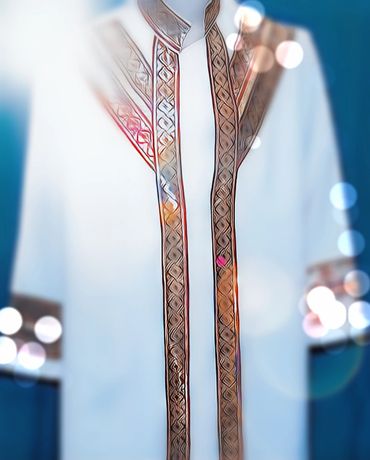
Cennet Elbiseleri – İlahi Zarafetin ve Sonsuz Güzelliğin Yansıması
Cennet… Allah’ın iman eden kulları için hazırladığı, ebedî huzur ve mutluluk yurdudur. Bu eşsiz âlemde sunulan nimetler arasında “cennet elbiseleri” ise zarafetin, ihtişamın ve ilahi ikramın en dikkat çekici sembollerinden biridir.
Kur’an-ı Kerim’de cennet ehlinin giysileri
Cennet Elbiseleri – İlahi Zarafetin ve Sonsuz Güzelliğin Yansıması
Cennet… Allah’ın iman eden kulları için hazırladığı, ebedî huzur ve mutluluk yurdudur. Bu eşsiz âlemde sunulan nimetler arasında “cennet elbiseleri” ise zarafetin, ihtişamın ve ilahi ikramın en dikkat çekici sembollerinden biridir.
Kur’an-ı Kerim’de cennet ehlinin giysileri; ipekten, parlak ve göz alıcı olarak tasvir edilir. Bu elbiseler, yalnızca bir örtü değil; aynı zamanda cennetin kusursuz güzelliğinin ve ilahi rahmetin bir yansımasıdır.
Kur’an’da Cennet Elbiseleri
Kur’an’da cennet ehlinin kıyafetleri açık bir şekilde anlatılır. Ayetlerde, cennettekilerin ince ve kalın ipekten elbiseler giyeceği, altın ve inci gibi değerli süslerle donatılacağı ifade edilir.
Ayrıca bu elbiselerin rengi ve yapısı da dikkat çekicidir. Yeşil tonlarının huzur veren etkisiyle birlikte, ipeğin zarafeti cennet hayatının estetik boyutunu ortaya koyar.
Bu tasvirler, cennet elbiselerinin dünya hayatındaki hiçbir kıyafetle kıyaslanamayacak kadar üstün olduğunu gösterir.
İlahi Zarafet ve Kusursuzluk
Cennet elbiseleri, sadece maddi bir güzellik sunmaz; aynı zamanda ilahi zarafetin bir ifadesidir. Bu elbiseler:
- Kusursuz ve eksiksizdir
- Asla eskimez ve yıpranmaz
- Her zaman en güzel hâliyle varlığını sürdürür
Dünya hayatındaki geçici ve sınırlı kıyafetlerin aksine, cennet elbiseleri ebedîdir ve sürekli bir güzellik sunar.
Ruhsal ve Manevi Anlam
Cennet elbiseleri, sadece dış görünüşü değil; aynı zamanda insanın iç dünyasını da temsil eder. Bu elbiseler:
- Saflığı ve temizliği
- Kalbin arınmışlığını
- İlahi rahmete ulaşmayı
simgeleyen bir anlam taşır.
İslam kaynaklarında, cennet ehlinin bu elbiselerle birlikte hem fiziksel hem de ruhsal olarak mükemmel bir hâle ulaşacağı ifade edilir.
Bu yönüyle cennet elbiseleri, insanın iç ve dış güzelliğinin birleştiği bir semboldür.
Estetik ve Göz Alıcı Tasvir
Cennet elbiseleri; ipeğin yumuşaklığı, altının parlaklığı ve incinin zarafetiyle bütünleşen eşsiz bir estetik sunar. Bu tasvir:
- Göz kamaştırıcı bir ihtişam
- Ruhu dinlendiren bir uyum
- Sonsuz bir güzellik hissi
oluşturur.
Kur’an’da geçen “ince ve kalın ipek” (sündüs ve istebrak) ifadeleri, bu elbiselerin hem zarif hem de görkemli olduğunu ortaya koyar.
Ebedî Mutluluğun Bir Parçası
Cennet elbiseleri, cennet nimetlerinin sadece bir parçasıdır; ancak bu parça bile, ilahi ikramın büyüklüğünü anlamaya yeterlidir. Orada giyilen her elbise:
- İnsanın zevkine hitap eder
- Güzelliği artırır
- Sonsuz mutluluğu tamamlar
Cennette “gözlerin hoşlandığı ve kalplerin arzuladığı her şeyin bulunması”, bu elbiselerin de en mükemmel hâliyle sunulacağını gösterir.
Sonuç: İlahi Güzelliğin Üzerimizdeki Yansıması
Cennet elbiseleri; zarafetin, saflığın ve ilahi ikramın en güzel örneklerinden biridir. Bu elbiseler, sadece bir süs değil; insanın ulaştığı ebedî mutluluğun bir işaretidir.
Her dokunuşunda huzur, her parıltısında ilahi güzellik barındıran cennet elbiseleri; insanı hem estetik hem de manevi anlamda derin bir düşünceye davet eder. Bu nedenle “cennet elbiseleri”, yalnızca bir tasvir değil; sonsuz hayatın zarafetle buluştuğu ilahi bir armağandır.
In the New Testament, paradise is a reality where tears are wiped away, and death and suffering no longer exist.
In the New Testament, paradise is a reality where tears are wiped away, and death and suffering no longer exist.
In the New Testament, paradise is a reality where tears are wiped away, and death and suffering no longer exist.
Garments of Paradise – A Reflection of Divine Grace and Infinite Beauty
Paradise… is the abode of eternal peace and happiness prepared by God for His believing servants. Among the blessings offered in this unique realm, “garments of paradise” are one of the most striking symbols of grace, splendor, and divine bounty.
In the Quran, the garme
Garments of Paradise – A Reflection of Divine Grace and Infinite Beauty
Paradise… is the abode of eternal peace and happiness prepared by God for His believing servants. Among the blessings offered in this unique realm, “garments of paradise” are one of the most striking symbols of grace, splendor, and divine bounty.
In the Quran, the garments of the inhabitants of paradise are described as being made of silk, bright and dazzling. These garments are not merely a covering; they are also a reflection of the flawless beauty of paradise and divine mercy.
Garments of Paradise in the Quran
The Quran clearly describes the clothing of the inhabitants of paradise. The verses state that those in paradise will wear garments of fine and thick silk, and will be adorned with precious ornaments such as gold and pearls.
Furthermore, the color and structure of these garments are also noteworthy. The calming effect of green tones, along with the elegance of silk, reveals the aesthetic dimension of paradise life.
These descriptions show that the garments of paradise are superior to any clothing in earthly life.
Divine Grace and Perfection
The garments of paradise do not only offer material beauty; they are also an expression of divine grace. These garments are:
Flawless and complete
Never wear out or deteriorate
Always maintain their most beautiful form
Unlike the temporary and limited clothing of earthly life, the garments of paradise are eternal and offer continuous beauty.
Spiritual and Moral Meaning
The garments of paradise represent not only the outward appearance but also the inner world of the person. These garments carry a meaning that symbolizes:
Purity and cleanliness
The purification of the heart
Attaining divine mercy
In Islamic sources, it is stated that the inhabitants of paradise will reach a state of perfection, both physically and spiritually, with these garments.
In this respect, the garments of Paradise are a symbol of the fusion of inner and outer beauty.
Aesthetic and Eye-Catching Depiction
The garments of Paradise offer a unique aesthetic, integrated with the softness of silk, the brilliance of gold, and the elegance of pearls. This depiction creates:
A dazzling splendor
A harmony that soothes the soul
A sense of infinite beauty
The expressions "fine and thick silk" (sundus and istebrak) mentioned in the Quran reveal that these garments are both elegant and magnificent.
A Part of Eternal Happiness
The garments of Paradise are only a part of the blessings of Paradise; however, even this part is enough to understand the magnitude of the divine gift. Every garment worn there:
Appeals to human taste
Enhances beauty
Completes eternal happiness
The fact that "everything that pleases the eyes and desires the hearts" is found in Paradise shows that these garments will also be presented in their most perfect form.
Conclusion: The Reflection of Divine Beauty Upon Us
The garments of paradise are one of the finest examples of grace, purity, and divine bounty. These garments are not merely adornments; they are a sign of the eternal happiness attained by humanity.
Containing peace in every touch and divine beauty in every gleam, the garments of paradise invite humanity to deep contemplation, both aesthetically and spiritually. Therefore, "garments of paradise" are not merely a depiction; they are a divine gift where eternal life meets grace.
في العهد الجديد، الجنة حقيقةٌ تُمسح فيها الدموع، ويختفي فيها الموت والمعاناة.
In the New Testament, paradise is a reality where tears are wiped away, and death and suffering no longer exist.
في العهد الجديد، الجنة حقيقةٌ تُمسح فيها الدموع، ويختفي فيها الموت والمعاناة.
ثياب الجنة - انعكاسٌ للرحمة الإلهية والجمال اللامتناهي
الجنة... هي دار السلام الأبدي والسعادة التي أعدها الله لعباده المؤمنين. ومن بين النعم التي تُمنح في هذا العالم الفريد، تُعدّ "ثياب الجنة" من أبرز رموز النعمة والروعة والكرم الإلهي.
في القرآن الكريم، وُصفت ثياب أهل الجنة بأنها مصنوعة من الحرير، زاهية الألوان ومتألقة. هذه الثياب ليست مجرد
ثياب الجنة - انعكاسٌ للرحمة الإلهية والجمال اللامتناهي
الجنة... هي دار السلام الأبدي والسعادة التي أعدها الله لعباده المؤمنين. ومن بين النعم التي تُمنح في هذا العالم الفريد، تُعدّ "ثياب الجنة" من أبرز رموز النعمة والروعة والكرم الإلهي.
في القرآن الكريم، وُصفت ثياب أهل الجنة بأنها مصنوعة من الحرير، زاهية الألوان ومتألقة. هذه الثياب ليست مجرد غطاء، بل هي انعكاسٌ لجمال الجنة الباهر ورحمة الله.
ثياب الجنة في القرآن الكريم
يصف القرآن الكريم بوضوح لباس أهل الجنة. تنص الآيات على أن أهل الجنة سيرتدون ثيابًا من حرير فاخر سميك، وسيتزينون بحليّ ثمينة كالذهب واللؤلؤ.
كما أن لون هذه الثياب وتصميمها جديران بالملاحظة. يُضفي اللون الأخضر الهادئ، إلى جانب أناقة الحرير، بُعدًا جماليًا على حياة الجنة.
تُبين هذه الأوصاف أن ملابس الجنة أسمى من أي لباس في الدنيا.
النعمة الإلهية والكمال
لا تقتصر ملابس الجنة على الجمال المادي فحسب، بل هي أيضًا تعبير عن النعمة الإلهية. فهذه الملابس:
كاملة لا تشوبها شائبة
لا تبلى ولا تتلف
تحافظ دائمًا على أبهى صورها
على عكس ملابس الدنيا الزائلة والمحدودة، فإن ملابس الجنة أبدية تُضفي جمالًا دائمًا.
المعنى الروحي والأخلاقي
لا تُمثل ملابس الجنة المظهر الخارجي فحسب، بل تُمثل أيضًا العالم الداخلي للإنسان. تحمل هذه الملابس معنىً يرمز إلى:
الطهارة والنقاء
تزكية القلب
نيل الرحمة الإلهية
في المصادر الإسلامية، يُذكر أن أهل الجنة سيبلغون حالة من الكمال، جسديًا وروحيًا، بارتدائها.
في هذا السياق، تُعدّ أثواب الجنة رمزًا لاندماج الجمال الداخلي والخارجي.
تصويرٌ جماليٌّ آسر
تُقدّم أثواب الجنة جمالًا فريدًا، يمتزج فيه نعومة الحرير، وبريق الذهب، ورونق اللؤلؤ. هذا التصوير يُضفي:
بهاءً ساحرًا
انسجامًا يُريح النفس
إحساسًا بجمالٍ لا متناهٍ
تُشير عبارات "السندس والإسبراك" المذكورة في القرآن الكريم إلى أن هذه الأثواب أنيقةٌ وفخمةٌ في آنٍ واحد.
جزءٌ من السعادة الأبدية
أثواب الجنة ليست سوى جزءٍ من نعيمها، ولكن حتى هذا الجزء كافٍ لفهم عظمة هذه الهبة الإلهية. فكل ثوبٍ يُلبس هناك:
يُرضي الذوق البشري
يُعزز الجمال
يُكمّل السعادة الأبدية
إن وجود "كل ما يُبهج العين ويُشبع القلب" في الجنة يُشير إلى أن هذه الأثواب ستُعرض أيضًا في أبهى صورها.
الخلاصة: انعكاس الجمال الإلهي علينا
تُعدّ أثواب الجنة من أروع الأمثلة على النعمة والنقاء والكرم الإلهي. هذه الأثواب ليست مجرد زينة، بل هي رمز للسعادة الأبدية التي تنالها البشرية.
تحتوي أثواب الجنة على السلام في كل لمسة والجمال الإلهي في كل بريق، وهي تدعو البشرية إلى التأمل العميق، جماليًا وروحيًا. لذا، فإن "أثواب الجنة" ليست مجرد صورة، بل هي هبة إلهية تلتقي فيها الحياة الأبدية بالنعمة.
Cennet Elbiseleri - Paradise Garments - ملابس بارادايس






Hazreti Kur'an - The Holy Quran - القرآن الكريم
Dışlanmış şeytandan Allah'a sığınırım...Rahman ve Rahim olan Allah'ın adıyla...
I seek refuge in Allah from the accursed Satan... In the name of Allah, the Most Gracious, the Most Merciful...
I seek refuge in Allah from the accursed Satan... In the name of Allah, the Most Gracious, the Most Merciful...
1 . Sarıp-örttüğü zaman geceye andolsun, Ve La İlahe...İl Allah...Hakk Muhammed Nurullah...2 . Parıldayıp-aydınlandığı zaman gündüze, Ve La İlahe...İl Allah...Hakk Muhammed Nurullah...3 . Erkeği ve dişiyi yaratana; Ve La İlahe...İl Allah...Hakk Muhammed Nurullah...4 . Gerçekten sizin çabalarınız (çelişkili, parça parça) darmadağınıktır
1 . Sarıp-örttüğü zaman geceye andolsun, Ve La İlahe...İl Allah...Hakk Muhammed Nurullah...2 . Parıldayıp-aydınlandığı zaman gündüze, Ve La İlahe...İl Allah...Hakk Muhammed Nurullah...3 . Erkeği ve dişiyi yaratana; Ve La İlahe...İl Allah...Hakk Muhammed Nurullah...4 . Gerçekten sizin çabalarınız (çelişkili, parça parça) darmadağınıktır. Ve La İlahe...İl Allah...Hakk Muhammed Nurullah...5 . Fakat kim verir ve korkup-sakınırsa, Ve La İlahe...İl Allah...Hakk Muhammed Nurullah...6 . Ve en güzel olanı doğrularsa, Ve La İlahe...İl Allah...Hakk Muhammed Nurullah...7 . Biz de onu kolay olan için başarılı kılacağız.
Ve La İlahe...İl Allah...Hakk Muhammed Nurullah...8 . Kim de cimrilik eder, kendini müstağni görürse, Ve La İlahe...İl Allah...Hakk Muhammed Nurullah...9 . Ve en güzel olanı yalan sayarsa, Ve La İlahe...İl Allah...Hakk Muhammed Nurullah...10 . Biz de ona en zorlu olanı (azaba uğramasını) kolaylaştıracağız.
Ve La İlahe...İl Allah...Hakk Muhammed Nurullah...11 . Tereddi edeceği (başaşağı düşüşe uğrayacağı) zaman, malı ona hiç yarar sağlamaz.
Ve La İlahe...İl Allah...Hakk Muhammed Nurullah...12 . Şüphesiz, Bize ait olan, yol göstermektir. Ve La İlahe...İl Allah...Hakk Muhammed Nurullah...13 . Gerçekten, son da, ilk de (ahiret ve dünya) Bizimdir. Ve La İlahe...İl Allah...Hakk Muhammed Nurullah...14 . Artık sizi, 'alevleri kabardıkça kabaran' bir ateşle uyardım. Ve La İlahe...İl Allah...Hakk Muhammed Nurullah...15 . Ona, ancak en bedbaht olandan başkası yollanmaz; Ve La İlahe...İl Allah...Hakk Muhammed Nurullah...16 . Ki o, yalanlamış ve yüz çevirmişti. Ve La İlahe...İl Allah...Hakk Muhammed Nurullah...17 . Sakınan ise, ondan uzak tutulacaktır. Ve La İlahe...İl Allah...Hakk Muhammed Nurullah...18 . Ki o, malını vererek temizlenip-arınır. Ve La İlahe...İl Allah...Hakk Muhammed Nurullah...19 . Onun yanında hiç kimsenin karşılığı verilecek bir nimeti (borcu) yoktur. Ve La İlahe...İl Allah...Hakk Muhammed Nurullah...20 . Ancak Yüce Rabbinin rızasını aramak için (verir). Ve La İlahe...İl Allah...Hakk Muhammed Nurullah...21 . Muhakkak kendisi de ileride razı olacaktır. Ve La İlahe...İl Allah...Hakk Muhammed Nurullahu
Allahu Ekber.
I seek refuge in Allah from the accursed Satan... In the name of Allah, the Most Gracious, the Most Merciful...
I seek refuge in Allah from the accursed Satan... In the name of Allah, the Most Gracious, the Most Merciful...
I seek refuge in Allah from the accursed Satan... In the name of Allah, the Most Gracious, the Most Merciful...
1. By the night when it covers, And there is no god but Allah, the Truth, Muhammad is the Light of Allah... 2. By the day when it shines brightly, And there is no god but Allah, the Truth, Muhammad is the Light of Allah... 3. By Him who created the male and the female; And there is no god but Allah, the Truth, Muhammad is the Light of All
1. By the night when it covers, And there is no god but Allah, the Truth, Muhammad is the Light of Allah... 2. By the day when it shines brightly, And there is no god but Allah, the Truth, Muhammad is the Light of Allah... 3. By Him who created the male and the female; And there is no god but Allah, the Truth, Muhammad is the Light of Allah... 4. Indeed, your efforts are scattered (in contradiction and fragmentation). And there is no god but Allah, the Truth, Muhammad is the Light of Allah... 5. But whoever gives and fears Allah, And there is no god but Allah, the Truth, Muhammad is the Light of Allah... 6. And affirms what is best, And there is no god but Allah, the Truth, Muhammad is the Light of Allah... 7. We will make him successful in what is easy.
And there is no god but Allah, the Truth, Muhammad is the Light of Allah... 8. And whoever is stingy and considers himself self-sufficient, and [remembers] "There is no god but Allah, the Truth, Muhammad is the Light of Allah" (9), and denies the best [of deeds], and [remembers] "There is no god but Allah, the Truth, Muhammad is the Light of Allah" (10), We will make easy for him the most difficult [punishment].
And [remember] "There is no god but Allah, the Truth, Muhammad is the Light of Allah" (11), and his wealth will not benefit him at all when he falls (when he is about to fall headlong).
And [remember] "There is no god but Allah, the Truth, Muhammad is the Light of Allah" (12), and indeed, to Us is the guidance. And [remember] "There is no god but Allah, the Truth, Muhammad is the Light of Allah" (13), and indeed, the last and the first [of all things] belong to Us. And [remember] "There is no god but Allah, the Truth, Muhammad is the Light of Allah" (14), and I have warned you of a fire whose flames are blazing fiercely. And there is no god but Allah, the Truth, Muhammad is the Light of Allah...15. And none will be sent to it except the most wretched; And there is no god but Allah, the Truth, Muhammad is the Light of Allah...16. Who has denied and turned away. And there is no god but Allah, the Truth, Muhammad is the Light of Allah...17. But the one who fears will be kept away from it. And there is no god but Allah, the Truth, Muhammad is the Light of Allah...18. Who purifies himself by giving his wealth. And there is no god but Allah, the Truth, Muhammad is the Light of Allah...19. He has no debt to anyone to repay. And there is no god but Allah, the Truth, Muhammad is the Light of Allah...20. He gives only to seek the pleasure of his Lord. And there is no god but Allah, the Truth, Muhammad is the Light of Allah...21. Surely he himself will be pleased in the future. And there is no god but Allah... The Truth is Muhammad, the Light of Allah
Allahu Akbar.
أعوذ بالله من الشيطان الرجيم... بسم الله الرحمن الرحيم...
I seek refuge in Allah from the accursed Satan... In the name of Allah, the Most Gracious, the Most Merciful...
أعوذ بالله من الشيطان الرجيم... بسم الله الرحمن الرحيم...
أعوذ بالله من الشيطان الرجيم... بسم الله الرحمن الرحيم...
1. والليل إذا غطى، ولا إله إلا الله الحق، محمد نور الله... 2. والنهار إذا أشرق، ولا إله إلا الله الحق، محمد نور الله... 3. والذي خلق الذكر والأنثى، ولا إله إلا الله الحق، محمد نور الله... 4. إن جهودكم متناثرة، ولا إله إلا الله الحق، محمد نور الله... 5. ومن آتى واتقى، ولا إله إلا الل
أعوذ بالله من الشيطان الرجيم... بسم الله الرحمن الرحيم...
1. والليل إذا غطى، ولا إله إلا الله الحق، محمد نور الله... 2. والنهار إذا أشرق، ولا إله إلا الله الحق، محمد نور الله... 3. والذي خلق الذكر والأنثى، ولا إله إلا الله الحق، محمد نور الله... 4. إن جهودكم متناثرة، ولا إله إلا الله الحق، محمد نور الله... 5. ومن آتى واتقى، ولا إله إلا الله الحق، محمد نور الله... 6. ومن صدق وحسن، ولا إله إلا الله الحق، محمد نور الله... 7. سنفلحه في التيسير.
ولا إله إلا الله الحق، محمد نور الله... ٨. ومن بخل واغتنى، وقال: «لا إله إلا الله الحق، محمد نور الله» (٩)، وكذّب بالخير، وقال: «لا إله إلا الله الحق، محمد نور الله» (١٠)، فسهّلنا عليه أشدّ العذاب.
و«لا إله إلا الله الحق، محمد نور الله» (١١)، ولن ينفعه ماله شيئًا إذا سقط.
و«لا إله إلا الله الحق، محمد نور الله» (١٢)، وإن لنا الهدى. وتذكروا: «لا إله إلا الله الحق محمد نور الله» (13)، ولنا الآخرة والأولى. وتذكروا: «لا إله إلا الله الحق محمد نور الله» (14)، وقد أنذرتكم بنارٍ لهيبها شديد. ولا إله إلا الله الحق محمد نور الله... 15. ولن يُرسل إليها إلا الأشقى. ولا إله إلا الله الحق محمد نور الله... 16. الذي كفر وأعرض. ولا إله إلا الله الحق محمد نور الله... 17. وسيُبعد عنها من يخاف. ولا إله إلا الله الحق محمد نور الله... 18. الذي يزكي نفسه بإنفاق ماله. ولا إله إلا الله الحق محمد نور الله... 19. ليس عليه دين لأحدٍ يُسدده. ولا إله إلا الله الحق، محمد نور الله... ٢٠. إنما يُعطي ابتغاء مرضاة ربه. ولا إله إلا الله الحق، محمد نور الله... ٢١. إنه لرضا في الآخرة. ولا إله إلا الله... الحق محمد نور الله
الله أكبر.
Kıyamullah - Judgment Day - يوم الحساب
Kıyamullah
Judgment Day
Judgment Day
Hz. Muhammed ve Kıyamet Günü
Kutsal metinlerde kıyamet günü, insanlığın hesap ve şahitlik için Allah’ın huzurunda toplanacağı büyük gün olarak anlatılır. Kur’an’da Hz. Muhammed’in bu günde ümmeti üzerine şahit olacağı açıkça bildirilir: “Peygamber de size bir şahit olsun.” (Bakara 2/143)
Nisâ Suresi 41. ayette ise her ümmetten bir şahit ge
Hz. Muhammed ve Kıyamet Günü
Kutsal metinlerde kıyamet günü, insanlığın hesap ve şahitlik için Allah’ın huzurunda toplanacağı büyük gün olarak anlatılır. Kur’an’da Hz. Muhammed’in bu günde ümmeti üzerine şahit olacağı açıkça bildirilir: “Peygamber de size bir şahit olsun.” (Bakara 2/143)
Nisâ Suresi 41. ayette ise her ümmetten bir şahit getirileceği ve Hz. Muhammed’in de insanlar üzerine şahit kılınacağı ifade edilir. Böylece Son Peygamber’in kıyamet günündeki konumu, yalnızca kendi ümmetiyle değil, peygamberlik mesajının ve insanlığın hesap süreciyle ilişkili bir şahitlik makamı olarak ortaya çıkar.
İslamî kaynaklarda ayrıca Hz. Muhammed’in kıyamet gününde şefaatle ilişkilendirildiği rivayetler bulunmaktadır. Bu anlayışta şefaat, Allah’ın izni ve hükmü çerçevesinde gerçekleşen ilahî bir lütuf olarak değerlendirilir.
Levhi Cennet açısından Hz. Muhammed’in kıyamet günüyle ilişkisi; şahitlik, rehberlik, ümmetine bağlılık ve ilahî rahmete vesile olma kavramları etrafında anlam kazanır. Kıyamet, onun getirdiği mesajın insan hayatındaki karşılığının ortaya çıkacağı; hak ile bâtılın, iyilik ile kötülüğün ve insanın kendi amellerinin sonuçlarıyla yüzleşeceği büyük buluşma günüdür.
Judgment Day
Judgment Day
Judgment Day
### Prophet Muhammad and the Day of Judgment
In sacred texts, the Day of Judgment is described as the great day when humanity will gather before God for accountability and testimony. The Quran explicitly states that Prophet Muhammad will be a witness over his community on this day: **“And let the Messenger be a witness over you.”** (Al-Baq
### Prophet Muhammad and the Day of Judgment
In sacred texts, the Day of Judgment is described as the great day when humanity will gather before God for accountability and testimony. The Quran explicitly states that Prophet Muhammad will be a witness over his community on this day: **“And let the Messenger be a witness over you.”** (Al-Baqara 2:143) ([Diyanet Quran][1])
In Surah An-Nisa, verse 41, it is stated that a witness will be brought from every nation, and Prophet Muhammad will be made a witness over mankind. ([Diyanet Quran][2]) Thus, the position of the Last Prophet on the Day of Judgment emerges not only as a witness related to his own community, but also as a **position of witness** related to the prophetic message and the accounting process of humanity.
Islamic sources also contain narrations associating Prophet Muhammad with intercession on the Day of Judgment. In this understanding, intercession is considered a divine favor that occurs within the framework of Allah's permission and decree. ([Hadith Ihya][3])
**From the perspective of the Tablet of Paradise, the relationship of Prophet Muhammad with the Day of Judgment gains meaning around the concepts of witnessing, guidance, devotion to his community, and being a means of divine mercy. The Day of Judgment is the great meeting day when the consequences of the message he brought will be revealed in human life; the day when truth and falsehood, good and evil, and man will face the results of his own deeds.
[1]: https://kuran.diyanet.gov.tr/tefsir/Bakara-suresi/150/143-ayet-tefsiri?utm_source=chatgpt.com "Commentary on the 143rd Verse of Surah Al-Baqarah - Presidency of Religious Affairs"
[2]: https://kuran.diyanet.gov.tr/tefsir/Nis%C3%A2-suresi/534/41-ayet-tefsiri?utm_source=chatgpt.com "Commentary on the 41st Verse of Surah An-Nisa - Presidency of Religious Affairs"
[3]: https://hadis.ihya.org/buhari/hadisler.html?s=509&utm_source=chatgpt.com "Topics of Sahih Bukhari, page 509 | ihya.org"
يوم الحساب
Judgment Day
يوم الحساب
### النبي محمد ويوم القيامة
في النصوص المقدسة، يُوصف يوم القيامة بأنه اليوم العظيم الذي يجتمع فيه البشر أمام الله للمحاسبة والشهادة. وينص القرآن الكريم صراحةً على أن النبي محمد سيكون شاهدًا على أمته في هذا اليوم: «وَلْيَكُنْ عَلَيْكُمُ الرَّسُولُ شَهِيدًا» (البقرة: 143) (ديانة القرآن [1]).
وفي سورة النساء، الآية 41، يُذكر أنه سيُؤتى بشاهد م
### النبي محمد ويوم القيامة
في النصوص المقدسة، يُوصف يوم القيامة بأنه اليوم العظيم الذي يجتمع فيه البشر أمام الله للمحاسبة والشهادة. وينص القرآن الكريم صراحةً على أن النبي محمد سيكون شاهدًا على أمته في هذا اليوم: «وَلْيَكُنْ عَلَيْكُمُ الرَّسُولُ شَهِيدًا» (البقرة: 143) (ديانة القرآن [1]).
وفي سورة النساء، الآية 41، يُذكر أنه سيُؤتى بشاهد من كل أمة، وسيُجعل النبي محمد شاهدًا على البشرية. (ديانة القرآن [2]). وهكذا، تبرز مكانة النبي الخاتم يوم القيامة ليس فقط كشاهد على أمته، بل أيضًا كشاهد على الرسالة النبوية ومحاسبة البشرية.
كما تتضمن المصادر الإسلامية روايات تربط النبي محمد بالشفاعة يوم القيامة. في هذا الفهم، تُعتبر الشفاعة نعمة إلهية تحدث في إطار إذن الله وقضائه. (حديث إحياء [3])
**من منظور لوح الجنة، تكتسب علاقة النبي محمد صلى الله عليه وسلم بيوم القيامة معنىً من خلال مفاهيم الشهادة والهداية والولاء لأمته، وكونه وسيلةً للرحمة الإلهية. يوم القيامة هو يوم اللقاء العظيم الذي تتجلى فيه عواقب الرسالة التي جاء بها في حياة الإنسان؛ اليوم الذي يواجه فيه الحق والباطل، والخير والشر، ونتائج أعماله.
... [1]: https://kuran.diyanet.gov.tr/tefsir/Bakara-suresi/150/143-ayet-tefsiri?utm_source=chatgpt.com "تفسير الآية 143 من سورة البقرة - رئاسة الشؤون الدينية"
[2]: https://kuran.diyanet.gov.tr/tefsir/Nis%C3%A2-suresi/534/41-ayet-tefsiri?utm_source=chatgpt.com "تفسير الآية 41 من سورة النساء - رئاسة الشؤون الدينية"
[3]: https://hadis.ihya.org/buhari/hadisler.html?s=509&utm_source=chatgpt.com "مواضيع صحيح البخاري، صفحة 509 | ihya.org"
Şehadetullah - Witnessing to God - شهادة الله
Şehadetullah
Witnessing to God
Witnessing to God
Hazreti Muhammed ve Şehadet
Kutsal metinlerde Hazreti Muhammed’in önemli vasıflarından biri şahitlik olarak bildirilir. Kur’an’da, “Biz seni bir şahit, bir müjdeleyici ve bir uyarıcı olarak gönderdik.” buyrularak onun insanlara ulaştırılan ilahî mesaja şahitliği vurgulanır. (Ahzâb 33/45) (Kuran.org)
Bakara 2/143 ve Nisâ 4/41 ayetlerinde ise
Hazreti Muhammed ve Şehadet
Kutsal metinlerde Hazreti Muhammed’in önemli vasıflarından biri şahitlik olarak bildirilir. Kur’an’da, “Biz seni bir şahit, bir müjdeleyici ve bir uyarıcı olarak gönderdik.” buyrularak onun insanlara ulaştırılan ilahî mesaja şahitliği vurgulanır. (Ahzâb 33/45) (Kuran.org)
Bakara 2/143 ve Nisâ 4/41 ayetlerinde ise Resûlullah’ın ümmeti üzerine şahit olacağı, kıyamet gününde peygamberlerin ve insanların yaptıklarının şahitlik makamında değerlendirileceği ifade edilir. (Kur'ân Seferberliği)
Bu anlamıyla Hazreti Muhammed’in şehadeti, yalnızca bir tanıklık değil; ilâhî mesajın insanlığa ulaştırıldığına dair peygamberlik şahitliği olarak anlaşılır. Levhi Cennet açısından şehadet kavramı, Hz. Muhammed’in hakikate davet eden, insanları uyaran ve kıyamet gününde ümmeti hakkında şahitlik edecek Son Peygamber oluşunu ifade eden önemli bir manevi kavramdır.
Witnessing to God
Witnessing to God
Witnessing to God
### Prophet Muhammad and Martyrdom
In sacred texts, one of the important attributes of Prophet Muhammad is described as **witnessing**. In the Quran, it is stated, "We have sent you as a witness, a bearer of good tidings, and a warner," emphasizing his witnessing of the divine message conveyed to humanity. (Ahzab 33/45) ([Kuran.org][1])
In
### Prophet Muhammad and Martyrdom
In sacred texts, one of the important attributes of Prophet Muhammad is described as **witnessing**. In the Quran, it is stated, "We have sent you as a witness, a bearer of good tidings, and a warner," emphasizing his witnessing of the divine message conveyed to humanity. (Ahzab 33/45) ([Kuran.org][1])
In verses 2/143 of Surah Al-Baqarah and 4/41 of Surah An-Nisa, it is stated that the Messenger of Allah will be a witness over his ummah, and that on the Day of Judgment, the deeds of prophets and people will be evaluated in the position of witness. ([Quran Mobilization][2])
In this sense, the martyrdom of Prophet Muhammad is understood not merely as a testimony, but as **prophetic witness to the delivery of the divine message to humanity**. From the perspective of the Tablet of Paradise, the concept of martyrdom is understood as the testimony of Prophet Muhammad. It is an important spiritual concept expressing that Muhammad is the Last Prophet who invites to the truth, warns people, and will bear witness about his community on the Day of Judgment.
[1]: https://kuran.islam-tr.org/ahzab-suresi/41-51/diyanet-isleri?utm_source=chatgpt.com "Ahzab Surah [33:41-51] - Diyanet Affairs - Holy Quran"
[2]: https://www.kuranseferberligi.com/Ayet/2/143?utm_source=chatgpt.com "Quran Mobilization - We are embarking on a Quran Mobilization Together!"
شهادة الله
Witnessing to God
شهادة الله
### النبي محمد والاستشهاد
في النصوص المقدسة، وُصفت إحدى أهم صفات النبي محمد صلى الله عليه وسلم بأنها الشهادة. ففي القرآن الكريم، يقول: "وَأَرْسَلْنَاكَ شَهِيدًا وَبَشِّرًا وَنَذِيرًا"، مؤكدًا بذلك شهادته على الرسالة الإلهية التي بُعثت للبشرية. (الأحزاب 33/45) ([Kuran.org][1])
وفي الآيتين 2/143 من سورة البقرة و4/41 من سورة النساء، ذُكر أن رس
### النبي محمد والاستشهاد
في النصوص المقدسة، وُصفت إحدى أهم صفات النبي محمد صلى الله عليه وسلم بأنها الشهادة. ففي القرآن الكريم، يقول: "وَأَرْسَلْنَاكَ شَهِيدًا وَبَشِّرًا وَنَذِيرًا"، مؤكدًا بذلك شهادته على الرسالة الإلهية التي بُعثت للبشرية. (الأحزاب 33/45) ([Kuran.org][1])
وفي الآيتين 2/143 من سورة البقرة و4/41 من سورة النساء، ذُكر أن رسول الله صلى الله عليه وسلم سيكون شهيدًا على أمته، وأن أعمال الأنبياء والناس ستُحاسب يوم القيامة على أساس الشهادة. ([Quran Mobilization][2])
وبهذا المعنى، يُفهم استشهاد النبي محمد صلى الله عليه وسلم ليس مجرد شهادة، بل هو شهادة نبوية على تبليغ الرسالة الإلهية للبشرية. من منظور لوح الجنة، يُفهم مفهوم الشهادة على أنه شهادة النبي محمد صلى الله عليه وسلم. وهو مفهوم روحي هام يُعبّر عن أن محمدًا هو خاتم الأنبياء الذي يدعو إلى الحق، وينذر الناس، وسيشهد لأمته يوم القيامة.
[1]: https://kuran.islam-tr.org/ahzab-suresi/41-51/diyanet-isleri?utm_source=chatgpt.com "الأحزاب، سورة [33:41-51] - شؤون الديانت - القرآن الكريم"
[2]: https://www.kuranseferberligi.com/Ayet/2/143?utm_source=chatgpt.com "حشد القرآن - ننطلق معًا في حشد القرآن!"
Şefaatullah - Intercession of God - شفاعة الله
Şefaatullah
Intercession of God
Intercession of God
Hazreti Muhammed ve Şefaat
Kutsal metinlerde şefaat, kıyamet gününde Allah’ın iznine ve rızasına bağlı bir rahmet ve aracılık olarak ele alınır. Kur’an’da, “O’nun izni olmadıkça katında hiçbir kimse şefaat edemez.” buyrularak şefaatin mutlak yetkisinin Allah’a ait olduğu bildirilir. (Bakara 2/255)
Tâhâ Suresi 109. ayette de o gün şefaatin
Hazreti Muhammed ve Şefaat
Kutsal metinlerde şefaat, kıyamet gününde Allah’ın iznine ve rızasına bağlı bir rahmet ve aracılık olarak ele alınır. Kur’an’da, “O’nun izni olmadıkça katında hiçbir kimse şefaat edemez.” buyrularak şefaatin mutlak yetkisinin Allah’a ait olduğu bildirilir. (Bakara 2/255)
Tâhâ Suresi 109. ayette de o gün şefaatin ancak Rahmân’ın izin verdiği ve sözünden razı olduğu kimseler için fayda sağlayacağı ifade edilir. (Tâhâ 20/109) İslamî gelenekte Hz. Muhammed’in kıyamet günündeki şefaati de bu ilahî izin ve rahmet çerçevesinde değerlendirilmiştir.
Bu anlamıyla Hazreti Muhammed’in şefaati, Allah’tan bağımsız bir güç değil; Allah’ın izniyle gerçekleşen ilahî rahmetin bir tecellisi olarak anlaşılır. Levhi Cennet açısından şefaat, Son Peygamber Hz. Muhammed’in kıyamet gününde ümmetiyle olan manevi bağını ve Allah’ın rahmetine duyulan ümidi ifade eden önemli bir kavramdır.
Intercession of God
Intercession of God
Intercession of God
### Prophet Muhammad and Intercession
In sacred texts, intercession is considered a mercy and mediation dependent on **God's permission and consent** on the Day of Judgment. The Quran states, "No one can intercede with Him except by His permission," indicating that the absolute authority for intercession belongs to God. (Al-Baqara 2:255)
In
### Prophet Muhammad and Intercession
In sacred texts, intercession is considered a mercy and mediation dependent on **God's permission and consent** on the Day of Judgment. The Quran states, "No one can intercede with Him except by His permission," indicating that the absolute authority for intercession belongs to God. (Al-Baqara 2:255)
In Surah Taha, verse 109, it is stated that on that day, intercession will only benefit **those whom the Most Merciful permits and is pleased with**. (Taha 20:109) In Islamic tradition, the intercession of Prophet Muhammad on the Day of Judgment is also evaluated within the framework of this divine permission and mercy.
In this sense, the intercession of Prophet Muhammad is not understood as a power independent of God; rather, it is understood as **a manifestation of divine mercy that occurs with God's permission**. From the perspective of the Tablet of Paradise, intercession is the intercession of the Last Prophet, Muhammad. It is an important concept expressing the spiritual connection between Muhammad and his community on the Day of Judgment, and the hope in God's mercy.### Prophet Muhammad and Martyrdom
In sacred texts, one of the important attributes of Prophet Muhammad is described as **witnessing**. In the Quran, it is stated, "We have sent you as a witness, a bearer of good tidings, and a warner," emphasizing his witnessing of the divine message conveyed to humanity. (Ahzab 33/45) ([Kuran.org][1])
In verses 2/143 of Surah Al-Baqarah and 4/41 of Surah An-Nisa, it is stated that the Messenger of Allah will be a witness over his ummah, and that on the Day of Judgment, the deeds of prophets and people will be evaluated in the position of witness. ([Quran Mobilization][2])
In this sense, the martyrdom of Prophet Muhammad is understood not merely as a testimony, but as **prophetic witness to the delivery of the divine message to humanity**. From the perspective of the Tablet of Paradise, the concept of martyrdom is understood as the testimony of Prophet Muhammad. It is an important spiritual concept expressing that Muhammad is the Last Prophet who invites to the truth, warns people, and will bear witness about his community on the Day of Judgment.
[1]: https://kuran.islam-tr.org/ahzab-suresi/41-51/diyanet-isleri?utm_source=chatgpt.com "Ahzab Surah [33:41-51] - Diyanet Affairs - Holy Quran"
[2]: https://www.kuranseferberligi.com/Ayet/2/143?utm_source=chatgpt.com "Quran Mobilization - We are embarking on a Quran Mobilization Together!"
شفاعة الله
Intercession of God
شفاعة الله
### النبي محمد والشفاعة
في النصوص المقدسة، تُعتبر الشفاعة رحمةً ووساطةً مشروطةً بإذن الله ورضاه يوم القيامة. يقول القرآن الكريم: "لا يشفع عنده أحد إلا بإذنه"، مما يدل على أن السلطة المطلقة للشفاعة لله وحده. (البقرة: ٢٥٥)
وفي سورة طه، الآية ١٠٩، ورد أن الشفاعة في ذلك اليوم لا تنفع إلا من أذن له الرحمن ورضي عنه. (طه: ١٠٩) وفي التراث الإسلامي،
### النبي محمد والشفاعة
في النصوص المقدسة، تُعتبر الشفاعة رحمةً ووساطةً مشروطةً بإذن الله ورضاه يوم القيامة. يقول القرآن الكريم: "لا يشفع عنده أحد إلا بإذنه"، مما يدل على أن السلطة المطلقة للشفاعة لله وحده. (البقرة: ٢٥٥)
وفي سورة طه، الآية ١٠٩، ورد أن الشفاعة في ذلك اليوم لا تنفع إلا من أذن له الرحمن ورضي عنه. (طه: ١٠٩) وفي التراث الإسلامي، تُقيّم شفاعة النبي محمد يوم القيامة في ضوء هذا الإذن والرحمة الإلهية.
وبهذا المعنى، لا تُفهم شفاعة النبي محمد على أنها قوة مستقلة عن الله، بل تُفهم على أنها مظهر من مظاهر الرحمة الإلهية التي تحدث بإذن الله. من منظور لوح الجنة، فإن الشفاعة هي شفاعة النبي محمد صلى الله عليه وسلم. وهي مفهوم هام يعبر عن الصلة الروحية بين محمد صلى الله عليه وسلم وأمته يوم القيامة، وعن الرجاء في رحمة الله.
Pirivanullah - God's master - سيد الله
Pirivanullah
Pirivanullah
Pirivanullah
Allah’ın Veli Kulları
Allah’ın Veli Kulları
Kur’an’da “Allah’ın dostları” (evliyâullah) olarak anılan veli kullar; iman eden ve takvâ üzere yaşayan kimseler olarak tanımlanır. Yûnus Suresi’nde, “Bilesiniz ki Allah’ın dostlarına korku yoktur; onlar üzülmeyeceklerdir de. Onlar iman etmiş ve Allah’a karşı gelmekten sakınmış olanlardır.” buyrulur. (Yûnus 10/62-63)
Bu ifadeye göre Allah’ın veli kulluğu yalnızca olağanüstü özelliklerle değil, iman, takvâ, Allah’a bağlılık ve güzel bir kulluk hayatıyla ilişkilidir. Kur’an’ın anlatımında onların mükâfatı hem dünya hayatında hem de âhirette ilahî müjdeye kavuşmaktır. (Yûnus 10/64)
Levhi Cennet açısından Allah’ın veli kulları; Allah’a yakınlığı iman ve takvâ ile arayan, hayatını ilahî rızaya göre şekillendiren ve insanlara güzel ahlâkıyla örnek olan kulları ifade eder. Onların gerçek değeri, gösterişli bir makamdan ziyade Allah’a olan samimiyetleri ve kulluklarındaki sadakatleriyle anlam kazanır.
God's master
Pirivanullah
Pirivanullah
### The Beloved Servants of Allah
The beloved servants of Allah, referred to in the Quran as **“friends of Allah” (awliyaullah)**, are defined as those who believe and live in piety. In Surah Yunus, it is stated, **“Know that there will be no fear for the friends of Allah, nor will they grieve. They are those who have believed and have bee
### The Beloved Servants of Allah
The beloved servants of Allah, referred to in the Quran as **“friends of Allah” (awliyaullah)**, are defined as those who believe and live in piety. In Surah Yunus, it is stated, **“Know that there will be no fear for the friends of Allah, nor will they grieve. They are those who have believed and have been mindful of Allah.”** (Yunus 10/62-63)
According to this statement, being a beloved servant of Allah is not only related to extraordinary qualities, but also to **faith, piety, devotion to Allah, and a beautiful life of servitude.** In the Quran's narrative, their reward is to attain divine glad tidings both in this world and in the hereafter. (Yunus 10/64)
From the perspective of the **Tablet of Paradise**, the beloved servants of Allah are: It refers to servants of God who seek closeness to Him through faith and piety, who shape their lives according to divine will, and who set an example for people with their good character. Their true value is not derived from a prestigious position, but rather from **their sincerity to God and their faithfulness in their worship.**
سيد الله
Pirivanullah
سيد الله
### عباد الله المحبوبون
يُعرَّف عباد الله المحبوبون، المشار إليهم في القرآن الكريم بـ "أولياء الله"، بأنهم الذين آمنوا وعاشوا حياةً صالحة. في سورة يونس، يقول الله تعالى: "اعلموا أنه لا خوف على أولياء الله ولا هم يحزنون، أولئك الذين آمنوا وتقوا الله" (يونس ١٠/٦٢-٦٣).
وبناءً على هذا القول، فإن كون المرء عبدًا لله لا يرتبط فقط بالصفات الحميدة،
### عباد الله المحبوبون
يُعرَّف عباد الله المحبوبون، المشار إليهم في القرآن الكريم بـ "أولياء الله"، بأنهم الذين آمنوا وعاشوا حياةً صالحة. في سورة يونس، يقول الله تعالى: "اعلموا أنه لا خوف على أولياء الله ولا هم يحزنون، أولئك الذين آمنوا وتقوا الله" (يونس ١٠/٦٢-٦٣).
وبناءً على هذا القول، فإن كون المرء عبدًا لله لا يرتبط فقط بالصفات الحميدة، بل أيضًا بالإيمان والتقوى والإخلاص لله، وحياة العبودية الصالحة. وفي رواية القرآن، يكون جزاءهم هو البشارة الإلهية في الدنيا والآخرة. (يونس ١٠/٦٤)
من منظور لوح الجنة، فإن عباد الله المحبوبين هم: عباد الله الذين يسعون إلى التقرب إليه بالإيمان والتقوى، والذين يسلكون في حياتهم وفقًا لإرادة الله، والذين يكونون قدوة حسنة للناس بأخلاقهم الحميدة. ولا تكمن قيمتهم الحقيقية في مكانة مرموقة، بل في إخلاصهم لله ووفائهم في عبادته.
Setrullah - God's covering - حماية الله
Setrullah
God's covering
God's covering
Allah’ın Kullarını Himaye Etmesi
Kur’an’da Allah’ın iman eden kullarını veli, yani koruyup gözeten, yardım eden ve onları karanlıklardan aydınlığa çıkaran olarak himaye ettiği bildirilir. Bakara Suresi 257. ayette, “Allah iman edenlerin velîsidir; onları karanlıklardan aydınlığa çıkarır.” buyrulur.
Yûnus Suresi’nde ise Allah’ın dostları iç
Allah’ın Kullarını Himaye Etmesi
Kur’an’da Allah’ın iman eden kullarını veli, yani koruyup gözeten, yardım eden ve onları karanlıklardan aydınlığa çıkaran olarak himaye ettiği bildirilir. Bakara Suresi 257. ayette, “Allah iman edenlerin velîsidir; onları karanlıklardan aydınlığa çıkarır.” buyrulur.
Yûnus Suresi’nde ise Allah’ın dostları için korku ve üzüntü bulunmayacağı, onların iman ve takvâ sahibi kimseler olduğu ifade edilir. Bu anlatım, ilahî himayenin yalnızca maddî bir koruma değil; kulun manevî olarak desteklenmesi, doğru yola yöneltilmesi ve rahmetle kuşatılması anlamlarını da taşıdığını gösterir.
Levhi Cennet açısından Allah’ın kullarını himaye etmesi; kulun karanlıktan nura, korkudan güvene ve uzaklıktan ilahî yakınlığa doğru yönelmesini ifade eden güçlü bir rahmet ve velâyet anlayışıdır.
God's covering
God's covering
God's covering
### God's Protection of His Servants
The Quran states that God protects His believing servants as His **guardian**, meaning He protects, watches over, helps, and leads them from darkness to light. In Surah Al-Baqarah, verse 257, it is said, **"Allah is the Guardian of those who believe; He brings them out of darkness into the light."**
In S
### God's Protection of His Servants
The Quran states that God protects His believing servants as His **guardian**, meaning He protects, watches over, helps, and leads them from darkness to light. In Surah Al-Baqarah, verse 257, it is said, **"Allah is the Guardian of those who believe; He brings them out of darkness into the light."**
In Surah Yunus, it is stated that there will be no fear or sorrow for God's friends, and that they are people of faith and piety. This description shows that divine protection is not only material protection; it also encompasses the **spiritual support, guidance to the right path, and being surrounded by mercy** of the servant.
From the perspective of the **Tablet of Paradise**, God's protection of His servants is a powerful understanding of mercy and guardianship, signifying the servant's journey from darkness to light, from fear to security, and from distance to divine closeness.
حماية الله
God's covering
حماية الله
حماية الله لعباده
يذكر القرآن الكريم أن الله يحمي عباده المؤمنين بصفته ولياً، أي أنه يرعاهم ويحفظهم ويعينهم ويهديهم من الظلمات إلى النور. في سورة البقرة، الآية 257، يقول الله تعالى: «اللَّهُ حَلِيمُ الَّذِينَ آمَنُوا يُخْرِجُهُمْ مِنَ الظلماتِ إِلَى النُّورِ».
وفي سورة يونس، يُذكر أنه لا خوف ولا حزن على أولياء الله، وأنهم أهل إيمان وتقوى. ي
حماية الله لعباده
يذكر القرآن الكريم أن الله يحمي عباده المؤمنين بصفته ولياً، أي أنه يرعاهم ويحفظهم ويعينهم ويهديهم من الظلمات إلى النور. في سورة البقرة، الآية 257، يقول الله تعالى: «اللَّهُ حَلِيمُ الَّذِينَ آمَنُوا يُخْرِجُهُمْ مِنَ الظلماتِ إِلَى النُّورِ».
وفي سورة يونس، يُذكر أنه لا خوف ولا حزن على أولياء الله، وأنهم أهل إيمان وتقوى. يُبين هذا الوصف أن الحماية الإلهية لا تقتصر على الحماية المادية فحسب، بل تشمل أيضاً الدعم الروحي، والهداية إلى الصراط المستقيم، والرحمة الإلهية.
ومن منظور لوح الجنة، تُعدّ حماية الله لعباده فهماً عميقاً للرحمة والوصاية، دلالةً على رحلة العبد من الظلمات إلى النور، ومن الخوف إلى الأمان، ومن البعد إلى القرب من الله.
Hadimullah - Servant of God - خادم الله
Hadimullah
Servant of God
Servant of God
Allah’a Hizmet Etmek
Kur’an’da insanın yaratılış gayesi Allah’a kulluk etmek olarak bildirilir: “Ben cinleri ve insanları ancak bana kulluk etsinler diye yarattım.” (Zâriyât 51/56). Ayetin devamında Allah’ın kullarından rızık istemediği, aksine rızık verenin kendisi olduğu vurgulanır.
Bu anlamda Allah’a hizmet etmek, Allah’ın herhangi bir
Allah’a Hizmet Etmek
Kur’an’da insanın yaratılış gayesi Allah’a kulluk etmek olarak bildirilir: “Ben cinleri ve insanları ancak bana kulluk etsinler diye yarattım.” (Zâriyât 51/56). Ayetin devamında Allah’ın kullarından rızık istemediği, aksine rızık verenin kendisi olduğu vurgulanır.
Bu anlamda Allah’a hizmet etmek, Allah’ın herhangi bir ihtiyacını karşılamak değil; O’na kulluk ederek ilahî buyruklara yönelmek, iyiliği çoğaltmak ve yaratılmışlara karşı sorumluluk bilinciyle yaşamaktır. Allah hiçbir şeye muhtaç olmadığı için kulluğun asıl faydası insana dönmektedir.
Levhi Cennet açısından Allah’a hizmet; insanın yaratılış gayesini fark etmesi, hayatını kulluk ve iyilik üzere şekillendirmesi ve sahip olduğu imkânları Allah’ın rızasına uygun şekilde değerlendirmesi olarak anlamlandırılabilir.
Servant of God
Servant of God
Servant of God
### Serving God
The Quran states that the purpose of human creation is **to worship God**: “I created the jinn and the humans only that they might worship Me” (Zariyat 51/56). The verse continues by emphasizing that God does not demand sustenance from His servants; rather, He Himself is the provider of sustenance.
In this sense, **serving G
### Serving God
The Quran states that the purpose of human creation is **to worship God**: “I created the jinn and the humans only that they might worship Me” (Zariyat 51/56). The verse continues by emphasizing that God does not demand sustenance from His servants; rather, He Himself is the provider of sustenance.
In this sense, **serving God** is not about fulfilling any of God's needs; it is about worshipping Him, obeying divine commands, increasing goodness, and living with a sense of responsibility towards creation. Since God is in need of nothing, the true benefit of worship returns to humanity.
From the perspective of the **Tablet of Paradise**, serving God can be understood as a person realizing the purpose of their creation, shaping their life around worship and goodness, and utilizing their resources in a way that pleases God.
خادم الله
Servant of God
خادم الله
### عبادة الله
يذكر القرآن الكريم أن الغاية من خلق الإنسان هي عبادة الله: "إنما خلقت الجن والإنس ليعبدوني" (الزاريات ٥١/٥٦). وتؤكد الآية أن الله لا يطلب الرزق من عباده، بل هو الرزاق.
وبهذا المعنى، فإن عبادة الله لا تعني تلبية أي حاجة له، بل هي عبادته، وطاعة أوامره، وزيادة الخير، والعيش بمسؤولية تجاه خلقه. ولأن الله غني عن كل شيء، فإن ثواب ا
### عبادة الله
يذكر القرآن الكريم أن الغاية من خلق الإنسان هي عبادة الله: "إنما خلقت الجن والإنس ليعبدوني" (الزاريات ٥١/٥٦). وتؤكد الآية أن الله لا يطلب الرزق من عباده، بل هو الرزاق.
وبهذا المعنى، فإن عبادة الله لا تعني تلبية أي حاجة له، بل هي عبادته، وطاعة أوامره، وزيادة الخير، والعيش بمسؤولية تجاه خلقه. ولأن الله غني عن كل شيء، فإن ثواب العبادة يعود إلى البشرية.
ومن منظور لوح الجنة، يمكن فهم عبادة الله على أنها إدراك الإنسان لغاية خلقه، وتشكيل حياته حول العبادة والخير، واستخدام موارده بما يرضي الله.
Tevafullah - God's obedience - طواف الله
Tevafullah
God's obedience
God's obedience
Kâbe’yi Tavaf Etmek
Kâbe’yi tavaf etmek, hac ve umre ibadetlerinin en önemli unsurlarından biri olup Beytullah’ın çevresinde usulüne uygun şekilde dönerek Allah’a kulluğu ifade etmektir. Kur’an’da Hz. İbrahim ve Hz. İsmail’e, Kâbe’yi “tavaf edenler, ibadete kapananlar, rükû ve secde edenler” için temiz tutmaları emredilir. (Bakara 2/125)
H
Kâbe’yi Tavaf Etmek
Kâbe’yi tavaf etmek, hac ve umre ibadetlerinin en önemli unsurlarından biri olup Beytullah’ın çevresinde usulüne uygun şekilde dönerek Allah’a kulluğu ifade etmektir. Kur’an’da Hz. İbrahim ve Hz. İsmail’e, Kâbe’yi “tavaf edenler, ibadete kapananlar, rükû ve secde edenler” için temiz tutmaları emredilir. (Bakara 2/125)
Hac Suresi’nde ise müminlere, “Beyt-i Atîk’i (Kâbe’yi) tavaf etsinler” buyurulur. (Hac 22/29) Böylece tavaf, insanın kendi merkezinden uzaklaşıp Allah’ın belirlediği kutsal merkeze yönelmesini ve kulluğunu sembolik bir hareketle ifade etmesini temsil eder.
Levhi Cennet açısından Kâbe’yi tavaf etmek; farklı milletlerden ve coğrafyalardan insanların aynı merkez etrafında birleşmesini, Allah’ın birliğine yönelmeyi ve kullukta ortak bir istikamette buluşmayı ifade eden güçlü bir ibadettir. Tavafın dairesel hareketi, insanın hayatındaki her yönelişin nihayetinde Allah’a yönelme ve O’nun rızasını arama düşüncesiyle anlam kazanmasına vesile olur.
God's obedience
God's obedience
God's obedience
### Circumambulating the Kaaba
**Circumambulating the Kaaba** is one of the most important elements of Hajj and Umrah pilgrimages, expressing devotion to Allah by circling the House of Allah in the prescribed manner. In the Quran, Prophet Abraham and Prophet Ishmael are commanded to keep the Kaaba pure for **"those who circumambulate, thos
### Circumambulating the Kaaba
**Circumambulating the Kaaba** is one of the most important elements of Hajj and Umrah pilgrimages, expressing devotion to Allah by circling the House of Allah in the prescribed manner. In the Quran, Prophet Abraham and Prophet Ishmael are commanded to keep the Kaaba pure for **"those who circumambulate, those who prostrate in worship, and those who bow and prostrate"** (Al-Baqara 2:125).
In the Hajj Surah, believers are commanded to **"circumambulate the Ancient House (the Kaaba)"** (Al-Hajj 22:29). Thus, circumambulation represents a person moving away from their own center and turning towards the sacred center designated by Allah, expressing their devotion through a symbolic act.
From the perspective of the **Tablet of Paradise**, circumambulating the Kaaba; Tawaf is a powerful act of worship that brings together people from different nations and geographies around a single center, signifying their turning towards the oneness of God and finding common ground in worship. The circular movement of Tawaf helps every aspect of one's life to gain meaning through the thought that ultimately **turning towards God and seeking His pleasure**.
طواف الله
God's obedience
طواف الله
### الطواف حول الكعبة
يُعدّ الطواف حول الكعبة من أهمّ أركان الحجّ والعمرة، وهو تعبير عن التعبد لله تعالى بالطواف حول بيت الله الحرام بالطريقة المحددة. في القرآن الكريم، أُمر النبي إبراهيم والنبي إسماعيل بتطهير الكعبة لله تعالى، "للطّاحين والساجدين والراكعين" (البقرة: 125).
وفي سورة الحج، أُمر المؤمنون بالطواف حول البيت العتيق (الكعبة) (الحج
### الطواف حول الكعبة
يُعدّ الطواف حول الكعبة من أهمّ أركان الحجّ والعمرة، وهو تعبير عن التعبد لله تعالى بالطواف حول بيت الله الحرام بالطريقة المحددة. في القرآن الكريم، أُمر النبي إبراهيم والنبي إسماعيل بتطهير الكعبة لله تعالى، "للطّاحين والساجدين والراكعين" (البقرة: 125).
وفي سورة الحج، أُمر المؤمنون بالطواف حول البيت العتيق (الكعبة) (الحج: 29). وهكذا، يُمثّل الطواف ابتعادًا عن مركز الذات وتوجّهًا نحو المركز المقدس الذي خصّصه الله، تعبيرًا عن التعبد من خلال هذا الفعل الرمزي.
ومن منظور لوح الجنة، يُعدّ الطواف حول الكعبة: الطواف عبادة عظيمة تجمع الناس من مختلف الأمم والمناطق حول مركز واحد، دلالةً على توجههم نحو وحدانية الله وإيجاد أرضية مشتركة في العبادة. وتساهم حركة الطواف الدائرية في إضفاء معنى على جميع جوانب حياة الإنسان من خلال فكرة أن الغاية النهائية هي التوجه إلى الله وطلب رضاه.
Halefullah - God's vicegerent - حليف الله
Halefullah
God's vicegerent
God's vicegerent
İnsanın Allah’ın Halifesi Olması
Kur’an’da insanın yeryüzündeki özel konumu halifelik kavramıyla anlatılır. Bakara Suresi 30. ayette Allah’ın meleklere, “Ben yeryüzünde bir halife yaratacağım.” buyurduğu bildirilir. Bu ifade, insanın yeryüzünde sorumluluk, irade, bilgi ve emanet taşıyan bir varlık olarak yaratılışına işaret eder.
Kur’an’da
İnsanın Allah’ın Halifesi Olması
Kur’an’da insanın yeryüzündeki özel konumu halifelik kavramıyla anlatılır. Bakara Suresi 30. ayette Allah’ın meleklere, “Ben yeryüzünde bir halife yaratacağım.” buyurduğu bildirilir. Bu ifade, insanın yeryüzünde sorumluluk, irade, bilgi ve emanet taşıyan bir varlık olarak yaratılışına işaret eder.
Kur’an’da ayrıca insanlara yeryüzünde halifelik verildiği ve bunun bir imtihan olduğu belirtilir. (En‘âm 6/165) Bu halifelik, Allah’ın yerine geçmek veya O’nun ilâhî sıfatlarını taşımak anlamında değil; Allah’ın mülkü olan yeryüzünde O’nun iradesine uygun yaşamak, adaleti gözetmek ve emaneti korumak anlamında anlaşılır. Diyanet tefsirinde de insanın halifeliğinin sınırlı olduğu ve Allah’ın iradesi doğrultusunda hareket etme sorumluluğu taşıdığı açıklanır.
Sâd Suresi 26. ayette Hz. Dâvûd’a “Biz seni yeryüzünde halife yaptık; insanlar arasında adaletle hükmet.” buyrulması da halifeliğin önemli bir boyutunun adalet ve sorumluluk olduğunu gösterir.
Levhi Cennet açısından insanın halifeliği; yeryüzünü imar etmek, emaneti korumak, adaletten ayrılmamak ve yaratılmışlara karşı sorumluluk bilinciyle yaşamak şeklinde anlamlandırılabilir. İnsan, halifelik makamıyla yüceltilirken aynı zamanda bu makamın gerektirdiği emanet, kulluk ve hesap sorumluluğunu da üstlenmektedir.
God's vicegerent
God's vicegerent
God's vicegerent
### Man's Role as God's Vicegerent
In the Quran, man's special position on earth is described with the concept of **vicegerency**. In Surah Al-Baqarah, verse 30, it is stated that God said to the angels, **"I will create a vicegerent on earth."** This statement points to man's creation as a being with responsibility, free will, knowledge,
### Man's Role as God's Vicegerent
In the Quran, man's special position on earth is described with the concept of **vicegerency**. In Surah Al-Baqarah, verse 30, it is stated that God said to the angels, **"I will create a vicegerent on earth."** This statement points to man's creation as a being with responsibility, free will, knowledge, and trust on earth.
The Quran also states that humans are given vicegerency on earth and that this is a test (Al-An'am 6/165). This vicegerency is not understood as replacing God or carrying His divine attributes; rather, it is understood as **living in accordance with God's will on earth, which is God's property, upholding justice, and protecting the trust.** The Diyanet commentary also explains that man's vicegerency is limited and that he carries the responsibility of acting in accordance with God's will.
In Surah Sad, verse 26, Prophet Muhammad (peace be upon him)... The verse **"We have made you a vicegerent on earth; judge justly among people"** given to David also shows that **justice and responsibility** are important dimensions of vicegerency.
From the perspective of the **Tablet of Paradise**, human vicegerency can be understood as developing the earth, protecting the trust, not deviating from justice, and living with a sense of responsibility towards creation. While humans are elevated by the position of vicegerency, they also undertake the **trust, servitude, and accountability** that this position requires.
حليف الله
God's vicegerent
حليف الله
### دور الإنسان كخليفة لله
في القرآن الكريم، يُوصف وضع الإنسان الخاص على الأرض بمفهوم **الخلافة**. في سورة البقرة، الآية 30، يقول الله تعالى للملائكة: **إني لأخلق في الأرض خليفة.** يشير هذا القول إلى خلق الإنسان كائناً مسؤولاً، حر الإرادة، عالماً، وأميناً على الأرض.
كما يذكر القرآن الكريم أن الإنسان مُنح الخلافة على الأرض، وأن هذا ابتلاء (ا
### دور الإنسان كخليفة لله
في القرآن الكريم، يُوصف وضع الإنسان الخاص على الأرض بمفهوم **الخلافة**. في سورة البقرة، الآية 30، يقول الله تعالى للملائكة: **إني لأخلق في الأرض خليفة.** يشير هذا القول إلى خلق الإنسان كائناً مسؤولاً، حر الإرادة، عالماً، وأميناً على الأرض.
كما يذكر القرآن الكريم أن الإنسان مُنح الخلافة على الأرض، وأن هذا ابتلاء (الأنعام 6/165). ولا تُفهم هذه الخلافة على أنها استبدال لله أو حمل صفاته الإلهية، بل تُفهم على أنها **العيش وفقاً لإرادة الله على الأرض، التي هي ملك الله، وإقامة العدل، وحماية الأمانة.** ويوضح تفسير ديانت أيضاً أن خلافة الإنسان محدودة، وأنه يتحمل مسؤولية العمل وفقاً لإرادة الله.
في سورة ص، الآية ٢٦، يقول النبي محمد صلى الله عليه وسلم: «وَجَعَلْنَاكَ خَلَاصًا فِي الْأَرْضِ فَاحْدِلْ فِي النَّاسِ بِالْقَسْطِ» التي أُنزلت على داود، تُبين أن العدل والمسؤولية بُعدان أساسيان للخلافة.
ومن منظور لوح الجنة، يُمكن فهم الخلافة البشرية على أنها تنمية الأرض، وحماية الأمانة، والالتزام بالعدل، والعيش بمسؤولية تجاه الخليقة. فبينما يرتقي الإنسان بمنصب الخلافة، فإنه يتحمل أيضًا الأمانة والعبودية والمسؤولية التي يتطلبها هذا المنصب.

Levh-i Cennet'e Hoş Geldiniz
Levh-i Cennet, kadim bilgeliği 21. yüzyılın okuma, yazma ve düşünme biçimiyle buluşturan bir içerik platformudur. Burada sadece bilgiye değil, anlamın izine çıkılır.
Welcome to the Tablet of Paradise
Levh-i Cennet is a content platform that blends ancient wisdom with 21st-century ways of reading, writing, and thinking. Here, the focus is not just on acquiring knowledge, but on tracing the path of meaning.
أهلاً بكم في لوح الجنة
"ليفه جنيت" منصة محتوى تمزج بين الحكمة القديمة وأساليب القراءة والكتابة والتفكير المعاصرة. هنا، لا يقتصر التركيز على اكتساب المعرفة فحسب، بل على تتبع مسار المعنى.